Foreign-style packaging and Burmese labels mislead tourists, while imports from Myanmar have largely stopped
Buying Burmese pickles before leaving Cox’s Bazar has become an unwritten tradition for many tourists visiting the coastal town. But many visitors are unaware that most of the products sold as ‘Burmese pickles’ are made outside Myanmar.
Not only pickles but also other products are widely marketed as Burmese, although many are produced in factories in Dhaka or in small local establishments in Cox’s Bazar.
Tourists generally assume that they are buying traditional pickles imported from Myanmar. However, much of what is sold in the town under the Burmese label is locally produced.
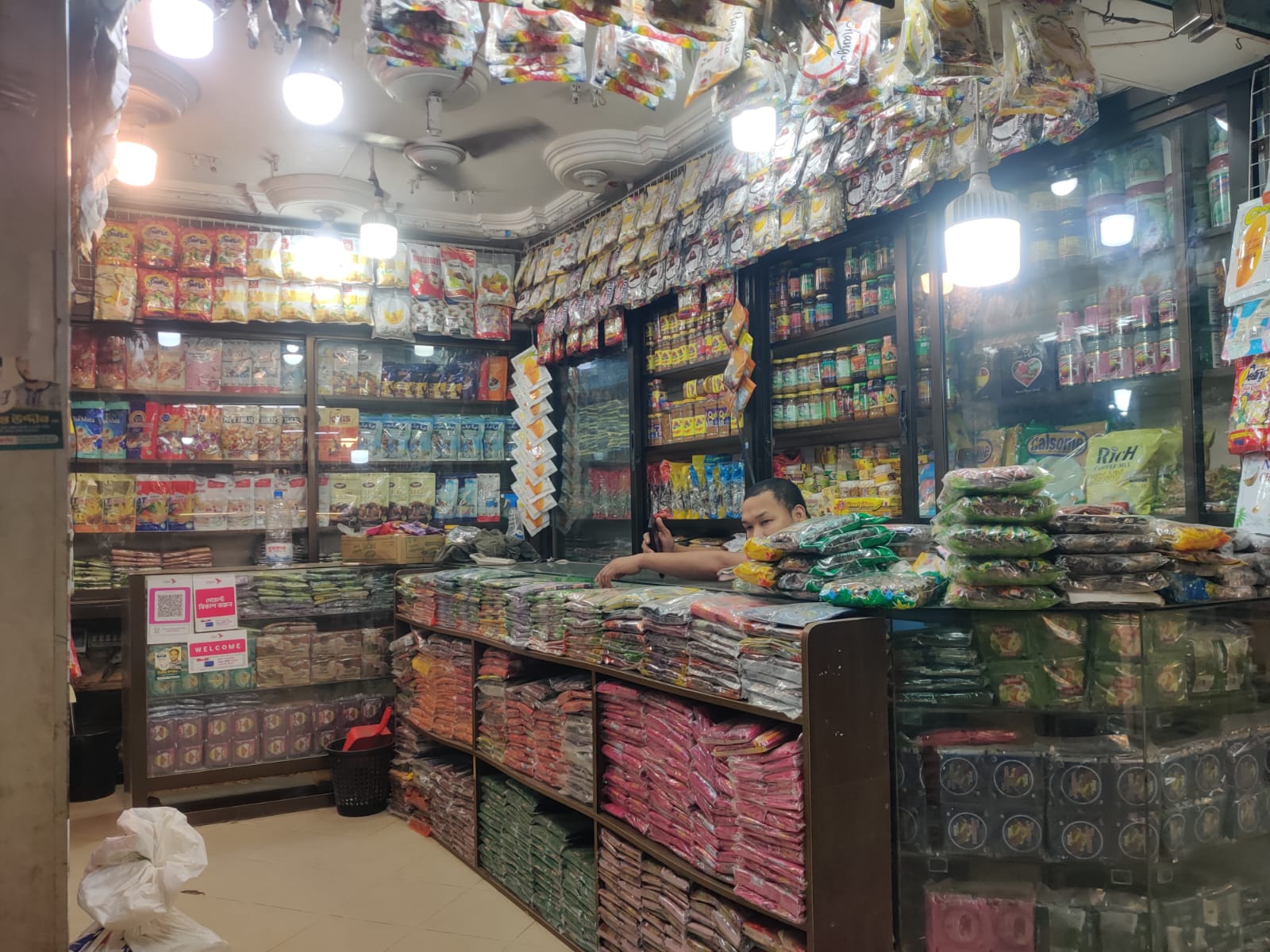
A visit to the Sugandha, Laboni and Kolatoli beach areas and several Burmese markets in the town found rows of shops displaying different varieties of pickles, including chilli, tamarind, olive and jujube pickles, alongside other food products.
Many packages carry Burmese-language writing, addresses in Myanmar or the label ‘Made in Myanmar’, leading buyers to believe that the products are imported.
An investigation found that legal trade between Bangladesh and Myanmar has remained largely stalled for a long time. Conflict in Rakhine State, deteriorating border conditions, and restricted operations at Teknaf land port have virtually halted imports of pickles from Myanmar. As a result, most of the so-called Burmese pickles available in the market are now produced locally.
U Chin Chakma, a trader in the town’s Burmese market area, said very few Burmese products now came from Myanmar, and those available were almost twice as expensive.
‘The Burmese pickles, sandalwood and other products that used to arrive 10 to 12 years ago are now rarely available. We have to meet tourists’ demand with locally made products,’ he said.
Another trader, Didar, said goods no longer arrived through Teknaf port because of the conflict in Rakhine State. Only small quantities entered the country by cargo aircraft, making imported Burmese products more expensive.
‘Tourists are somewhat unhappy about the higher prices. So we have to depend on products made locally and in Dhaka. Even five years ago, we could get genuine Burmese products, but now we have to run our businesses with Bangladeshi products,’ he said.
Arfin Mia, a trader in the Sugandha area, said locally made pickles were sold to meet tourist demand, as such products had not been arriving legally from Myanmar for a long time. A small quantity entered through unofficial channels, but those products were relatively expensive, he added.
Ashab Uddin, a wholesale trader in the town’s Burmese market area, said nearly half of the pickles sold in Cox’s Bazar were made at factories in Mirpur and Keraniganj in Dhaka.
The products are marketed under various brand names, including Haiko and Number One, while a significant portion is also produced in the Lighthouse and Larpada areas of Cox’s Bazar, he said.
Tourist Shahabul Alam, who came from Dhaka, said he had bought several varieties of pickles for his family and relatives, believing they were made in Myanmar.
‘Whenever we visit Cox’s Bazar, we feel like buying Burmese pickles. The Burmese writing and foreign-style packaging made us think these were products from Myanmar. We did not know they were made in Bangladesh. Selling them without disclosing their actual origin deceives consumers,’ he said.
Mahjaina Enayet, another tourist from Narsingdi, said she had visited the market specifically to buy Burmese pickles but could not distinguish between products made in Myanmar and those produced in Bangladesh.
‘We bought several packets without knowing which were from Myanmar and which were made in Bangladesh. The foreign addresses and Burmese writing on the packages made us believe they were genuine. The authorities should increase monitoring to stop tourists from being deceived in this way,’ she said.
Traders said a long-standing association between Cox’s Bazar and Burmese pickles had created steady demand among visitors from different parts of the country. For many tourists, taking home Burmese pickles remains part of a visit to the beach town.
Mostafa Mia, a trader in the Burmese market, said many visitors to Cox’s Bazar bought Burmese pickles.
Anwarul Islam, vice-president of the Cox’s Bazar Chamber of Commerce and Industry, said more than 400 shops in the district sold pickles worth several crore taka every month.
Although products no longer arrive legally from Myanmar, traders continue to use the long-established Burmese identity to market the goods, he said.
Md Hasan Al Maruf, assistant director of the Cox’s Bazar office of the Directorate of National Consumer Rights Protection, said most pickles sold in the market were locally produced.
Selling products as foreign goods without clearly disclosing their actual origin and production information violates consumer rights, he said.
By Tarekur Rahman
Photo: Tarekur Rahman