
The flood situation in Cox’s Bazar has improved significantly as floodwaters have receded from most affected areas, leaving all evacuation centres vacant, according to the district administration.
Only a few low-lying areas in Chakaria, Pekua and Matamuhuri upazilas continue to bear the aftermath of the flooding, but no families remain stranded by water. With rainfall easing and upstream runoff declining, water levels in the district’s major rivers, including the Matamuhuri, Naf and Bakkhali, have fallen below danger level.
According to the latest report from the District Relief and Rehabilitation Office, around 211,000 people across the district’s 10 upazilas and four municipalities were affected by the recent floods triggered by torrential rain and hill runoff.
The disaster claimed 32 lives, including 19 local residents and 13 Rohingya refugees living in camps. Twenty-five people were injured, of whom 20 were locals and five were Rohingya, while one person remains missing.
Government estimates show that 10,546 houses were partially damaged and 732 were completely destroyed.
The floods and landslides also caused extensive damage to transport infrastructure, agriculture, embankments and fisheries, with preliminary government estimates putting losses in these four sectors at more than Tk 450 crore.
The Local Government Engineering Department (LGED) reported that about 294 kilometres of roads and 55 bridges and culverts, with a combined length of 649 metres, were severely damaged. Repair costs for transport infrastructure alone are estimated at about Tk 278.5 crore.
The Department of Agricultural Extension said that around 4,211 hectares of farmland were inundated, with crops on about 3,000 hectares completely destroyed, causing estimated losses exceeding Tk 80 crore.
The Bangladesh Water Development Board (BWDB) said that flood control embankments at 44 locations along the Bakkhali and Matamuhuri rivers were damaged after water levels exceeded danger marks.
According to the District Fisheries Office, the fisheries sector suffered losses of about Tk 46.22 crore after floodwaters washed away fish stocks from 3,918 ponds and 453 shrimp farms covering around 2,440 hectares.
The district administration has continued relief operations since the onset of the disaster. So far, Tk 4.98 million in cash assistance and 450 tonnes of rice have been distributed across the affected upazilas and municipalities, alongside dry food and other emergency relief materials.
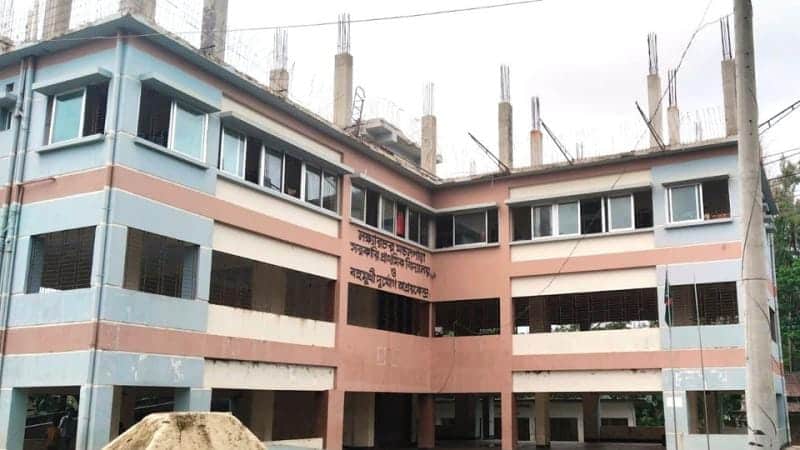
A total of 640 evacuation centres had been prepared across the district, of which 88 were used during the emergency.
Officials said that all shelters are now empty as displaced residents have returned to their homes.
Damage assessment and preparation of official loss assessment forms are underway to facilitate long-term rehabilitation. The district administration said the government has taken initiatives for sustainable rehabilitation to help affected families resume normal life.
The administration currently has Tk 1.02 million in emergency funds and 300 tonnes of rice in reserve. It also has 1,077 bundles of corrugated roofing sheets, Tk 3 million allocated for housing reconstruction, Tk 400,000 for children’s food, Tk 1 million for livestock feed and 5,800 blankets in stock for emergency response.
Authorities said relief and rehabilitation activities would continue until the situation fully normalises.
During the disaster, members of the Bangladesh Army, Bangladesh Air Force, Border Guard Bangladesh, NGOs, volunteer organisations and political activists joined local authorities in rescue and relief operations.
Meanwhile, under the direction of the district administration, the District Information Office has continued public awareness campaigns and loudspeaker announcements in affected areas to help prevent waterborne diseases and minimise post-flood health risks.
Cox’s Bazar Life Report
Photo: Courtesy