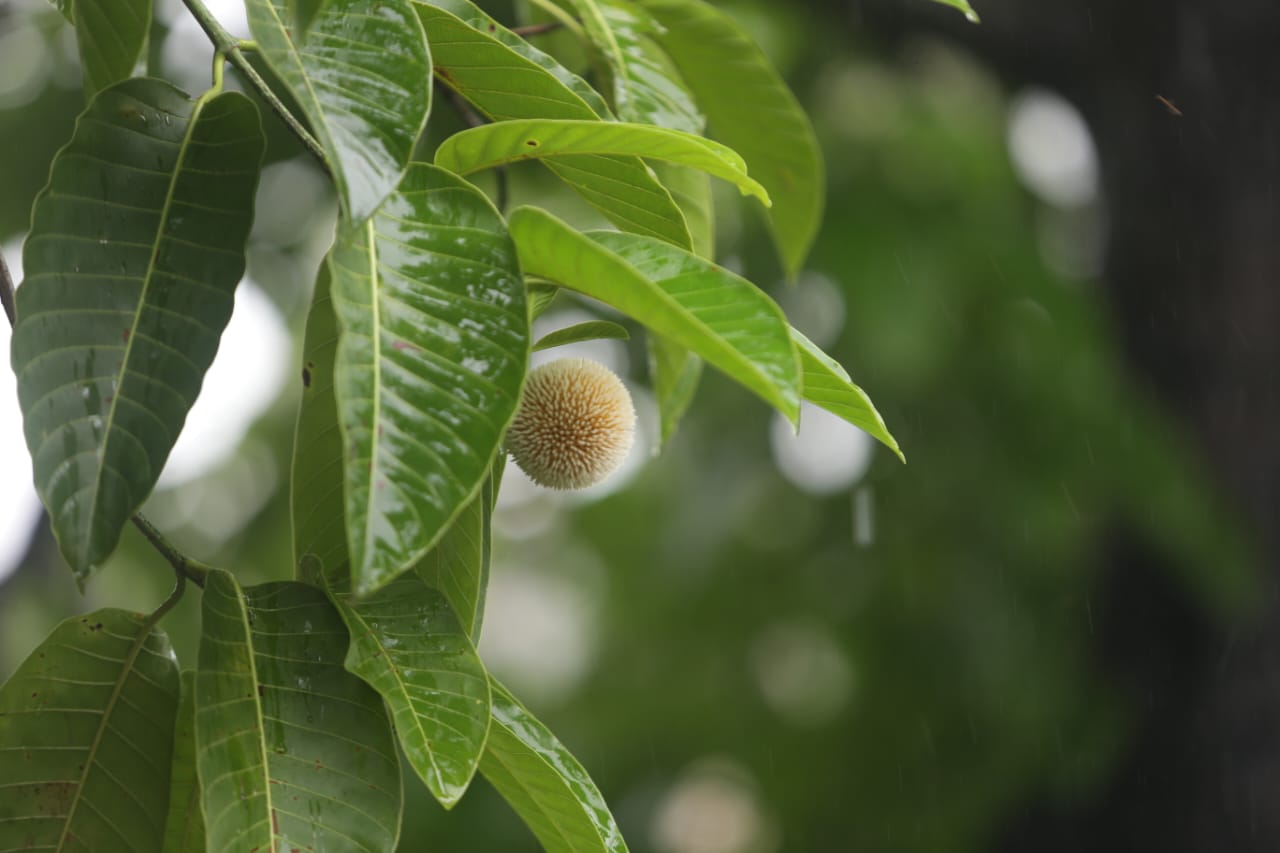
The arrival of the monsoon has transformed the landscape across Cox’s Bazar, with blooming kadam flowers adding a distinctive charm to the season.
Dark clouds, intermittent downpours, the scent of rain-soaked earth and lush greenery have combined to create a picturesque setting, while the yellowish-white spherical blossoms of the kadam tree have become one of the most recognisable signs of the rainy season.
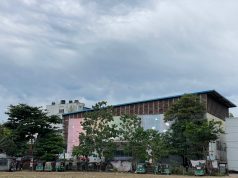
Kadam trees are now in bloom along roadsides, in village homesteads, on school grounds and in other green spaces across the district.
Their rain-washed flowers have drawn nature lovers and photography enthusiasts eager to capture the seasonal spectacle.
The blossoms appear even more striking after rainfall, standing out against deep green foliage. Their subtle fragrance, combined with the cool, damp atmosphere of the monsoon, creates a tranquil natural setting.
Beyond its beaches, Marine Drive and surrounding hills, Cox’s Bazar’s seasonal beauty is also reflected in the flowering trees scattered across its urban and rural landscapes, offering residents another reason to appreciate the district during the rainy season.
The kadam flower also holds a special place in Bengali culture. For generations, it has featured prominently in Bengali literature, songs and poetry as a symbol of the monsoon, evoking memories of rural life, childhood and the nostalgia associated with the rainy season.
As dark clouds gather over Cox’s Bazar and rain drenches the landscape, the blooming kadam trees quietly announce the arrival of the monsoon, adding another layer of beauty to the district’s natural scenery.
By Abdu Rashid Manik
Photo: Hussain Shetu