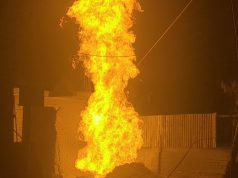
Three fires in less than a month have exposed serious weaknesses in fire safety across Cox’s Bazar. On October 17, a devastating blaze at TupTup Resort in Inani claimed at least ten lives, including women and children. Another fire broke out at Hotel Sea Princess near Sugandha Point on October 23. On November 10, a fire in Kalatali’s Saikat Para destroyed 19 rented rooms and four shops. The tragedy in Inani underscores the devastating human cost of inadequate safety measures. Protecting lives must remain the overriding priority; no economic consideration can diminish that responsibility.
Yet how safety reforms are implemented matters. Cox’s Bazar’s tourism industry represents years of investment, enterprise and hard work, supporting thousands of livelihoods. Abrupt closures over deficiencies that could reasonably be corrected, without adequate time or assistance, would disrupt accommodation services and affect employees, suppliers, transport operators and small businesses. Protecting lives and preserving economic stability should not be competing objectives.
Every establishment must meet fire safety requirements. However, the entire burden of reform cannot reasonably fall on operators without examining regulatory oversight. Paying taxes or holding a trade licence does not constitute fire safety clearance. Weak supervision does not absolve businesses of responsibility, just as failures by individual establishments do not excuse shortcomings in public oversight.
The resort in Inani had reportedly received a formal safety warning months before the tragedy. But issuing a warning cannot mark the end of regulatory responsibility. An independent investigation should establish what corrective measures followed and how effectively authorities monitored compliance. This newspaper has previously raised concerns about fire safety shortcomings across the tourism zone.
Cox’s Bazar needs a transparent, consistent and time-bound fire safety compliance framework. Authorities and industry representatives should establish clear, publicly available standards. Risk assessments must identify deficiencies in writing, followed by realistic deadlines, technical assistance and staff training. Subsequent inspections should verify progress, with proportionate legal action where necessary and lawful opportunities for review.
Licensing and approval procedures must also be simplified. Instead of navigating multiple government offices, operators should have access to a coordinated one-stop service covering applications, inspections, approvals and renewals. Each agency would retain its statutory responsibilities while ensuring a transparent, accessible and time-bound process.
Immediate intervention remains essential wherever there is a serious and imminent threat to life. Meanwhile, public investment must strengthen firefighting capacity, water supplies, hydrants and emergency response infrastructure, particularly around Inani and Marine Drive. Lasting safety cannot be achieved through regulation alone while public infrastructure remains inadequate.
Safety reforms should strengthen, not destabilise, Cox’s Bazar’s tourism industry. Accountable authorities, responsible businesses and protection of livelihoods must form the foundation of a safer, more resilient tourism destination.