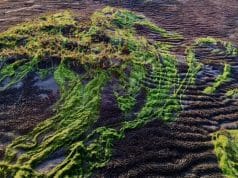

Each winter, Sonadia Island off Cox’s Bazar becomes a refuge for birds travelling thousands of kilometres along the East Asian–Australasian Flyway. Its tidal mudflats, mangroves and sandy shores provide vital feeding and resting grounds for migratory shorebirds. Covering roughly nine square kilometres, Sonadia is recognised as an Important Bird Area. Yet this internationally significant habitat faces mounting pressure from human activity.
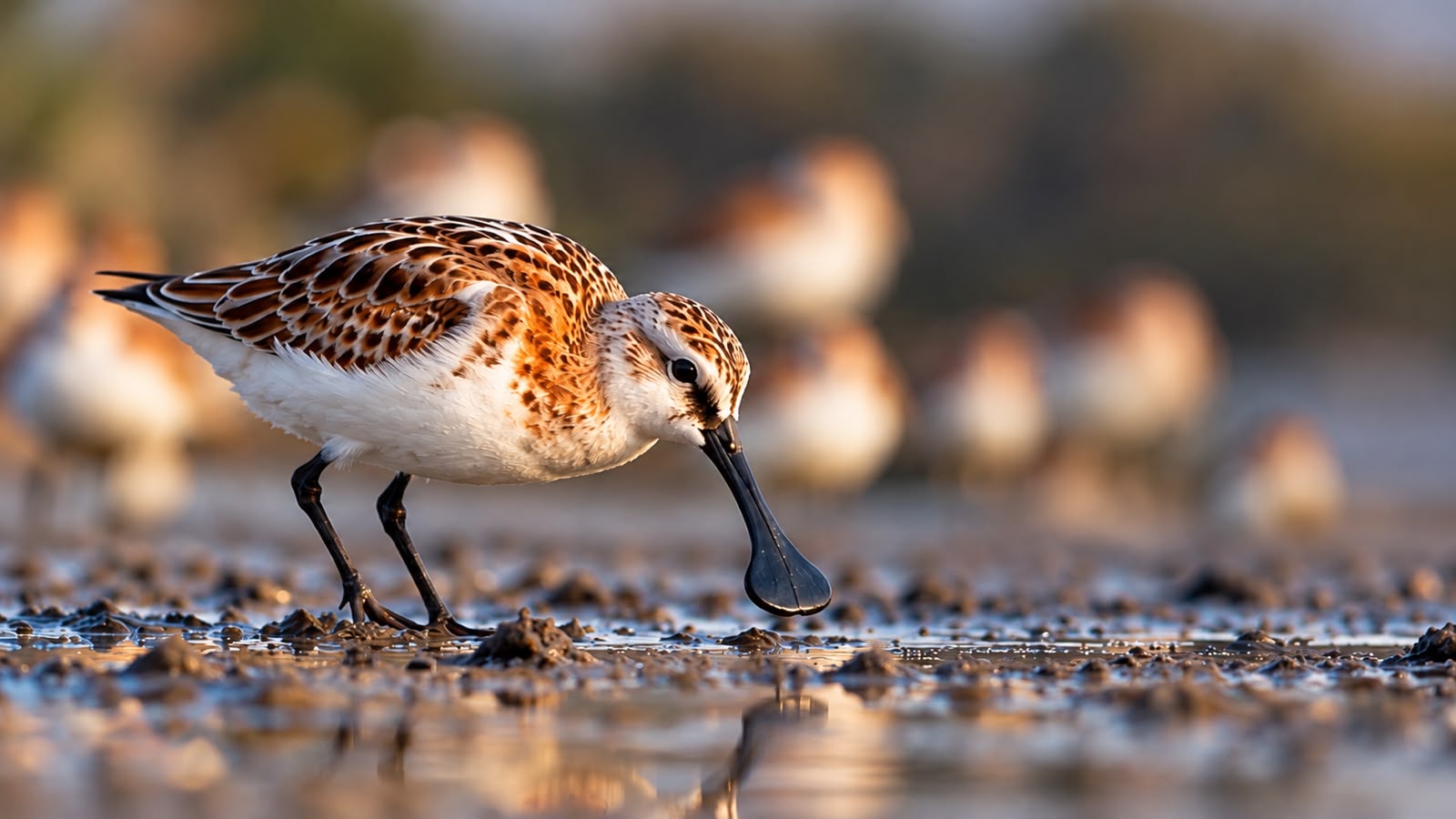
Among its most remarkable visitors is the critically endangered Spoon-billed Sandpiper, whose estimated global population of mature birds numbered only a few hundred in a 2021 assessment. A March 2010 survey recorded 25 individuals on Sonadia, demonstrating the island’s historical importance to the species. Other notable visitors include the endangered Great Knot and Nordmann’s Greenshank, alongside the near-threatened Eurasian Curlew.
Unplanned expansion of shrimp ponds and salt farms, mangrove loss, disruptive tourism and climate change threaten these fragile feeding grounds. The central question is not whether Sonadia deserves protection. It was declared an Ecologically Critical Area in 1999 and joined the East Asian–Australasian Flyway Partnership’s Flyway Site Network in 2011. The question is why these recognitions have not translated into sufficiently effective protection on the ground.
Conserving migratory birds is about more than saving rare species. Healthy mudflats support coastal food webs, while migratory routes connect ecosystems across national borders. International cooperation matters, but legal designations mean little without monitoring, enforcement and community participation.
Nor is wholesale eviction of shrimp farmers a realistic answer. Aquaculture supports many coastal livelihoods, and conservation that ignores local economic realities risks alienating the very communities whose cooperation is essential. Authorities should instead use scientific surveys to demarcate critical feeding and roosting grounds as strictly protected core zones. Existing aquaculture in suitable surrounding areas should progressively adopt environmentally responsible practices, without allowing new ponds to consume natural mudflats.
A permanent management framework must include regular bird counts, habitat monitoring and meaningful representation of local residents. Training people as birdwatching guides and homestay hosts could diversify incomes, while clear visitor rules should prevent plastic pollution, excessive noise and disturbance at roosting sites. Such initiatives require sustained government funding, transparent oversight and cooperation between conservation agencies, local authorities and communities.
Sonadia needs no further ceremonial recognition. It needs the effective enforcement of existing protections, evidence-based management and genuine partnership with its communities. If an internationally recognised sanctuary continues to deteriorate, the responsible authorities cannot evade accountability. The time to act is now.
By Salam Abu
Editor