
As the world marks World Refugee Day by reaffirming its commitment to the rights and dignity of displaced people, uncertainty, anxiety, and prolonged waiting continue to define life for more than 1.2 million Rohingya refugees living in camps in Cox’s Bazar.
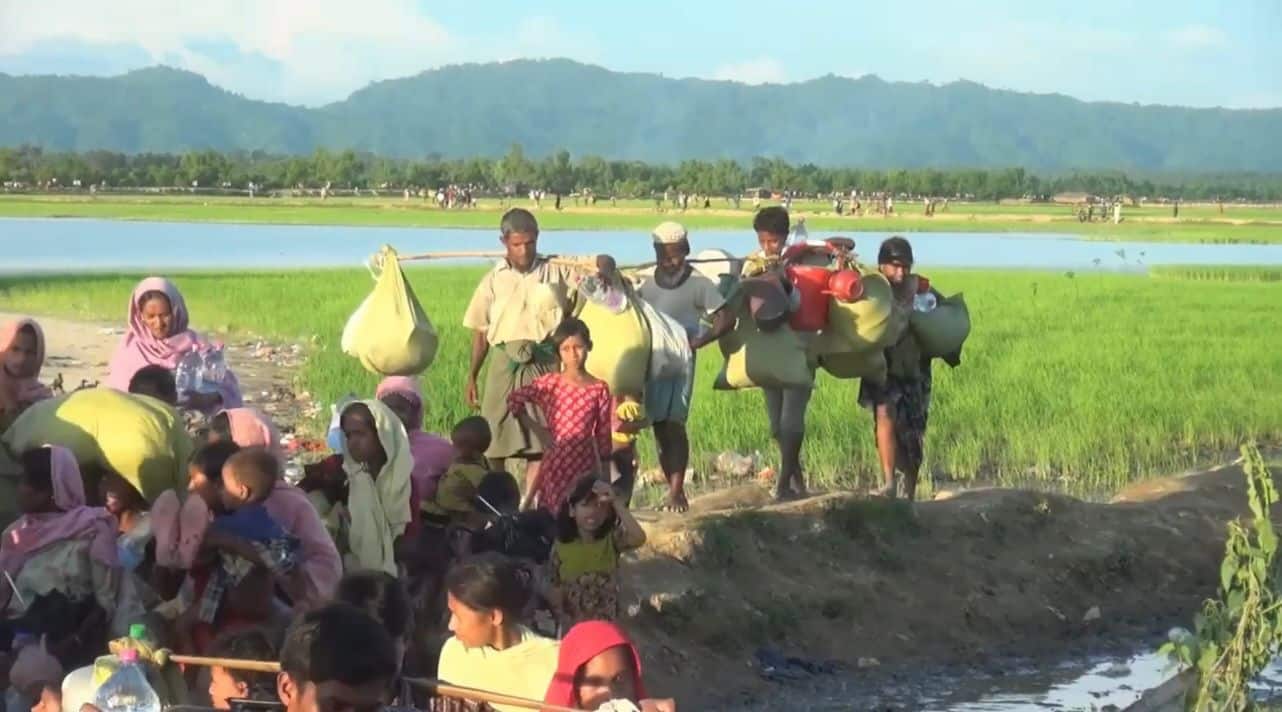
The majority of the Rohingyas fled to Bangladesh in August 2017 following a military crackdown in Myanmar’s Rakhine State.
What began as an influx of around 750,000 people has since grown to more than 1.2 million, with nearly 150,000 additional arrivals recorded over the past 2.5 years.
At the same time, an estimated 30,000 children are born in the camps each year, many of whom have never seen the homeland of their parents and grandparents.
Despite years of discussions and diplomatic efforts, there has been little visible progress in the repatriation process.
Meanwhile, international assistance has gradually declined, creating fresh challenges in food security, education, and healthcare services within the camps.
The monsoon season has further heightened concerns, with refugees facing risks from landslides and waterlogging, while a fragile law-and-order situation continues to add to their vulnerability.
Asad Ullah, a young Rohingya refugee, said that the community did not wish to remain in Bangladesh permanently.
“We want to return to Myanmar with dignity, citizenship, and equal rights. But that path still seems uncertain,” he said.
Abdul Hakim, a Rohingya elder in his sixties, said the refugees had been waiting for years to return home.
“Our homes, land, and identity are in Myanmar. He stated, “We are ready to return immediately if citizenship and security are guaranteed.”
Mohammad Zubair, chairman of the Arakan Rohingya Society for Peace and Human Rights (ARSPH), said many Rohingya leaders believe the ongoing conflict in Rakhine State is being used as a justification for delaying repatriation efforts.
He said the establishment of internationally supervised safe zones inside Myanmar could help create conditions conducive to the refugees’ return.
Mamtaz Uddin Bahari, general secretary of the Cox’s Bazar Press Club, said the district had been carrying the burden of the Rohingya crisis for years.
“The lack of progress in repatriation has increased concerns among residents. The prolonged presence of such a large refugee population is affecting the local economy, environment, and law-and-order situation. Efforts for safe repatriation or third-country resettlement need to be strengthened to achieve a sustainable solution,” he said.
Refugee Relief and Repatriation Commissioner Mizanur Rahman said the government continued to engage with the international community and relevant stakeholders to ensure the safe, voluntary, and sustainable return of the Rohingyas.
“Bangladesh remains committed to facilitating a dignified repatriation process once favorable conditions are created in Myanmar,” he said.
In August 2025, an international conference on the Rohingya crisis was held in Cox’s Bazar under the leadership of Chief Adviser Professor Muhammad Yunus, bringing together representatives from the United Nations and various countries.
However, despite years of dialogue, diplomatic engagement, and repeated commitments, meaningful progress towards repatriation remains elusive.
For many Rohingyas, World Refugee Day serves as yet another reminder of a future suspended between exile and an increasingly distant hope of returning home.
By Mohammad Morshed
Photo: Courtesy