
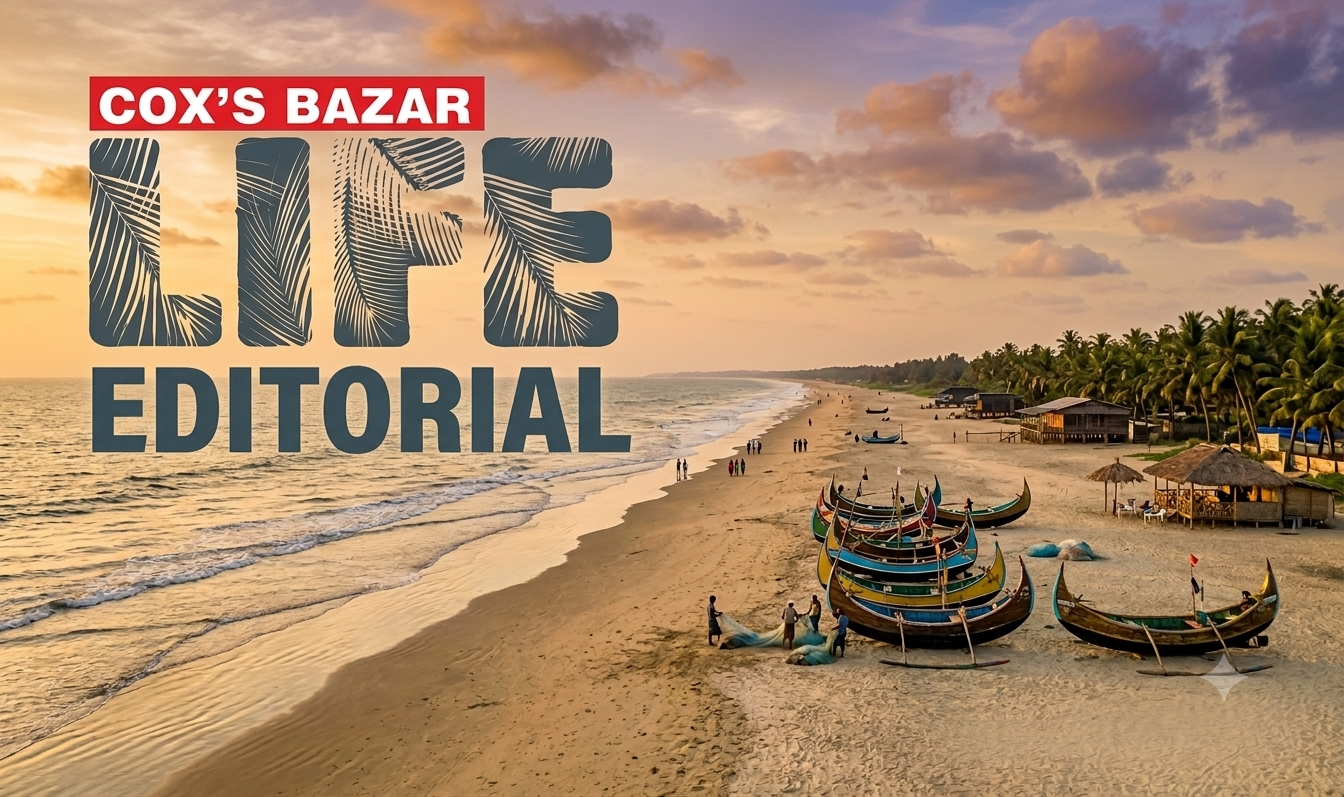
Cox’s Bazar, Bangladesh’s tourism capital, draws millions of visitors every year. Behind the glitter of this growing industry, however, food waste has become an alarming crisis. Nationwide, nearly 16 million people suffer acute food insecurity. Here, 25 to 30 per cent of locals, along with many Rohingya refugees, struggle for their daily meals.
Yet recent LGED data show that peak-season Cox’s Bazar generates over 200 tons of solid waste a day. According to Bangladesh’s waste-composition data, food waste and vegetable waste form a major share of municipal waste. Drawing on local and comparable data, the peak season could therefore generate an estimated 50 to 60 tons of food waste daily. Thus, vast quantities of food are wasted in the same area every day—much through unawareness and inefficient management.
The causes are behavioral and structural. Unlimited buffet abuse, ordering excess food as a status symbol, oversized servings, and uncertainty about guest numbers in corporate tours all drive waste. Buy-one-get-one offers encourage consumers to buy more than they need. Premium seafood, live kitchens, sudden seasonal demand, and poor forecasting or menu planning also waste enormous amounts. Fresh produce is discarded for minor imperfections. Frequent power cuts, inadequate cold storage, and inefficient transport spoil food before it reaches kitchens.
The damage is not merely economic. Landfills release methane from decomposing waste, while leachate can flow into the sea and destroy marine biodiversity. Scattered waste attracts stray dogs and crows, tarnishing the city’s image. Excessive purchasing by large hotels also creates artificial pressure on local markets, raising prices for marginalised people.
An integrated response is needed. A mandatory plate-waste fee at buffets and half-portion options can reduce consumer waste. Hotels should establish central food banks to distribute surplus to street children. Structured kitchen waste management is essential. Municipal food drop zones should be set up with government support. Demand-forecasting technology and strict oversight can dramatically cut waste. Only a combined effort by the government, the hospitality industry and the public, supported by sustained awareness, can transform Cox’s Bazar into a humane and sustainable global tourism destination. This world belongs to all living beings, and ensuring their survival is not merely a moral duty—it is a responsibility we cannot afford to ignore.
By Salam Abu
Editor