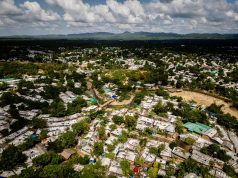

October marks the return of the tourism season in Cox’s Bazar. Over the coming months, hundreds of thousands of visitors are expected to arrive at Bangladesh’s leading seaside destination. This seasonal influx supports local businesses, generates income and sustains jobs. Yet familiar problems return each year, from traffic congestion and inflated prices to tourist harassment and environmental pollution.
As visitor numbers rise, roads around Kalatoli, Sugandha, Laboni and Marine Drive become increasingly congested. During holidays, complaints about excessive room rates, rising transport and food prices, and harassment of visitors are common. These problems disrupt local life and damage the destination’s reputation.
More alarming is the environmental toll. Poorly planned construction, inadequate waste management, plastic pollution and excessive groundwater extraction continue to threaten the coastline. A 2023 report found that 532 of 538 accommodation establishments surveyed in Kalatoli lacked sewage treatment plants. How much has improved since then remains unclear. Untreated sewage entering the sea and plastic waste accumulating along beaches pose serious threats to marine ecosystems. Unregulated hill cutting adds further risks.
Tourism’s economic importance is considerable. According to the Bangladesh Bureau of Statistics, the sector contributed 3.02 per cent of national GDP in 2018–19, equivalent to approximately BDT 76,690 crore. As a major tourism destination, Cox’s Bazar has much to lose if its natural environment deteriorates.
Recent events also exposed the industry’s vulnerability. In July 2026, four days of severe weather reportedly caused around 50,000 hotel booking cancellations, with local tourism businesses estimating losses of BDT 100 crore. The disruption underlined the need for disaster-resilient infrastructure and better emergency planning.
The district administration, municipality, tourist police and business associations must coordinate efforts to manage traffic, prevent overcharging, protect visitors and enforce waste regulations. Hotels must operate sewage treatment facilities and conserve water. Longer-term priorities should include assessing tourism carrying capacity, restricting single-use plastics, encouraging off-season travel and involving local communities. Tour operators and visitors must also respect safety standards and the environment.
Increasing visitor numbers alone cannot define success. Tourism must be safe, well-managed and environmentally sustainable. The recurrence of the same problems exposes persistent failures in planning and enforcement. Seasonal preparations are no substitute for lasting reform. Without it, Cox’s Bazar risks undermining the natural beauty on which its tourism industry depends.
By Salam Abu
Editor