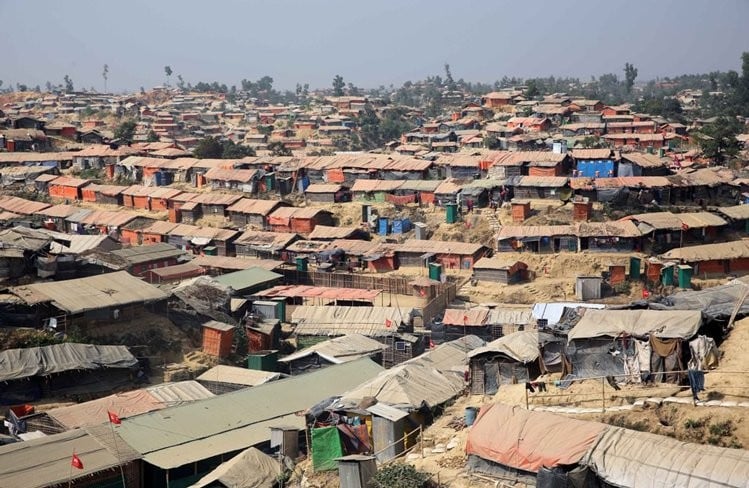
A total of 8,759 Rohingya children have received treatment for measles-like symptoms over an 11-week period from January to March 21 in camps in Cox’s Bazar, raising concerns over a sharp rise in infections.
The figure marks a significant increase compared with the previous six months from July to December last year, when only 1,355 Rohingya children were reported with similar symptoms. Health officials say the spread of the contagious disease has surged unusually since January in the densely populated camps.
Despite the high number of infections, fatalities remain low, with only one child death reported in the camps so far.
Meanwhile, at Cox’s Bazar District Sadar Hospital, 11 more children were admitted with measles symptoms in the past 24 hours. As of Friday afternoon (April 3), a total of 31 children were undergoing treatment at the facility.
However, concerns have grown following the deaths of four children over the past three days. Guardians have voiced their concerns about the treatment of children with measles symptoms in the same ward as other patients, which increases the risk of further transmission.
Assistant registrar of the pediatrics department at the district hospital, Dr Shahidul Alam, said a separate isolation ward would be opened soon to manage the situation.
Doctors say the rapid spread of the disease in Rohingya camps is largely due to high population density compared with rural areas.
Dr. Toha Bhuiyan, a physician working under the Refugee Relief and Repatriation Commissioner, said that although infections are widespread, the death rate remains relatively low due to active monitoring by international health organizations operating in the camps.
Cox’s Bazar Life Report
File Photo