
The United Nations High Commissioner for Refugees (UNHCR) has announced a €2 million contribution from the Government of Finland to sustain life-saving assistance and protection services for Rohingya refugees in Bangladesh.
The increased support will help UNHCR address critical funding gaps, including underfunded areas such as skills development and resilience-building programmes.
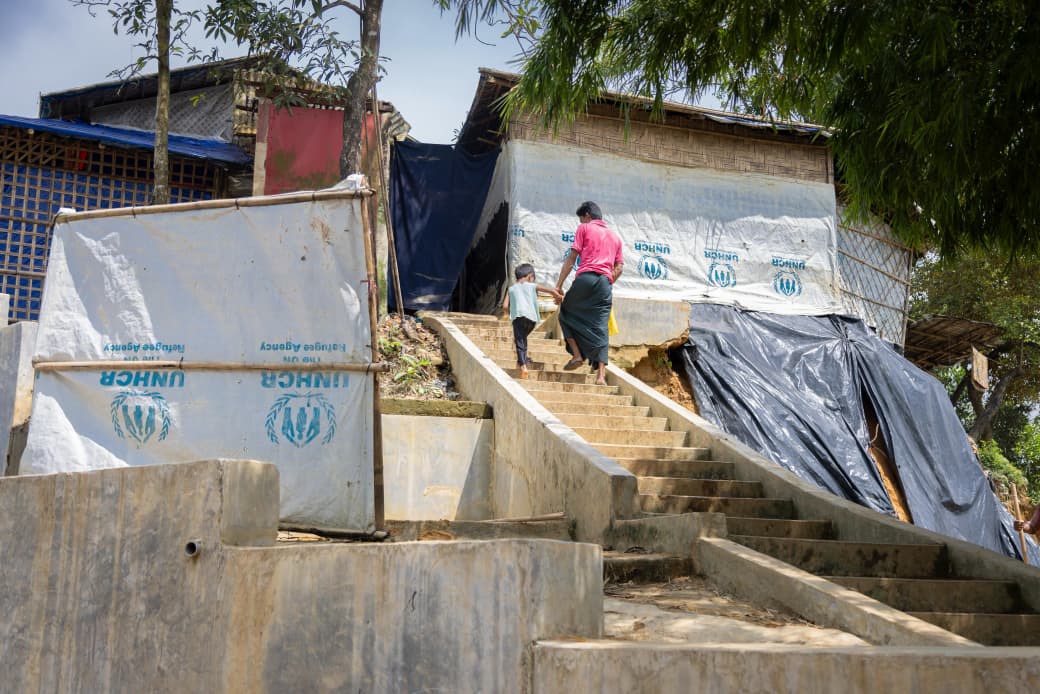
Nearly a decade after fleeing targeted violence and persecution in Myanmar, around 1.2 million stateless Rohingya continue to live in Bangladesh. With limited livelihood opportunities, the refugee population remains largely dependent on humanitarian assistance.
According to UNHCR, only 23 per cent of refugee households earned income through cash-for-work activities in 2025, currently the only formal livelihood opportunity available to Rohingya refugees. A further 42 per cent had access to temporary and unstable income sources, while 35 per cent had no income at all and relied entirely on aid.
As humanitarian funding declines, the most vulnerable groups continue to face the greatest hardship, including women and girls, persons with disabilities, older people, and approximately 150,000 new arrivals since early 2024. Many of these new arrivals remain without adequate shelter due to severe space constraints in the already overcrowded camps.
“As the Rohingya response enters a fragile phase — marked by declining funding, worsening camp conditions, rising protection risks, and continued instability in Myanmar — Finland’s increased commitment demonstrates remarkable generosity,” said Ivo Freijsen, UNHCR Representative in Bangladesh.
“It reaffirms our collective responsibility to protect Rohingya families and help them thrive until conditions in Myanmar allow for their voluntary, safe and dignified return home,” he added.
Mari Ahmed, Chargée d’Affaires a.i. At the Embassy of Finland in New Delhi, the Finnish Minister reaffirmed Finland’s commitment to both Bangladesh and the Rohingya people.
“Finland stands in solidarity with Bangladesh and with the Rohingya people. Almost a decade into displacement, the Rohingya still await an opportunity to rebuild their lives,” she said.
“In addition to providing basic assistance, we must invest in a better future for the Rohingya through skills development, resilience-building initiatives, support for the most vulnerable, and by ensuring that their plight remains on the global agenda.”
The contribution comes as the United Nations and its humanitarian partners seek renewed international support following the launch of the 2026 update of the Joint Response Plan (JRP) for the Rohingya humanitarian crisis on 20 May.
The highly prioritised plan seeks US$710.5 million to assist up to 1.56 million people, including Rohingya refugees and members of host communities in Bangladesh. The appeal represents a 26 per cent reduction from the 2025 JRP and covers only the minimum resources required to sustain essential life-saving assistance.
By the middle of the year, the appeal had already secured 60 per cent of the required funding, reflecting continued support from the international community.
Finland has long supported humanitarian action and multilateral efforts to protect forcibly displaced people worldwide. In 2026, the country is also providing UNHCR with €7 million in flexible core funding.
According to UNHCR, such unearmarked funding enables the agency to respond rapidly to sudden emergencies and maintain operations in neglected humanitarian crises.
UNHCR emphasised that sustained international engagement and funding remain vital to support Bangladesh’s response, ensure that refugees and host communities are not left behind, and enable Rohingya refugees to live in safety and dignity until conditions allow for their voluntary, safe, dignified, and sustainable return to Myanmar.
Cox’s Bazar Life Report
Photo: Courtesy