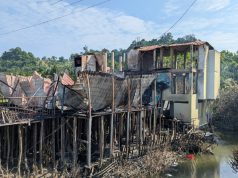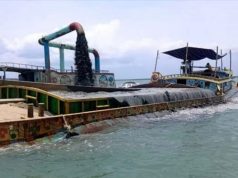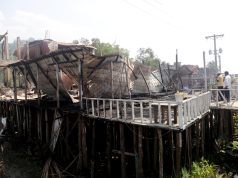

Despite the abundance of fish in the Bay of Bengal, the coastal fishers of Cox’s Bazar are yet to see its benefits reflected in their lives.
Every trip to sea brings a new story of uncertainty, debt and risk. Even after years of risking their lives to fish, most remain trapped in poverty.
From Moheshkhali to Teknaf, hundreds of thousands of fishing families along the coast depend on the Bay of Bengal for their livelihoods.
For generations, fishing has been their principal occupation, leaving many with few alternatives.
Fishers say their forefathers spent their lives at sea and they too have been forced to follow the same profession because they have no other viable source of income.
“We have spent our lives as fishers, just as our fathers and grandfathers did. Our families cannot survive without fishing. But there is not much fish in the sea these days,” said a fisherman named Rahman.
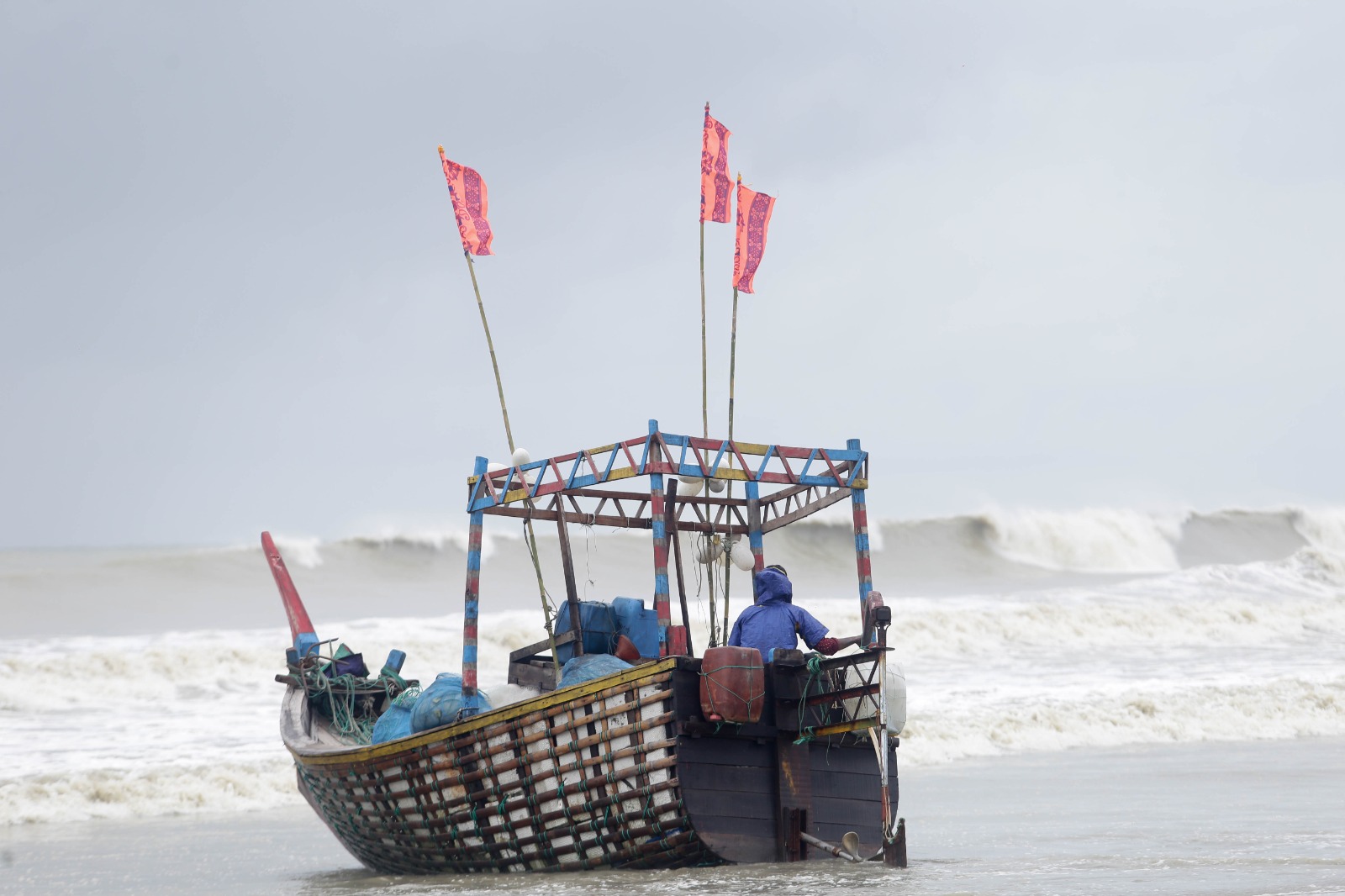
Adverse weather has made their struggle even harder. Local cautionary signal No. 3 is currently in force at four maritime ports, including Cox’s Bazar.
Yet many fishers continue to venture into the sea despite the risks posed by rough waters and inclement weather.
Staying ashore means struggling to meet daily household expenses and repay existing debts.
Fishers say their incomes have declined as catches have fallen.
At the same time, fishing requires substantial upfront expenses for boats, nets, fuel and food.
Often, they have to borrow money from moneylenders or fish traders to cover these costs.
Poor catches then make it difficult to repay the loans. As a result, before one fishing trip is even fully settled, another round of debt begins.
Rough seas, unpredictable weather, dwindling catches and mounting debt have turned life for Cox’s Bazar’s fishers into a daily struggle.
While they venture into the vast waters of the Bay of Bengal to help feed the nation, they themselves continue to battle an uncertain future.
By Abdu Rashid Manik
Photo: Hussain Shetu