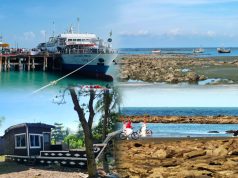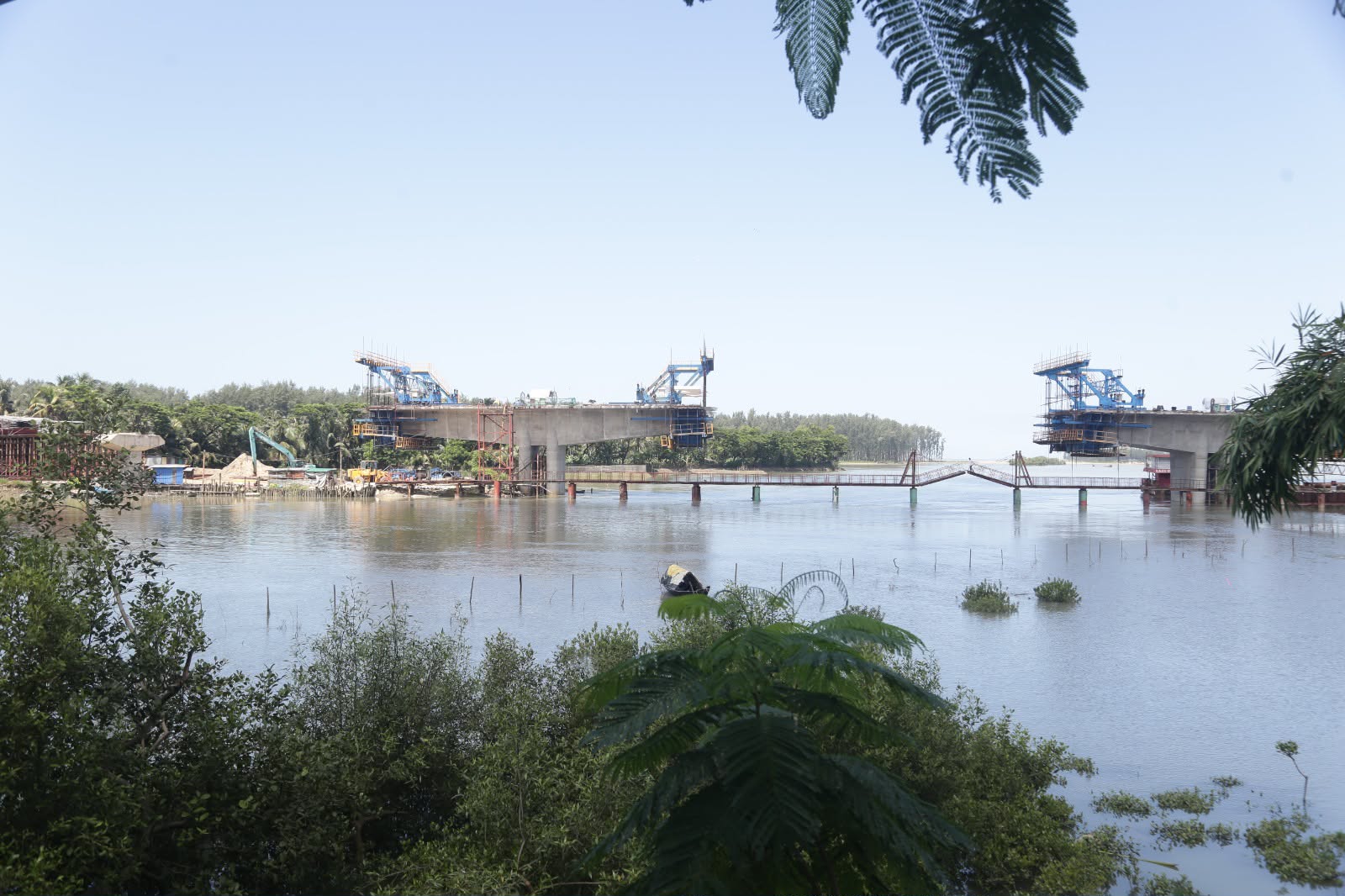
The landscape of Pechar Dwip village in Ramu, Cox’s Bazar, changes as tidal water from the sea enters Reju khal.
As river and sea waters merge, they create a striking natural scene that attracts locals and tourists from home and abroad.
The world’s longest sea beach lies to the west of Pechar Dwip, while rows of green hills stretch along the east.
Reju khal flows between them, bringing together the river, sea, hills and rural settlement. The landscape takes on a different character as the tide rises and falls.
Local visitor Hasib Hasan said Rejukhal looks particularly beautiful during high tide.
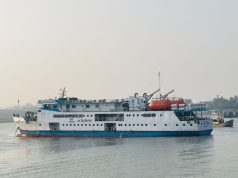
The activities of local people along the riverbank, boats moving through the channel and the everyday life of communities living beside the river add to the scenery.
Thousands of people in Pechar Dwip depend on the river for their livelihoods, he said.
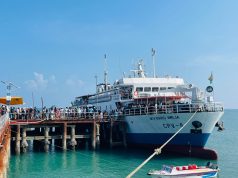
Tourists visit Pechar Dwip every day to experience its natural diversity.
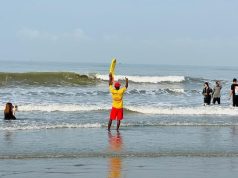
Some enjoy the sea waves, others admire the green hills, while many are drawn to scenes of everyday life along the river.
For tourists, Pechar Dwip is therefore more than a place to see the sea. Here, they can experience the river, hills, sea, and rural life together in one setting.
The combination of changing natural scenery and the everyday activities of local people has made Pechar Dwip one of the attractive destinations in Cox’s Bazar.
By Mohammad Morshed and Hossain Setu
Photo: Hussain Shetu