
Seaweed cultivation could open a new chapter in Bangladesh’s blue economy as population growth, climate change and food insecurity intensify. The country’s coastline and shallow coastal waters offer opportunities, but not every location is suitable. Site selection must respect ecosystems, navigation and existing livelihoods. Public support and scientific planning could turn this resource into better nutrition, employment and export earnings.
Edible seaweeds contain vitamins, iodine, iron, calcium, omega-3 fatty acids and protein, with nutritional content varying by species. They can diversify diets, but commercial food production requires suitable varieties, testing for iodine and contaminants, and hygienic processing. Nutritional potential demands dependable quality control.
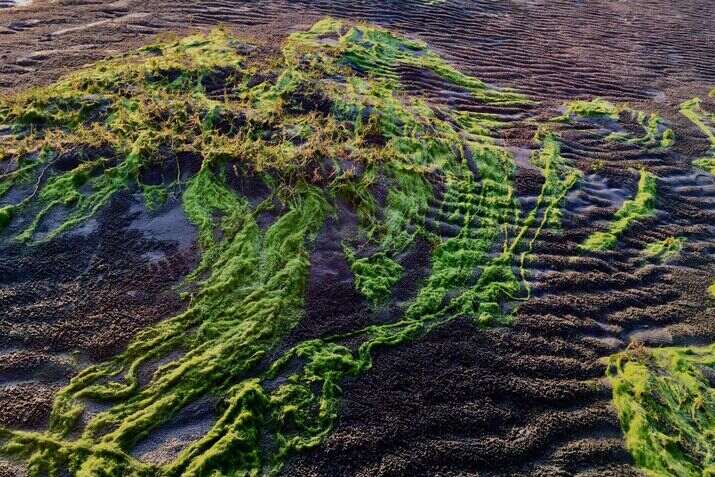
Seaweed grows naturally along the Cox’s Bazar coast, where limited cultivation experience already exists. A 2023 Mongabay report estimated Bangladesh’s annual production at around 400 metric tons, worth Tk55 million. Expansion requires identifying which species are commercially viable in particular locations. Farming needs no arable land or freshwater irrigation and generally requires no chemical fertilizer. Seed material, ropes, boats, labor, drying, storage and transport nevertheless involve costs.
Food, cosmetics and pharmaceutical industries, alongside processed ingredients such as agar and alginate, offer commercial opportunities. If Bangladesh eventually exports 200,000 metric tons of dried seaweed and higher-value processed products annually at an average price of eight dollars per kilogram, earnings could reach approximately $1.6 billion. At Tk120 to the dollar, that represents Tk19,200 crore. Achieving this requires market research, modern technology, compliance with export-market safety and quality requirements, and long-term purchase agreements.
Reliance on raw material sales will restrict access to higher-value markets. Bangladesh needs processing plants, laboratories and skilled workers to produce food-grade agar, alginate and other products. Training and affordable credit must come with dependable buyers and fair prices. Otherwise, poorer families will carry the risks. Women and fishing communities must also have opportunities in processing and marketing.
Before expansion, authorities must assess environmental impacts and determine how much cultivation local ecosystems can sustain. Plans must address biodiversity, conflicts with fishing, disease, invasive species and cyclone damage. Responsibilities among ministries, regulators and local authorities must be clear.
A national master plan should map suitable areas and provide quality seed material, testing laboratories, drying and storage centers, processing investment, market connections, insurance and monitoring. Farmers must understand costs and sales terms before committing household savings. The blue economy’s success cannot be measured by seminar attendance. It must be judged by fair earnings for farmers, more coastal jobs and products that meet international standards and secure export orders.
By Salam Abu
Editor