Skills training and access to loans aim to help young people enter the hospitality sector
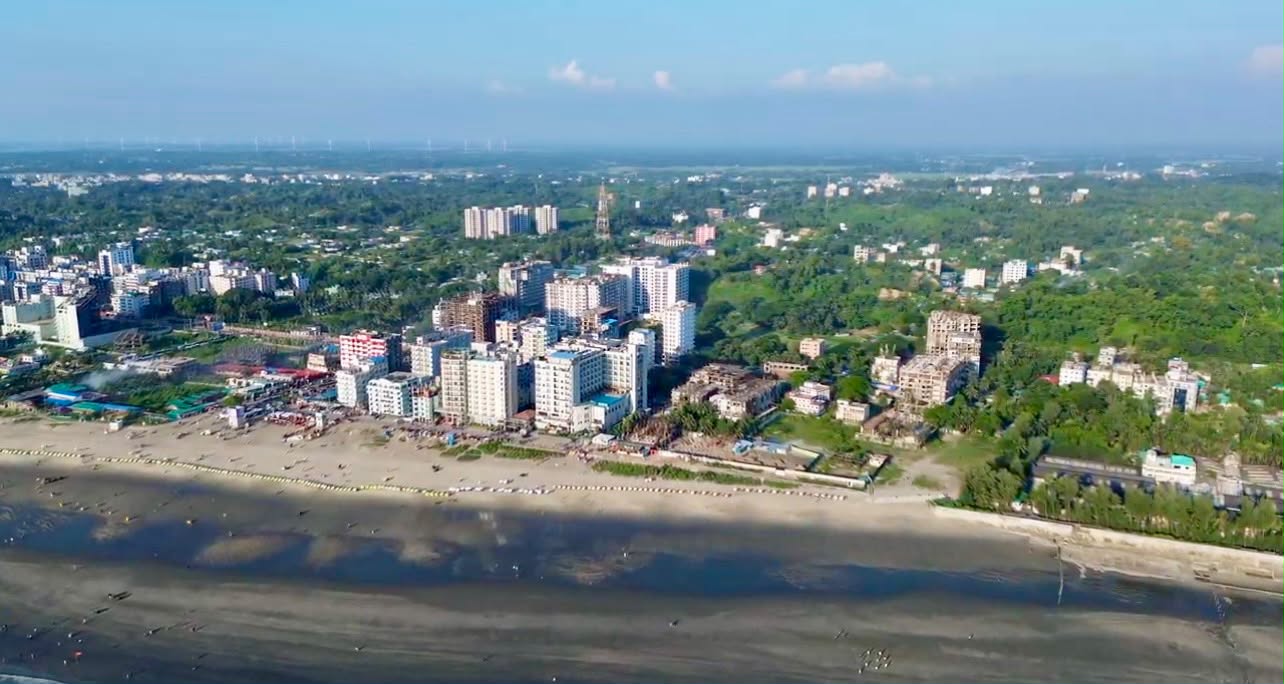
Employment opportunities for local young people are expanding as hotels, motels, resorts, restaurants and other tourism-related businesses grow in Cox’s Bazar, the country’s leading tourist destination. However, greater participation by local youth in the industry requires skilled workers and job-oriented training.
Potential jobs in the tourism sector include hotel front-desk operations, housekeeping, food and beverage services, cooking, bakery work, restaurant management, tourist guiding, travel agencies, tour operations and digital marketing. With appropriate training, young people can seek jobs or launch their own tourism-related businesses.
The Department of Youth Development is conducting various training programmes to help unemployed young people develop skills and become self-reliant. Alongside institutional and non-institutional training at the district level, short courses are offered at the upazila level based on local demand. Depending on the course, training lasts between one and six months.
Cox’s Bazar Department of Youth Development deputy director Md Moazzem Hossain said the department provided various training programmes to improve young people’s skills and promote self-employment.
Training helps prepare young people for employment, while loan assistance is available to eligible trainees who want to start their ventures, he said.
As Cox’s Bazar’s economy depends heavily on tourism, there is considerable scope to develop local young people into skilled workers who can meet the industry’s needs, he added.
Moazzem said the department offered training in basic computer skills, fish farming, garment making, electrical installation and house wiring, refrigeration and air conditioning, and electronics.
Short courses are also available in poultry and livestock rearing, goat farming, vegetable cultivation, nursery management, flower and fruit cultivation, compost production, and bamboo and cane crafts.
The department provides certificates after training and offers loan assistance for self-employment. Its programmes include individual loans, family-based loans and loans for young entrepreneurs. Approval depends on applicants’ eligibility, proposed projects and prescribed conditions.
Residential trainees receive training allowances, while accommodation may be arranged for participants in some non-residential courses when necessary.
Students also emphasise the need for practical training alongside formal education in tourism and hospitality.
Mossaddek, a student of the Tourism and Hospitality Department at Cox’s Bazar International University, said more government-sponsored tourism training would help students acquire industry-relevant skills.
Such initiatives would give students practical knowledge alongside their academic studies and improve their prospects of securing jobs in the tourism industry, he said.
Meanwhile, the ISEC project, implemented with support from the International Labour Organization, is working to improve skills and employment opportunities for women and young people in Cox’s Bazar.
The project includes training and workplace-based apprenticeship initiatives in tourism and hospitality, construction, beauty care and other sectors. It aims to help trainees gain practical experience and prepare for employment.
However, stakeholders say specialised training opportunities for local young people need to expand to meet the tourism industry’s growing demand for skilled workers.
They identify English-language proficiency, communication with foreign tourists, guest services, modern hotel management, online booking and tour operations as important areas for skills development.
Better coordination between the Department of Youth Development, hotel and motel owners’ associations, resort operators, universities and tourism-related businesses could help trainees move directly into jobs, they say.
They also suggest introducing internships, job fairs and links with employers to increase local young people’s participation in Cox’s Bazar’s tourism economy.
By Mohammad Morshed