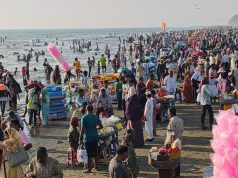

Home to the world’s longest uninterrupted natural sea beach, Cox’s Bazar remains heavily dependent on winter tourism and public holidays. According to local business associations, approximately 400,000 visitors generated Tk 400 crore in business during a single week of Eid-ul-Azha in 2025. Yet during Ramadan this year, daily tourist arrivals dwindled to a few hundred, leaving nearly 90 percent of hotel rooms vacant. Such seasonal fluctuations leave substantial investments underutilised and undermine employment stability.
One effective way to reduce this dependence is through MICE tourism—Meetings, Incentives, Conferences and Exhibitions. These events can take place on weekdays and during quieter months, benefiting hotels, restaurants, transport operators, event organisers and local businesses. Research by VisitBritain indicates that conference delegates who extend their stay for leisure spend approximately two and a half times as much as those who do not.
With 683 hotels, motels and resorts identified in a survey by the Cox’s Bazar Development Authority, the district has an established hospitality sector. Its beaches, hills and Marine Drive offer natural advantages for combining business travel with leisure. Medical conferences, corporate seminars and humanitarian forums already take place here. Better utilisation of existing facilities could generate additional revenue while reducing the need for major capital investment. The economic significance of MICE tourism lies not merely in how much revenue it generates, but when it generates it.
Thailand offers a relevant lesson. According to its Convention and Exhibition Bureau, MICE expenditure exceeded 338 billion baht in 2025. The domestic market accounted for 57 percent of the sector’s economic impact. Pattaya demonstrates how beach destinations can diversify through conference tourism. Cox’s Bazar could similarly cultivate domestic demand from corporations, professional associations and development organisations as a foundation for international expansion.
Competitiveness, however, requires more than natural attractions. Authorities must ensure regulatory compliance, efficient transport, emergency healthcare and reliable high-speed internet. Hospitality operators must improve fire safety, technical facilities, service standards and pricing. Affordable domestic airfares and direct international flights would further strengthen accessibility.
A public-private convention bureau could maintain an inventory of venues and their capacities, collect occupancy and expenditure data, coordinate destination marketing and develop an annual events calendar targeting quieter months. The case for an international convention and exhibition centre should be assessed against market demand, commercial viability and environmental impact. On a fragile coastline already under pressure from unplanned urbanisation, responsible site selection would be fundamental.
MICE tourism complements rather than replaces traditional beach holidays. Success must be measured not simply by visitor numbers, but also by spending, length of stay, employment stability and benefits to the local economy. The challenge is to turn existing tourism capacity into sustained economic activity throughout the year. MICE tourism offers a practical route towards that goal.
By Salam Abu
Editor