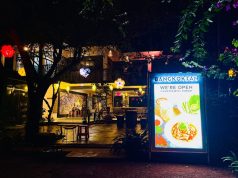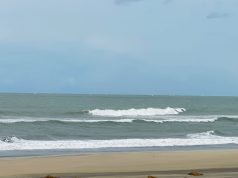
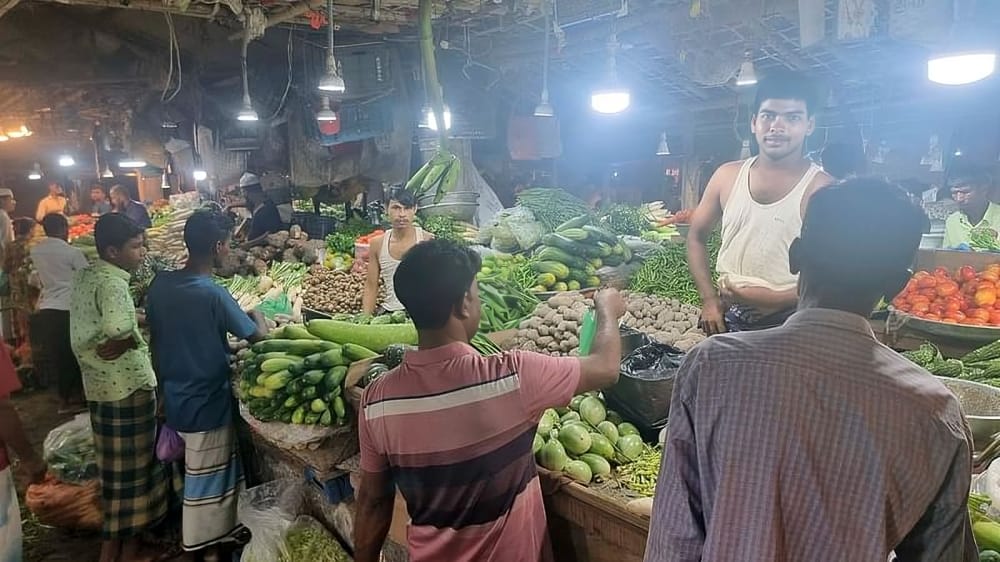
Nestled in the South Dhurung Union of Kutubdia Upazila, Cox’s Bazar, the 200-year-old Dhurung Bazar has endured, preserving its rich heritage. While the market remains quiet during the day, it comes alive with bustling activity as evening falls.
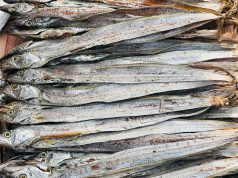
From 6 PM to 10 PM, the market becomes a lively meeting place for salt workers, farmers, and fishermen. Alongside the buying and selling fish, meat, and vegetables, tea stalls and small eateries host animated discussions about salt production, fish prices, and the ups and downs of business.
Surrounding the market are thousands of acres of salt fields. People primarily engage in salt farming and fishing from nearby villages such as South Dhurung, East Dhurung, Tabler Char, and Dingabanga. By 7 AM, salt farmers are hard at work, evaporating seawater under the sun to extract salt. By afternoon, they finish their work and head to the market for their daily needs.
Adjacent to Dhurung Bazaar stands the Musamia Sikder Jame Mosque, another symbol of the region’s rich history. Built in 1734, this mosque is a place of worship and a cherished cultural landmark for the local community.
With more than 1,000 shops, the market thrives as a hub for trade and livelihood. For local farmers and fishermen, Dhurung Bazaar is more than just a marketplace; it is a lifeline, connecting them to the larger economy.
By Rajin Saleh
Photo: Rajin Saleh