The geography and natural landscape of Cox’s Bazar, a district in Chattogram, have significantly influenced the local language and culture. Despite primarily speaking the regional dialect, the people of this region weave many unique words and expressions from Cox’s Bazar into their everyday speech. For instance, instead of the standard Bangla greeting “Apni kemon achen?” (How are you?) Locals often say, “Yone gom achon ne?”
Historically, the people of this area maintained strong ties with Arakan (modern-day Rakhine State in Myanmar), which persists to a limited extent. As a result, elements of the Arakanese language have blended into the local dialect. Additionally, the district is home to the Rakhine ethnic community, whose language and cultural traits have further enriched the region’s linguistic diversity.
As a coastal city, Cox’s Bazar reflects a cultural amalgamation. The city’s historical relationship with Burma (Myanmar) and the presence of the Rakhine community have created a unique fusion of Bengali and Burmese cultural influences. For instance, Cox’s Bazar and the broader Chattogram region widely appreciate Rakhine music and dance.
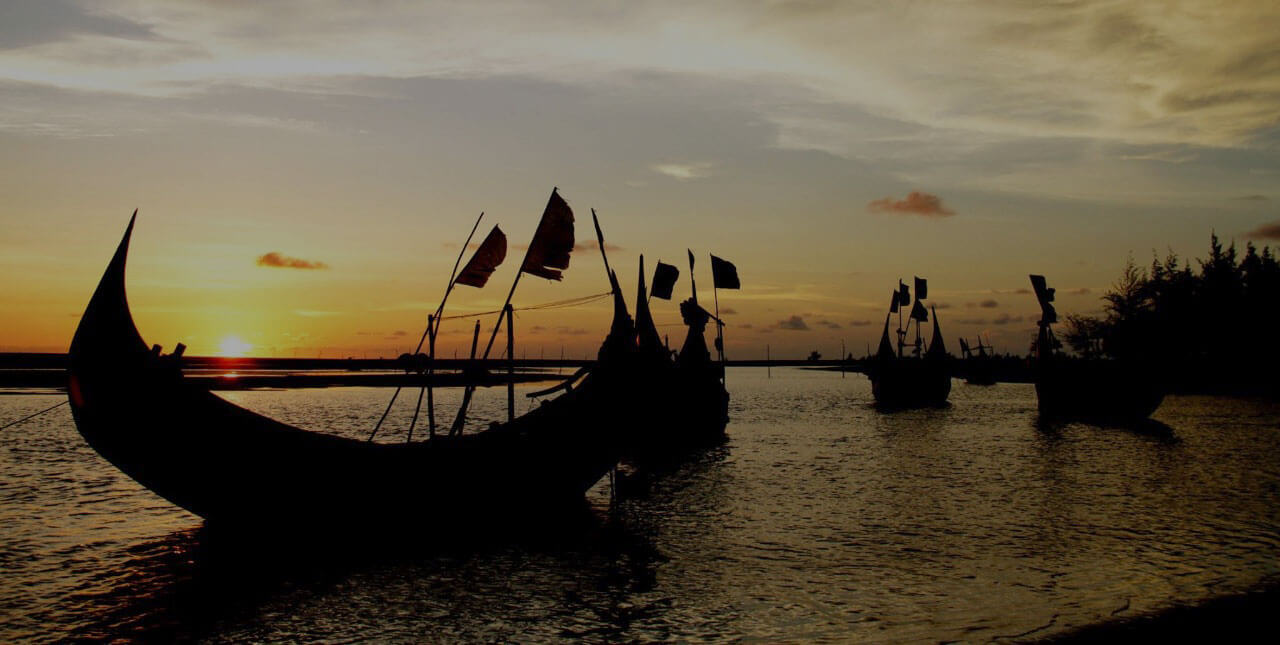
The sea plays a pivotal role in shaping the region’s culture. The locals have long struggled with natural disasters and the unpredictable Bay of Bengal. This resilience is evident in their cultural expressions, particularly in the traditions and daily lives of the fishing community. Their songs, dances, and storytelling often depict their struggles and triumphs against the forces of nature, painting a vivid picture of life by the sea.
Cox’s Bazar is a vibrant example of how language and culture evolve through historical, geographical, and communal influences. It offers a unique blend of tradition and resilience that continues to captivate visitors and locals alike.
By Abdur Rashid Manik
Photo: Collected