Cox’s Bazar’s poverty rate was 27.8 per cent in 2022, well above the national 18.7 per cent
Chakaria is the most poverty-stricken upazila in Cox’s Bazar, with 43.3 per cent of its people living below the upper poverty line, according to the Bangladesh Bureau of Statistics (BBS) Poverty Map 2022. Cox’s Bazar Sadar, the district headquarters, has the lowest rate at 10.3 per cent.
Overall, 27.8 per cent of the district’s 2.74 million people live below the upper poverty line, according to the map unveiled in January last year.
The findings come as the International Day for the Eradication of Poverty is observed on 17 October, and a World Bank report warns that poverty is rising nationwide again.
Chakaria, home to 557,613 people, is the only upazila in the district where poverty has risen sharply since 2010. Its rate climbed from 21.2 per cent to 43.3 per cent in 2022.
It is followed by Moheshkhali at 32.7 per cent, Kutubdia at 31.9 per cent and Ramu at 30.3 per cent. All four are in the BBS’s ‘very high’ poverty category.
Ukhia (27.4 per cent), Pekua (25.5 per cent), and Teknaf (21.2 per cent) fall into the ‘high’ category.
Cox’s Bazar Sadar, with 389,067 people, recorded 10.3 per cent, the district’s lowest rate. Eidgaon follows at 11.7 per cent. Both fall in the ‘low’ category. None of the district’s nine upazilas is in the ‘very low’ category.
The district’s poverty rate fell from 31.6 per cent in 2010 to 27.8 per cent in 2022. Even so, the BBS now places Cox’s Bazar in the ‘high’ poverty category, compared with ‘low’ in 2010, because other districts have reduced poverty faster.
Among the upazilas, Teknaf saw the sharpest fall, from 40.2 per cent in 2010 to 21.2 per cent in 2022. Sadar dropped from 30.0 per cent to 10.3 per cent, Eidgaon from 23.8 per cent to 11.7 per cent, Moheshkhali from 41.2 per cent to 32.7 per cent and Ukhia from 34.1 per cent to 27.4 per cent. Pekua fell from 33.2 per cent to 25.5 per cent, Kutubdia from 34.4 per cent to 31.9 per cent, and Ramu from 31.0 per cent to 30.3 per cent.
Cox’s Bazar is also among the districts with the highest extreme poverty in the country. Five upazilas, Chakaria, Kutubdia, Moheshkhali, Ramu and Ukhia, are in the ‘high’ extreme poverty category. Pekua and Teknaf are ‘moderate’, while Cox’s Bazar Sadar and Eidgaon are ‘low’.
Nationally, poverty fell from 48.9 per cent in 2000 to 18.7 per cent in 2022, but regional gaps remain wide.
Cox’s Bazar’s 27.8 per cent is above the national rate and puts it among the higher-poverty districts, alongside Faridpur, Bhola and Sunamganj, at 27 per cent or just above.
The BBS district figures predate a fresh rise in poverty. In its Bangladesh Development Update released on 6 October, the World Bank estimated that national poverty rose to 22.5 per cent in 2026 from 18.7 per cent in 2022, as a prolonged slowdown eroded household welfare through weak labour demand and persistent inflation.
The World Bank also said integrating multiple food-based subsidy programmes and better coordinating cash assistance with the Family Card could lift another 2.85 million people out of poverty.
The International Day for the Eradication of Poverty is being observed today; the observance runs under the 2026–28 theme, ‘United for Peace and Human Rights’, with this year’s focus on ‘Safe Homes for All’, which highlights adequate housing as a foundation for security, participation, and a life of dignity.
The UN says more than 2.8 billion people worldwide face some form of housing inadequacy, and that around 826 million people, about 10 per cent of the world’s population, live in extreme poverty on less than $3 a day.
For Cox’s Bazar, where seven of nine upazilas are in the ‘high’ or ‘very high’ poverty categories, and Chakaria’s rate has more than doubled in 12 years, the BBS data indicates where such targeted support is needed most.
Cox’s Bazar Life Desk
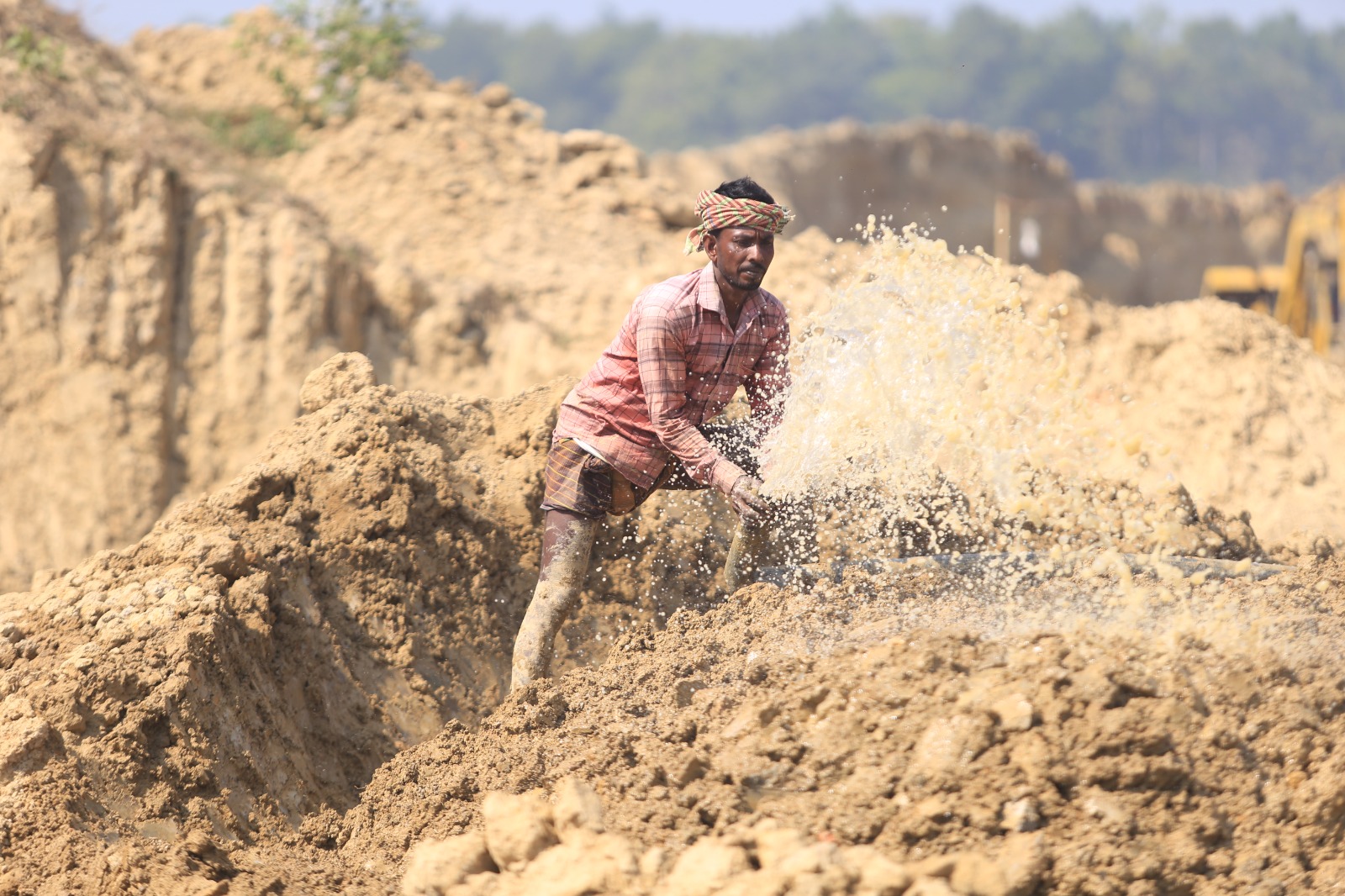
Photo: Hussain Shetu