

Nestled in the embrace of the Bay of Bengal, Saint Martin’s Island captivates visitors with its breathtaking beauty. Beyond the endless roar of the sea, one of the island’s most enchanting features is its lush Keora forest.
The dense greenery of Keora trees encircles the island, offering much-needed shade and respite from the scorching sun in the middle of the ocean.
For the island’s residents, the Keora forest serves a greater purpose than just providing shade. They believe it is a natural barrier, protecting their settlements from cyclones and tidal surges. Fishermen and tourists find solace under the cool shade of these trees, accompanied by the gentle sea breeze.
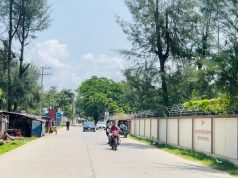
The road from Saint Martin’s to Chera Dwip is lined with Keora trees, enhancing the tranquil experience for visitors. Keora trees are also found in Chera Dwip, not just on the main island. They have stood resiliently over the years, preserving the island’s delicate ecosystem.
The fruit of the Keora tree is just as fascinating. It resembles a miniature jackfruit and has a spiky exterior. Locals speak highly of its medicinal properties, believing it to be a natural remedy for serious illnesses, including cancer.
The Keora tree also serves various practical purposes—its sturdy branches are often used to build seating platforms, while some locals use its wood to construct houses and hotel pillars.
Beyond its structural utility, the Keora tree is also used in traditional medicine. Many islanders rely on its leaves and fruit for primary healthcare. Homes built from Keora wood in Saint Martin’s are renowned for their durability, enduring the test of time and the elements.
By Mohammad Morshed
Photo: Hussain Shetu