

Today, October 31, marks World Savings Day. Small savings can build lasting prosperity, but thrift is about more than setting money aside. For businesses and public institutions, it means using resources wisely, preventing waste, and getting greater value from what already exists. Few places have more to gain from this approach than Cox’s Bazar, where tourism and the coastal economy depend on resources that are too often lost or poorly managed.
A study published in Heliyon in 2024 estimated Bangladesh’s annual post-harvest losses in marine fisheries at approximately $151 million, based on data collected between 2019 and 2021. It identified physical losses of 0.82 percent and quality- and market-related losses of 6.41 percent. Inadequate icing, poor storage, and delays in marketing contribute to the problem. These are national estimates, not figures for Cox’s Bazar. The district needs its own assessment to establish how much fish is lost, where losses occur, and what can realistically be saved.
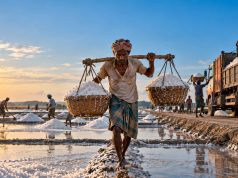
Better drying methods offer another opportunity. In March 2025, the Food and Agriculture Organization of the United Nations announced an initiative to distribute 93 improved fish-drying racks in Bangladesh. Such equipment can help protect dried fish from insects and reduce reliance on harmful chemicals. Yet equipment alone is not enough. Training, maintenance, and follow-up assessments are essential if small producers are to benefit. Similar attention to storage and processing could improve returns for betel leaf growers in Maheshkhali, salt producers, and coastal crab farmers.
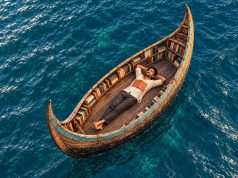
Tourism businesses also have substantial room to reduce waste. Hotels and restaurants can lower operating costs by monitoring electricity use, conserving water, planning food purchases, and separating waste. Energy audits, solar power, and water reuse deserve serious consideration where financially and technically practical. More efficient transport, better navigation for fishing vessels, and responsible reuse of materials in boatbuilding could deliver further savings. These improvements would also help local businesses remain competitive as operating costs continue to rise.
The challenge is turning these opportunities into measurable results. The district administration, Department of Fisheries, local government, researchers, and business associations should jointly assess losses and set realistic targets. Pilot programs at fish markets, dried-fish production sites, and hotels could test practical solutions. Their costs, results, and savings should be made public before successful measures are expanded.
Reducing waste would do more than strengthen businesses. It could also ease pollution, protect coastal biodiversity, and make Cox’s Bazar a more sustainable destination. On World Savings Day, we should remember that the district’s future depends not only on new investment, infrastructure, or visitor numbers, but also on how much of the wealth and resources already in our hands we choose to preserve.
By Salam Abu
Editor