
The aroma of cooked Kalojira rice would fill the air. Anyone could eat it just by itself, reminisced Monirul Haque, a farmer from Cox’s Bazar, unable to forget the distinct taste of Kalojira rice.
Known for its fragrant and fine grains, Kalojira rice was a staple for making dishes like pitha, pulao, biryani, khichuri, kheer, payesh, firni, and jorda. Its cultural significance also stemmed from its everyday use in preparing offerings for Hindu religious festivals, making it popular across communities.
However, the traditional Kalojira rice is fading from the fields as farmers across Cox’s Bazar villages have shifted away from cultivating it due to high production costs and low profitability.
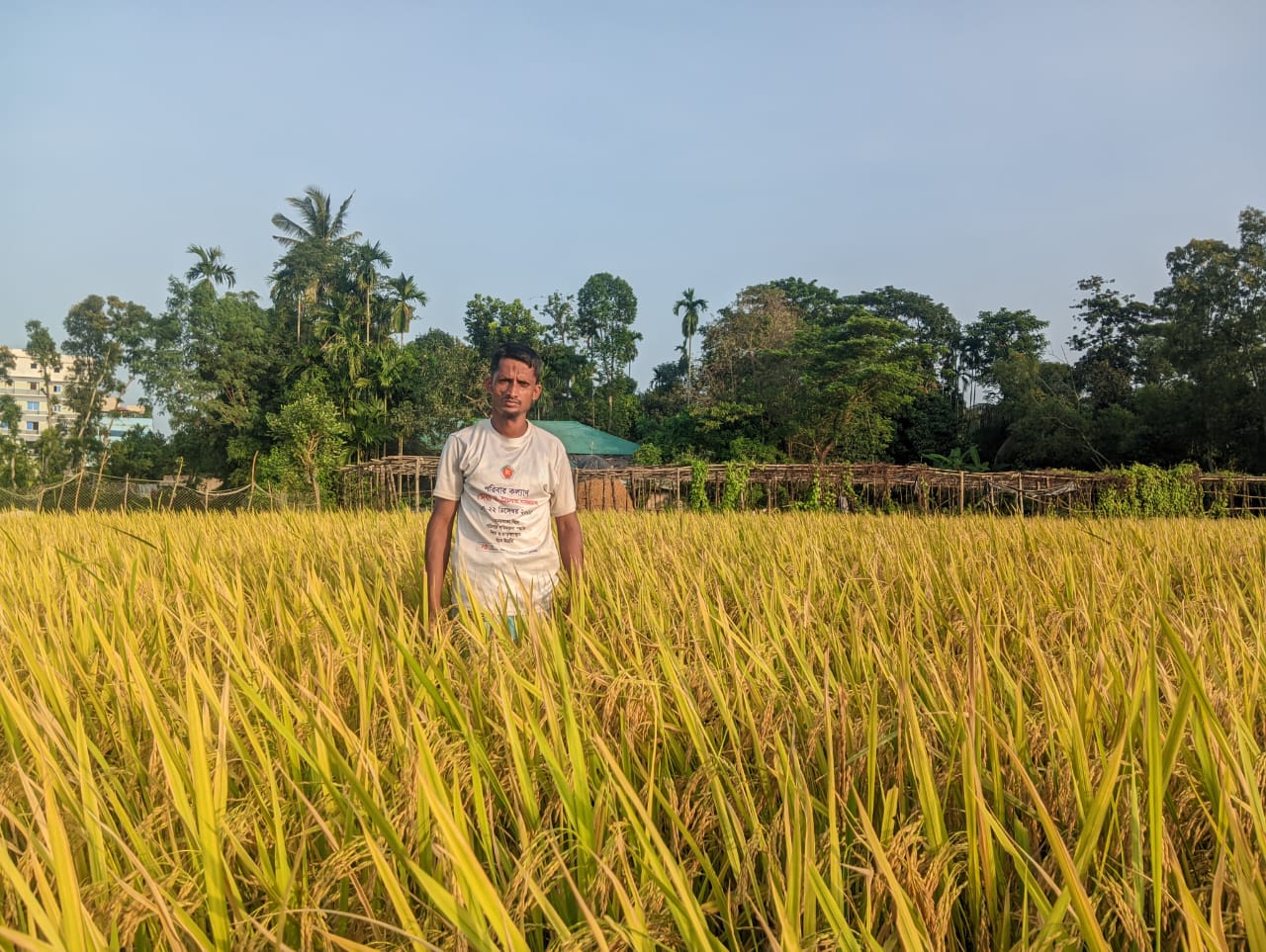
A recent visit to Cox’s Bazar’s Banglabazar area reveals a landscape dominated by Aman rice fields, with hardly any Kalojira being grown. Farmers expressed that government support, such as demonstration plots and essential resources, could help revive this fragrant variety from the brink of extinction.
By Rajin Saleh