
Tourism has expanded rapidly in Cox’s Bazar, but sanitation infrastructure has not kept pace. The town has roughly 196,000 permanent residents, yet an estimated 350,000 tourists visited during the three days following Eid-ul-Fitr this year, according to UNDP. As World Toilet Day is observed on 19 November, the question is not simply whether toilets exist, but whether their waste is safely managed.
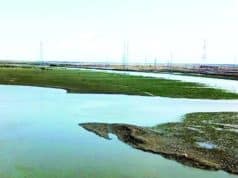
Cox’s Bazar still lacks a central sewerage network. Homes and businesses largely rely on septic tanks and pit toilets, with inadequate systems for collecting and treating waste. The problem is particularly acute in Kolatoli. A Prothom Alo report identified 538 hotels, motels and resorts there, most without their own sewage treatment facilities. Untreated wastewater reportedly enters drains and waterways, threatening the Bakkhali River and coastal ecosystems. Although a central treatment plant appears on the Cox’s Bazar Development Authority’s list of proposed projects, its implementation requires a clear timetable, transparent financing and institutional accountability.
The consequences extend beyond beach cleanliness. Declining groundwater levels have increased the need for alternative water sources, including plans to treat river water for public supply. Preventing sewage contamination is therefore essential. Water security and wastewater management must be addressed together.
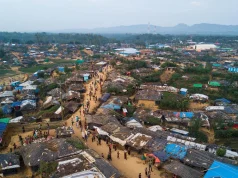
In Ukhiya and Teknaf, sanitation faces a different but equally pressing challenge. UNHCR figures put the Rohingya population at approximately 1.185 million at the end of February. The 2026 Joint Response Plan warns that funding shortfalls could disrupt water supply, latrine maintenance and faecal sludge removal. Monsoon damage to toilets and reported cholera cases underline the risks. For women and adolescent girls, safe toilets with adequate privacy are also essential to dignity and security.
The response must go beyond occasional inspections and awareness campaigns. The development authority, municipality and relevant agencies should publish the treatment plant’s status, financing arrangements and delivery schedule. Hotels must meet enforceable wastewater standards, with regular inspections and shared treatment options where individual plants are impractical. In the camps, reliable water supplies, toilet repairs and sludge removal must remain priorities despite funding pressures.
Personal hygiene matters, but it cannot substitute for functioning sanitation infrastructure. On World Toilet Day, Cox’s Bazar needs clear deadlines, accountable institutions and effective waste treatment. The town cannot build a sustainable tourism economy while leaving its sewage problem unresolved.
By Salam Abu
Editor