
History of September 27, its purpose and why awareness matters in Bangladesh
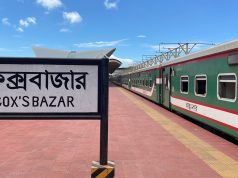
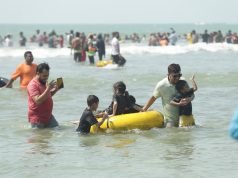
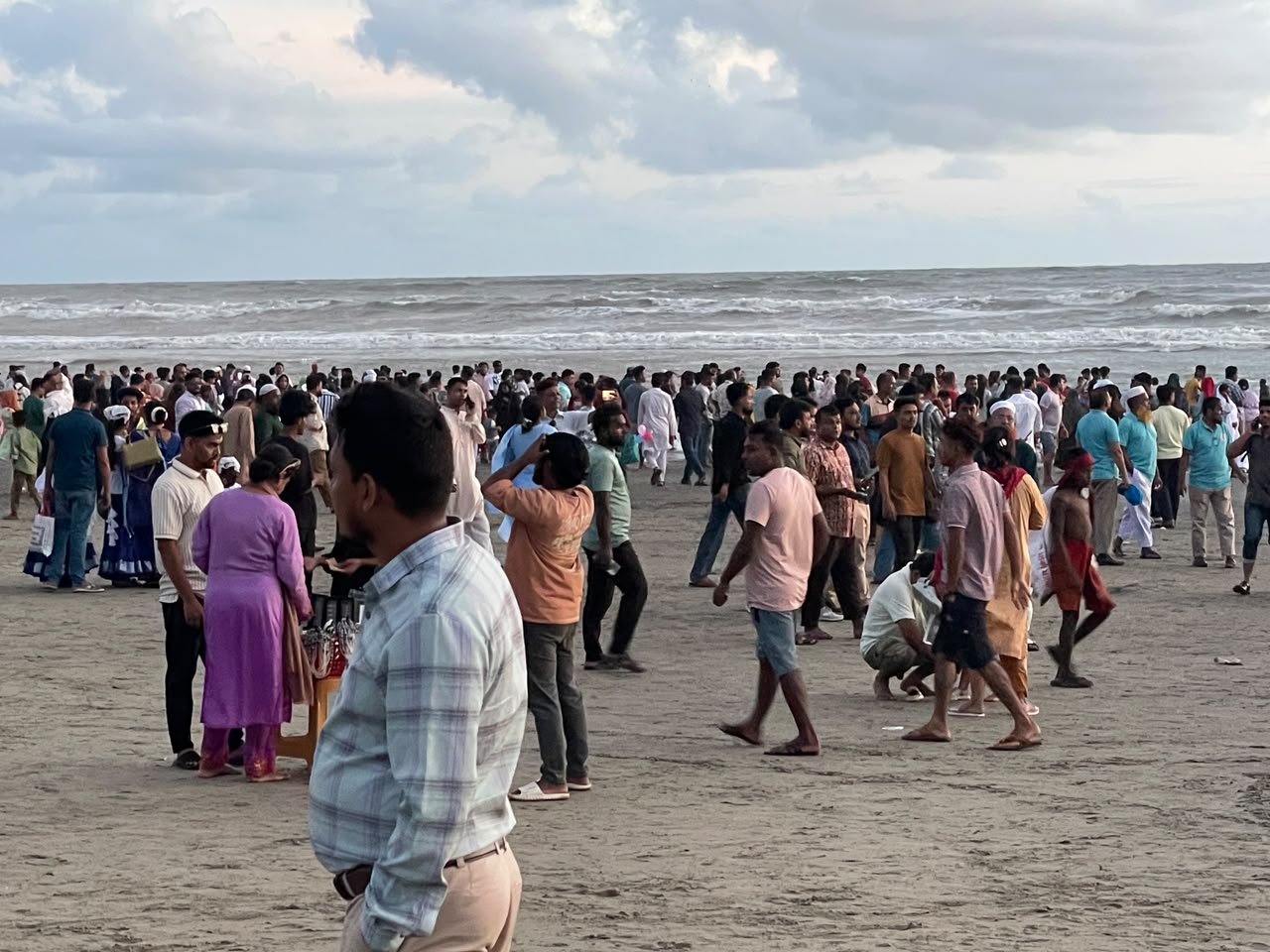
Every year on September 27, countries around the world observe World Tourism Day to highlight the importance of tourism to economies, societies and cultures. But in Cox’s Bazar, one of Bangladesh’s best-known tourist destinations, many people involved in the tourism business still know little about the history and purpose of the day.
The date dates back to the establishment of the international framework for global tourism cooperation.
On September 27, 1970, the World Tourism Organisation adopted its statutes. Nearly a decade later, in 1979, the organisation’s General Assembly decided in Torremolinos, Spain, to introduce World Tourism Day. The day was first observed in 1980.
September 27 was selected to commemorate the adoption of the organisation’s statutes and to draw international attention to tourism and its growing importance.
The day is therefore not simply about encouraging people to travel or arranging tourism fairs. Its broader purpose is to create awareness of tourism’s social, cultural, political and economic significance.
Over the years, World Tourism Day has become an occasion to discuss how tourism contributes to employment, local economies, cultural and heritage preservation and interaction among people.
A history that remains little known
Despite Cox’s Bazar being a tourism-dependent district, many local people remain unfamiliar with the history and wider significance of World Tourism Day.
A three-day tourism fair is being held at Laboni Point from September 25 to 27 this year, featuring cultural programmes, folk music, a fire show, band performances, a musical night and Rakhine dance.
But for some local businesses and visitors, the day is mainly associated with the annual fair.
“I do not know much about World Tourism Day. Every year, I learn that September 27 is the day from seeing the fair,” said Jaker Hossain, a shell-products trader at Sugandha Point.
He said more tourists meant more business for local traders and called for greater awareness among tourism-related businesses.
A hotel and guesthouse businessman in Cox’s Bazar said he knew September 27 as World Tourism Day but was unaware of its wider significance.
“Basically, we remain busy with tourists and our businesses. But people should know that the day is also an international initiative to raise awareness about tourism, the local economy and a tourism-friendly environment,” he said.
Tourist Shamim Kaiser, who came to Cox’s Bazar from Dhaka’s Banasree, said he learned about the day after seeing the fair.
He emphasized the need to inform people about the day’s significance.
From travel to economic development
The history of World Tourism Day reflects a broader shift in how tourism is viewed internationally.
Tourism is no longer considered merely a leisure activity. Its economic, social and cultural dimensions have increasingly become part of policy discussions.
Moinul Hasan Palash, head of the Department of Tourism and Hospitality Management at Cox’s Bazar City College, said locals needed greater exposure to tourism and tourists’ experiences.
He said the local community had yet to become sufficiently tourism-friendly because of historical, educational and economic factors.
According to him, people in Cox’s Bazar had traditionally remained relatively self-reliant in their economic activities and had less exposure to travelling to other parts of the country. This limited their experience as tourists and, consequently, their understanding of tourists’ expectations.
He also pointed to limited educational opportunities and the relatively low participation of local people in major tourism businesses.
Businesses from different parts of the country are involved in large tourism activities in Cox’s Bazar, he said, while many local people do not consider themselves partners or beneficiaries of those businesses.
Why the history matters for Cox’s Bazar
For Cox’s Bazar, the history and purpose of World Tourism Day are especially relevant.
The district is internationally known for its long natural sea beach, but its tourism potential extends beyond the beach. Its hills, islands, forests, rivers, Rakhine culture, local food, and coastal lifestyle could offer a broader tourism experience.
Rafi Al Imran, a tourism researcher, emphasised the need to incorporate the district’s diverse attractions into its tourism offerings.
He said new destinations should be promoted through digital platforms, while ensuring reliable information, safety, and convenient travel facilities.
The 2026 World Tourism Day theme, “Digital Agenda and Artificial Intelligence to Redesign Tourism,” places technology at the centre of the discussion.
The theme focuses on how digital transformation and artificial intelligence are changing destination selection, tourism operations and travel experiences.
For Cox’s Bazar, this could provide an opportunity to move beyond its traditional dependence on the sea beach by using digital platforms to introduce lesser-known destinations and local culture to potential visitors.
From a global idea to a local challenge
The evolution of World Tourism Day shows how an international initiative has gradually become a platform for discussing tourism’s wider role.
Bangladesh, however, still faces challenges in turning its tourism potential into higher international tourist arrivals and earnings.
A report published in an English-language daily on September 26, 2025, quoted Tour Operators Association of Bangladesh president Rafiuzzaman as saying that Bangladesh had more than 1,200 tourism destinations, but visitor numbers remained below expectations. The report also pointed to weak branding and inadequate infrastructure.
Meanwhile, Civil Aviation and Tourism Minister M Rashiduzzaman Millat told parliament on August 30 that around 1,498 tourism destinations had been identified and work was under way to finalise an integrated tourism master plan.
The government plans to develop the destinations in an environmentally friendly, sustainable and planned manner.
Tourism earnings also remain relatively low. According to the English-language daily report, citing Asian Development Bank data, Bangladesh earned $440 million from foreign tourists in 2024, compared with $453 million in 2023.
Remembering the purpose of the day
In Cox’s Bazar, the history of World Tourism Day is, therefore, more than a historical fact. It raises a question about how the district understands and manages tourism.
HM Nazrul Islam, member secretary of Cox’s Bazar Nagrik Andolon, suggested that educational institutions could organise discussions on the history of World Tourism Day, along with quizzes, essay competitions and exhibitions on local tourism destinations.
He also called for social-media campaigns, workshops on local culture and heritage and training for tourism workers.
Young people, he said, could be trained in digital content creation, tour guiding, photography, video production, online marketing and artificial intelligence.
Such initiatives could connect the historical purpose of World Tourism Day with Cox’s Bazar’s current needs.
Deputy Commissioner Md A Mannan said the administration was involving local people, tourism businesses and hotel and resort owners in the World Tourism Day programmes.
He said efforts were underway to promote Cox’s Bazar’s tourism potential, raise awareness among local people, and introduce new destinations through digital platforms.
Therefore, the challenge for Cox’s Bazar, more than four decades after the first observation of World Tourism Day, is not simply to celebrate September 27.
It is also to understand why the day was created in the first place — and to translate that purpose into greater awareness, wider local participation and more sustainable tourism.
Tarekur Rahman
Photo: Abdu Rashid Manik