
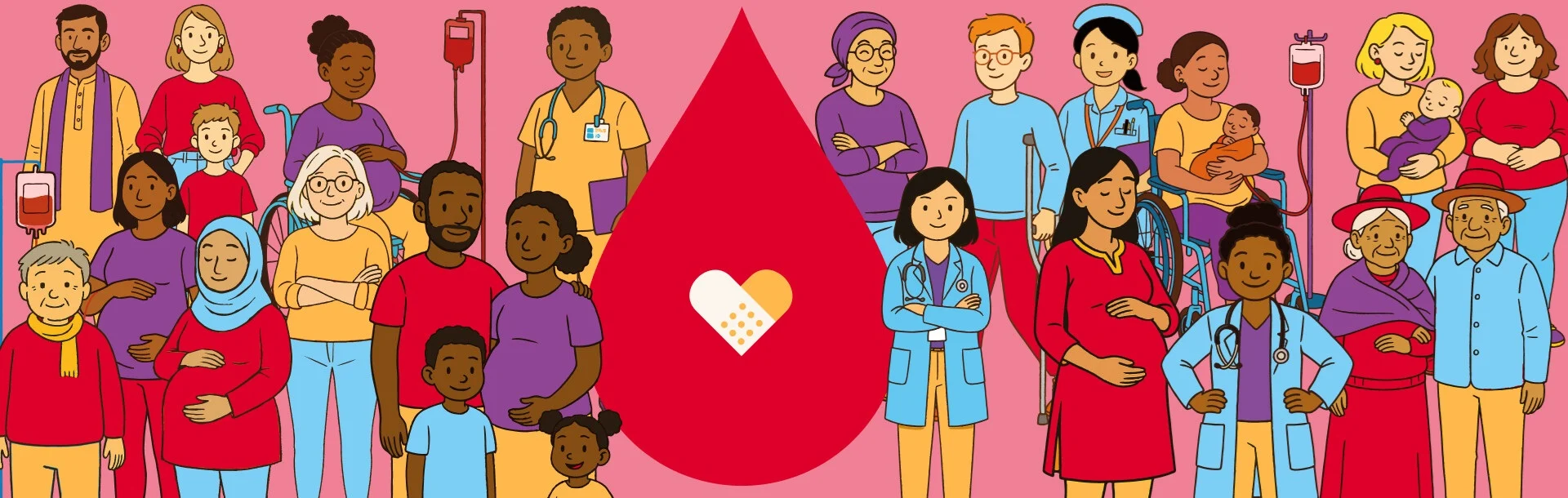
Donating blood is a noble act—one that has saved countless lives. There was a time when fear and misinformation surrounded blood donation, often leading to tragic consequences due to blood shortages. In many cases, patients’ families had to spend thousands of taka to procure a single bag of blood.
Thankfully, with the advent of digital platforms and awareness campaigns led by young volunteers and humanitarian organisations, attitudes have changed. Today, people from all walks of life donate blood freely and voluntarily.
However, experts emphasise that specific medical and procedural guidelines must be adhered to to ensure the safety of both donors and recipients. Not everyone is eligible to donate blood, and careful screening is essential.
Generally, individuals between the ages of 18 and 65 who weigh at least 50 kilograms are considered suitable for blood donation. Donors must be in good health on the day of donation, free from fever, infections, or other illnesses that could compromise their health. Blood pressure and haemoglobin levels must fall within acceptable ranges, with a haemoglobin count of no less than 12.5 grams per deciliter.
Medical history plays a crucial role in determining eligibility. Individuals with communicable diseases such as hepatitis B or C, HIV/AIDS, syphilis, or malaria are permanently disqualified from donating. Those undergoing treatment with certain medications, such as antibiotics or insulin, may also be deemed temporarily unfit to donate.
Recent major surgeries or tattoos typically require a waiting period of at least six months before one can donate blood. Pregnant or breastfeeding women are not eligible. Furthermore, there must be a minimum interval of three months between donations for men, with a longer gap often advised for women. Persons with substance abuse issues are barred from blood donation altogether.
Proper preparation and aftercare are also essential. Donors are advised to eat a light meal before donating and to rest for 15 to 30 minutes afterwards, staying well-hydrated. Maintaining hygiene throughout the process is crucial, and ensuring that sterile equipment is used is vital to prevent infection or contamination.
As World Blood Donor Day is observed worldwide, healthcare professionals and blood banks continue to urge the public to come forward and donate, emphasising that adhering to standard medical guidelines is crucial for maintaining a safe and sustainable blood donation system. With only a few minutes of time and care, donors have the power to save lives—a contribution that remains unmatched in its impact.
Author: Mahabub Kawsar, Social Activist and Founder, Hasi Mukh Youth & Social Development Foundation.
Photo: WHO