
A sudden high fever followed by a rash on your child’s body can be alarming. In many cases, this may indicate Measles, a highly contagious viral illness. However, with proper awareness and timely care, it is manageable and rarely life-threatening.
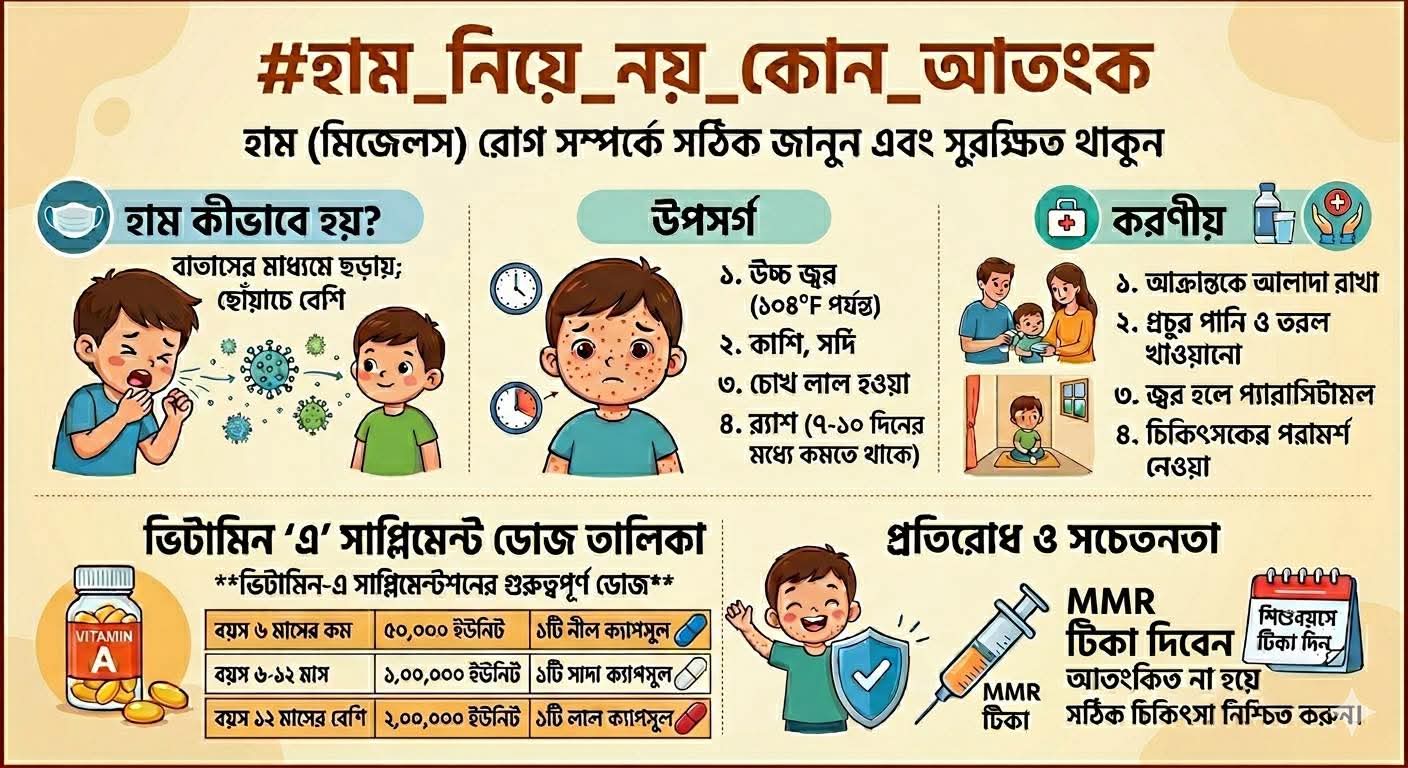
Measles spreads through droplets released when an infected person coughs, sneezes, or even breathes. The virus is extremely infectious—up to nine out of ten unvaccinated individuals exposed to it may contract the disease.
The symptoms are usually clear. A high fever, sometimes reaching 104°F, is often the first sign. This is followed by a persistent dry cough, runny nose, and red or inflamed eyes, a condition known as Conjunctivitis. Within a few days, a rash typically appears on the face and neck before spreading across the body. The rash usually develops around the fourth day of fever and fades within a week to ten days.
While adults generally experience fewer complications, children under five are more vulnerable. In severe cases, measles can lead to complications such as Pneumonia or even Encephalitis, which can be life-threatening.
There is no specific antiviral treatment for measles, as it is a viral disease. Care is mainly supportive. Adequate rest, proper hydration, and good nutrition are essential. Oral rehydration solutions and fluids like coconut water can help maintain hydration. Isolation is also important—infected children should be kept in a separate room for one to two weeks, with mask use to prevent spread.
Medications such as Paracetamol can be used to control fever, while antihistamines may help ease symptoms under medical advice. Zinc supplements are often recommended to boost immunity.
One of the most crucial aspects of care is Vitamin A supplementation. Measles can significantly reduce Vitamin A levels in the body, increasing the risk of complications, including vision problems. Doctors usually prescribe two doses over two days, with the dose adjusted according to the child’s age.
Prevention, however, remains the most effective strategy. MMR vaccination provides strong protection. Parents should ensure their children receive routine immunisation on time.
The reassuring fact is that about 99 percent of patients recover fully within one to two weeks with proper care. There is no need for panic—only awareness, timely medical attention, and responsible caregiving.
Author: Dr. Ripon Chowdhury, MBBS, BCS, CCD
MD (Resident), Cox’s Bazar Sadar Hospital