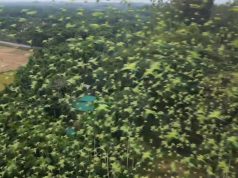

Even before the first light of dawn, the sandy stretches surrounded by jhau forests at Kabita Chattar come alive with activity.
With the arrival of winter, the area turns lush and green as seasonal vegetables thrive on the sandy land.
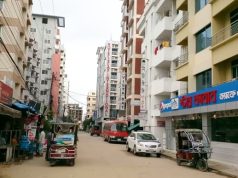
Cutting through the morning fog, farmers harvest fresh produce from the fields, carefully loading it onto vans before setting out to sell door to door in nearby neighbourhoods.
These temporary farmers cultivate vegetables mainly during the winter season, making productive use of the open sandy patches amid the casuarina forest.
Vegetables picked at dawn reach local households within hours, ensuring residents receive farm-fresh produce without the hassle of visiting markets.
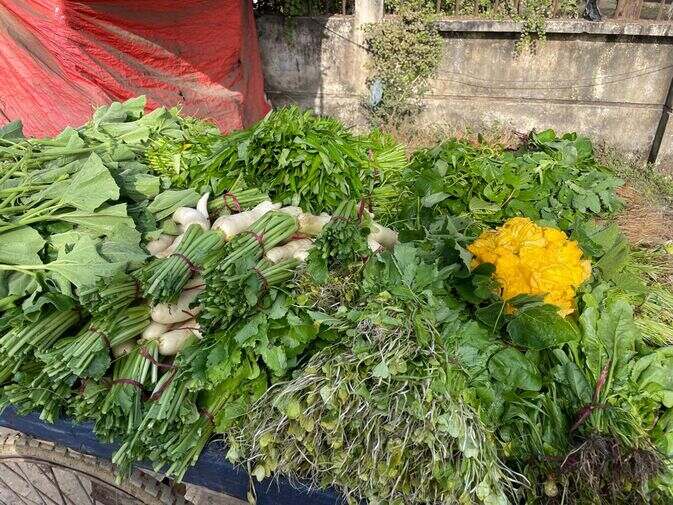
A glance at the vans reveals a colourful assortment of freshly harvested greens—radish, radish leaves, water spinach, mustard greens, along with pumpkin flowers and leafy shoots.
None of it comes from cold storage or long-distance transport. From field to van, and straight into the kitchen, freshness is the farmers’ greatest strength.
Prices remain affordable as well. With local production, minimal transport costs, and no middlemen involved, residents can buy quality vegetables at reasonable rates.
Many locals eagerly await these vans, confident in the taste and nutritional value of freshly harvested produce.
Farmers say the winter season is their busiest period. Though temporary, this farming plays a vital role in sustaining their livelihoods, while also supplying the community with safe and fresh food.
Amid the bustle of the city, the green fields rising from the sandy land of Kabita Chattar and the sight of dawn-time vegetable vans offer a glimpse of rural Bangladesh—kept alive through hard work and harmony with nature.
By Abdu Rashid Manik
Photo: Abdu Rashid Manik