
A different scene has emerged at the sea beach in Cox’s Bazar during the holy month of Ramadan.
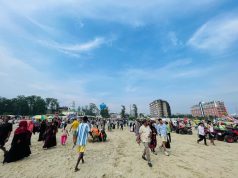
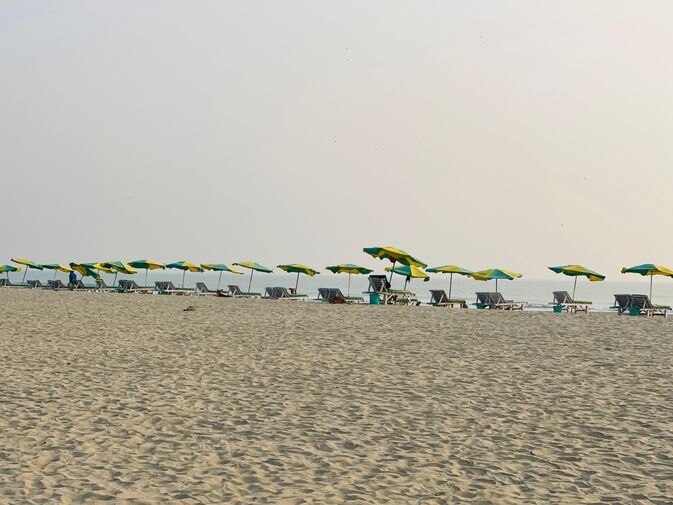
The shoreline, usually abuzz with tourists from morning until dusk, now lies in notable silence. Rows of beach chairs, known as kitkot chairs, remain neatly arranged on the sand, yet most of them sit unoccupied.
A visit to the beach revealed sparse crowds stretching from Laboni Point to the Sugandha and Kolatoli areas.
Only a handful of residents and a few tourists strolled along the shore. The usual bustle of selfie-takers, horse rides, and beach bikes was largely absent.
Ali Ullah, who rents out beach chairs, said tourist numbers decline every Ramadan, but this year the turnout appears even lower. “Sometimes we sit the entire day without renting out a single chair,” he said, adding that their income has nearly come to a halt.
Hotel and restaurant operators echoed similar concerns, noting that many people avoid travelling during Ramadan. Stakeholders also pointed to ongoing academic schedules and the prevailing heat as contributing factors behind the reduced footfall.
Despite the slowdown, locals remain hopeful that the final phase of Ramadan and the upcoming Eid al-Fitr will bring back large numbers of tourists. They expect the world’s longest natural sea beach to regain its vibrancy as holidaymakers return to Cox’s Bazar in the festive period.
By Mohammad Morshed
Photo: Mohammad Morshed