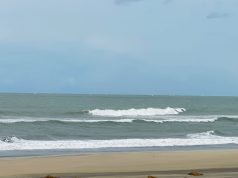

During Ramadan, the world’s longest natural sea beach at Cox’s Bazar has taken on a different appearance. With fewer tourists, a calm silence has settled across the shoreline, allowing nature to return to its rhythm and natural beauty.
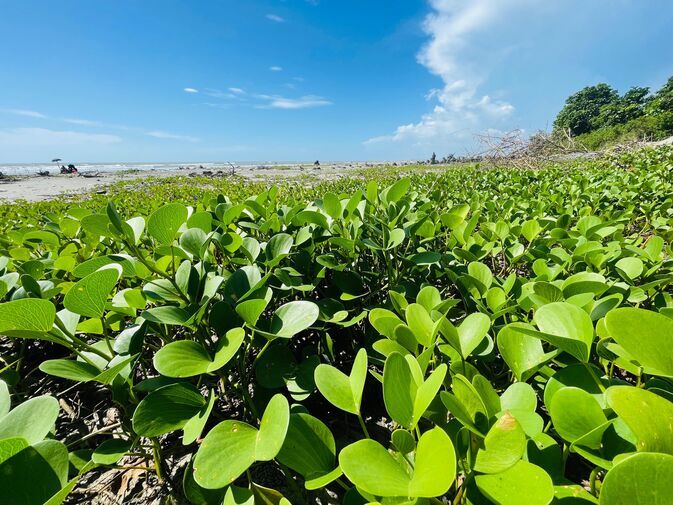
Across the vast dunes, Sagarlata and various native plants have begun to flourish. Nurtured by salty sea air and soft sand, these creeping plants have formed a striking natural carpet. The shimmering green vines under sunlight create a breathtaking landscape, set against the blue waves of the Bay of Bengal.
Local youth Harun said that during Ramadan, the beach remains comparatively clean and peaceful due to fewer visitors. “Nature seems to find some relief,” he noted. Many families visit in the late afternoon for a quiet walk before breaking their fast.
Nature lovers emphasize that this period is important for maintaining the beach’s ecological balance.
The Sagarlata growing on the dunes plays a significant role in protecting the shoreline and preventing erosion. Therefore, everyone must act responsibly to conserve these plants.
Observers hope to extend the peaceful atmosphere of Ramadan beyond a single month. Preserving the natural beauty of the beach requires care, awareness, and a sense of responsibility rather than noise and overcrowding.
By Mohammad Morshed
Photo: Mohammad Morshed