
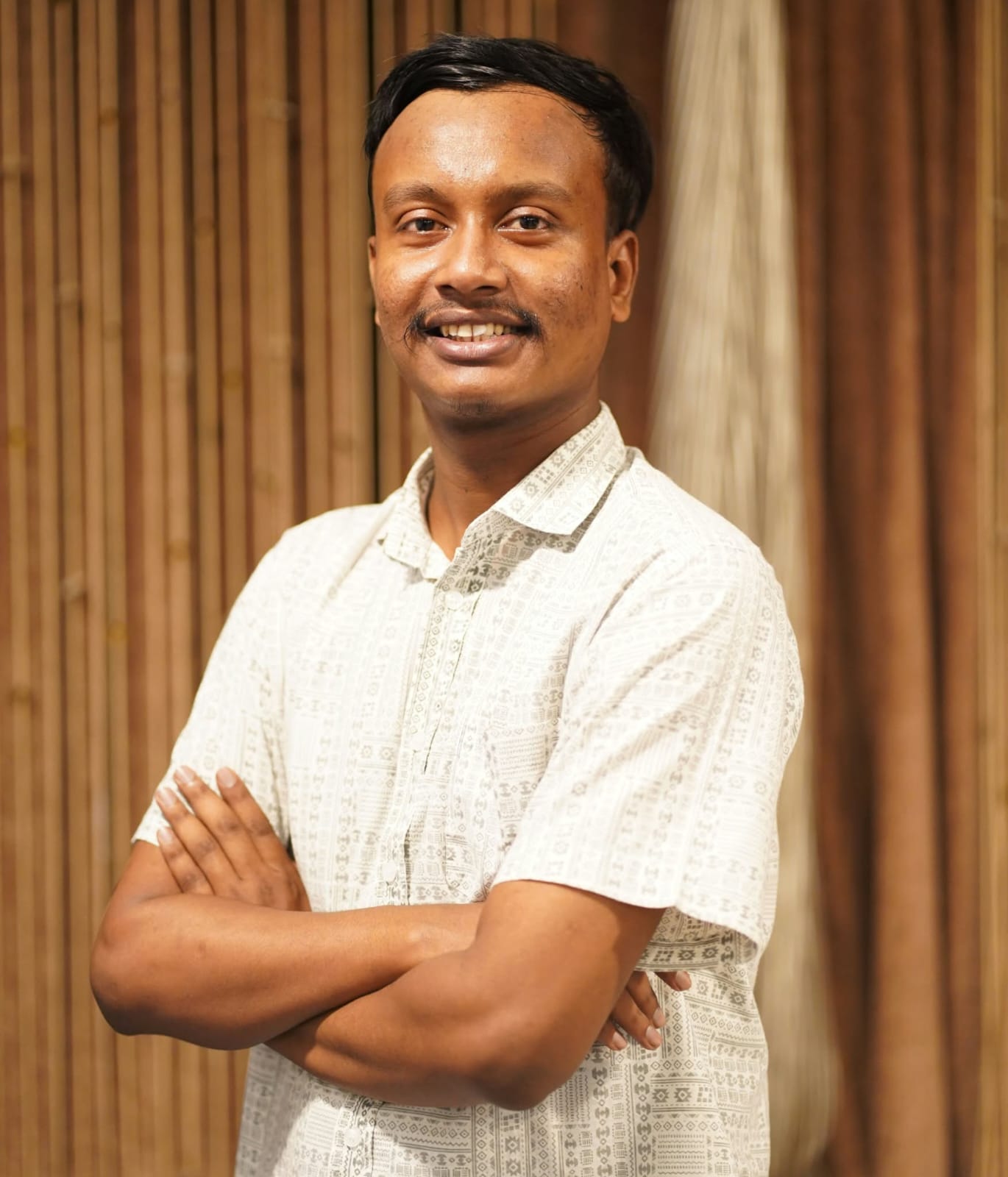
Young climate activist Jimran Mohammad Saiak is set to attend the 31st United Nations Climate Change Conference (COP31) in Antalya, Türkiye, from November 9 to 20, 2026, committed to bringing the experiences, rights, and demands for justice of Bangladesh’s climate-vulnerable coastal communities to international climate discussions.
He plans to highlight climate justice, equitable climate finance, the rights of coastal communities and meaningful youth participation in climate policymaking.
Cox’s Bazar, one of Bangladesh’s most climate-vulnerable regions, is facing multiple impacts of climate change. Cyclones, tidal surges, coastal erosion, rising sea levels, soil salinity, and livelihood insecurity increasingly threaten people’s lives, the local economy, and social security.
Saia believes the realities and demands of communities on the front lines of the climate crisis must be adequately reflected in international policy discussions.
He has been involved in climate activism, environmental conservation, youth leadership development and grassroots public engagement for several years. His work includes coastal environment and biodiversity conservation, climate adaptation, sustainable waste management, promotion of renewable energy, and environmental education.
He has also worked to engage local communities, particularly young people, in environmental and climate initiatives and connect grassroots experiences with broader policy discussions.
His activism began through grassroots climate movements in Cox’s Bazar. He has taken part in civic initiatives and campaigns for coastal environmental protection, promoting renewable energy as an alternative to fossil fuel-dependent development, and advancing climate justice.
He has also worked to develop youth leadership, raise awareness and encourage collective action at the local level to address the impacts of climate change.
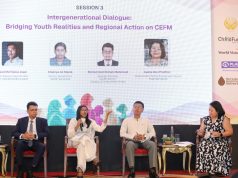
Saiak has previous experience participating in international climate conferences. He attended COP29 in Baku, Azerbaijan, with the support of Youth and Environment Europe (YEE).
Building on that experience, he wants to highlight the realities of Bangladesh’s coastal communities, the limitations of climate adaptation, and the need for effective youth participation in climate policymaking at COP31.
His priorities at the conference include fairness and transparency in climate finance, effective support for loss and damage, stronger adaptation capacity in coastal areas, a just transition to renewable energy, and protecting the rights and participation of climate-vulnerable communities.
He also plans to emphasise implementing climate commitments, international accountability, and adequate support for grassroots initiatives.
Saia believes international commitments alone are not enough to address the climate crisis. Fair financing, effective implementation and accountable action are also necessary.
He said the experiences, needs and rights of communities that contribute least to climate change but suffer its greatest impacts must be placed at the centre of decision-making.
Young people, he added, should not merely be given opportunities to attend discussions but should be recognised as active partners in policymaking and implementation.
Speaking about his participation in COP31, Jimran Mohammad Saiak said, “The communities least responsible for the climate crisis are facing its harshest consequences. One of my key goals is to bring the struggles, experiences and demands for justice of people in coastal areas such as Cox’s Bazar to international climate discussions.
“We want a climate future in which global commitments are matched by fair financing, effective implementation and accountability. The voices of coastal communities must not remain confined to discussions; they must receive due consideration in global policymaking and decision-making,” he added.
By Mohammad Morshed
Cox’s Bazar Life Photo