
Noise pollution, uncontrolled vehicles and traffic congestion spoil visitors’ experience
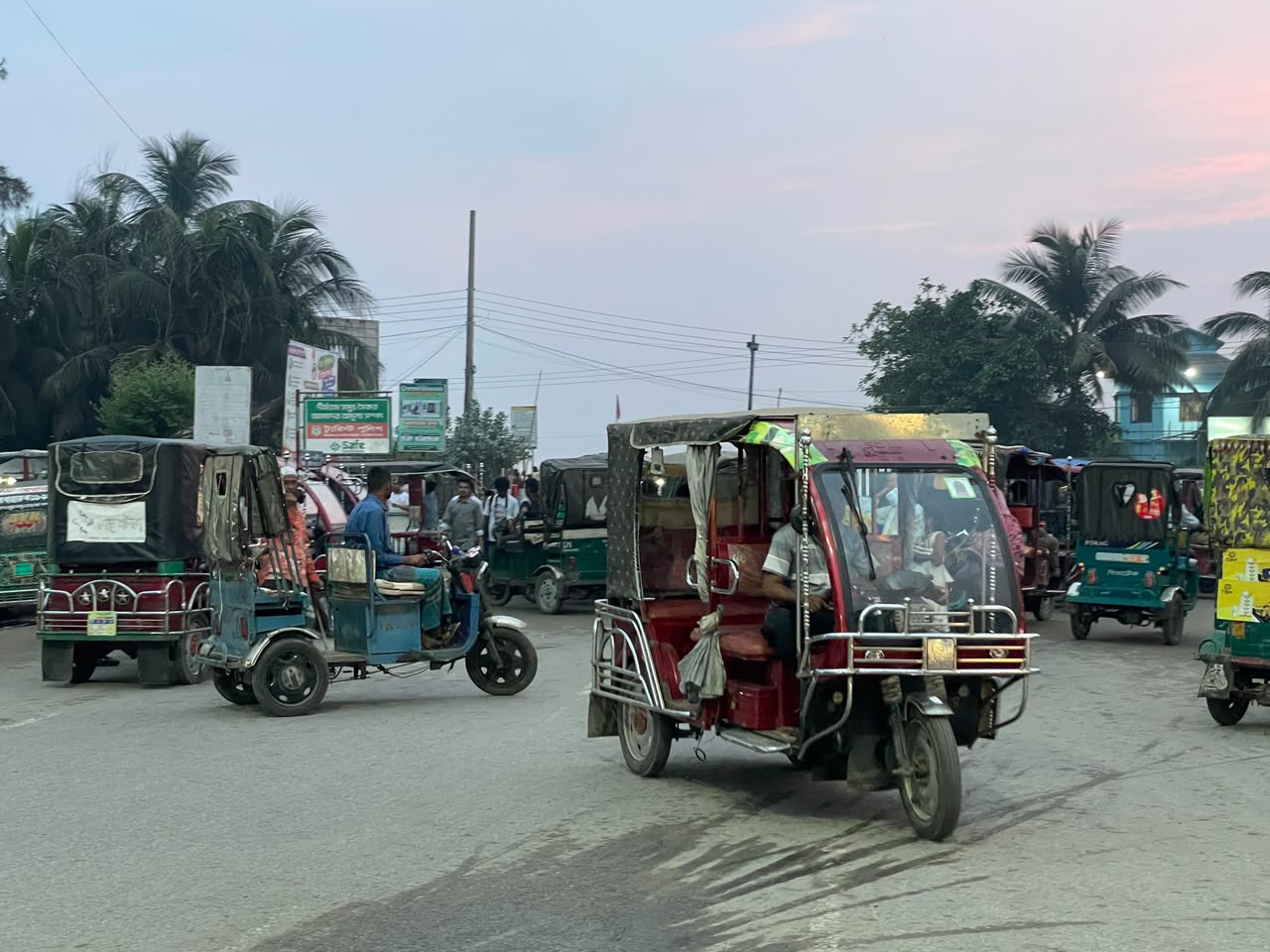
Tourists heading to Kolatoli, Laboni and Sugandha points of Cox’s Bazar sea beach are greeted by rows of battery-run easy-bikes, auto-rickshaws and CNG-run auto-rickshaws, along with the incessant honking.
Drivers shout at them in an attempt to attract passengers: “Where are you going?”, “Will you go, brother?” and “Come in my vehicle.”
Many visitors feel uncomfortable with such an environment at the entrance to the country’s leading tourist attraction.
Unrestricted vehicle movement, indiscriminate parking, repeated calls for passengers, and excessive honking contribute to noise pollution and traffic congestion around the beach. The situation is particularly disruptive at the entrances to Laboni and Sugandha points and on nearby roads.
As a result, tourists who come to enjoy the sea, fresh air and natural beauty face inconvenience even before reaching the beach.
Visitors complain that the gathering of vehicles and drivers’ constant calls spoil the surroundings. Families with children also struggle to cross roads, while horn noise makes ordinary conversations difficult near the beach.
They say the disorder at the entrances is damaging Cox’s Bazar’s image, which attracts thousands of visitors from across the country every day.
Mustafa Rahman, a tourist from Dhaka, said the scene at the beach entrance was disappointing.
“The first thing I see after arriving at the beach is not very pleasant. Vehicles are everywhere, with horns honking and drivers shouting. It is difficult even to walk comfortably. Vehicle movement and parking at the entrance to a tourist spot should be better organised,” he said.
Another visitor, Rahama Soltana, who was travelling with her family, said the noise and congestion were particularly irritating for people visiting with children.
“We come to the beach to spend some quiet time with our children. But there are so many vehicles and so much horn noise at the entrance. Several drivers shout at the same time, making it difficult to move around. Separate places for picking up and dropping off passengers and proper parking facilities are needed,” she said.
Drivers, however, say competition for passengers and a lack of designated parking spaces contribute to the situation.
Rickshaw driver Aditya Barua said drivers competed to attract passengers, with some shouting and others moving their vehicles forward to get ahead.
“This creates congestion. The situation could improve if there were designated places to park vehicles and everyone followed the rules,” he said.
CNG driver Harunur Rashid said drivers often had to stop wherever they found passengers because there were no adequate designated parking spaces.
He said congestion could be reduced if all drivers followed traffic rules.
Drivers also said vehicle pressure increased during the tourist season and holidays. Without designated passenger pick-up and drop-off points and adequate parking facilities, vehicles often occupied the roads and created congestion.
Beach workers also acknowledged the problem. They said drivers returned to the same places with their vehicles shortly after being asked to leave.
Mahbub Alam, a supervisor of beach workers, said they regularly removed vehicles parked illegally near the entrances, but drivers soon returned.
“We remove them, but they start parking in the same places again immediately. We have many other responsibilities, including work along the beach. It is difficult to keep watch at the entrances all the time,” he said.
Why are noise and congestion increasing?
Those concerned with the issue cite several reasons, including indiscriminate parking, inadequate arrangements for passenger pick-up and drop-off, competition among drivers, unnecessary honking and a lack of regular monitoring.
Battery-run easy-bikes, auto-rickshaws, CNG-run vehicles and other transport share the same areas, putting additional pressure on the roads. Drivers often wait near the entrances to attract passengers, while vehicles behind them become stuck when passengers get on or off.
Unnecessary honking and loud calls to attract passengers are also contributing to noise pollution. Tourists, beach workers, businesses and local residents all face the resulting disturbance.
Tourism businesspeople say removing vehicles from the entrances alone will not provide a lasting solution. They call for planned traffic management, designated parking areas and regular monitoring.
Tourism businessman Belal Chowdhury said parking should be arranged away from the beach entrances, with separate places for picking up and dropping off passengers.
He also called for regular drives against unnecessary honking, enforcement of a code of conduct for drivers and better coordination among tourist police, traffic police, beach workers, the municipal authorities and the administration.
A clean and orderly environment at the entrances would reduce visitors’ inconvenience and help protect Cox’s Bazar’s image as a tourist destination.
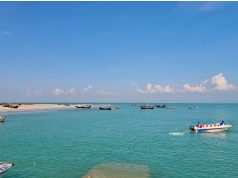
Tourists come to see the waves and blue waters of the Bay of Bengal, but their experience is often marred before they reach the beach. They are calling for effective measures to manage the environment at the entrances and protect the beach itself.
By Abdu Rashid Manik
Photo: Abdu Rashid Manik