
Cox’s Bazar’s tourism economy has created livelihoods for thousands of local people, but young entrepreneurs say they need greater opportunities to participate in and benefit from the sector.
The world’s longest natural sea beach has become the centre of a large tourism-based economy, supporting businesses ranging from hotels, restaurants and transport services to dried fish, marine fisheries and handicrafts.
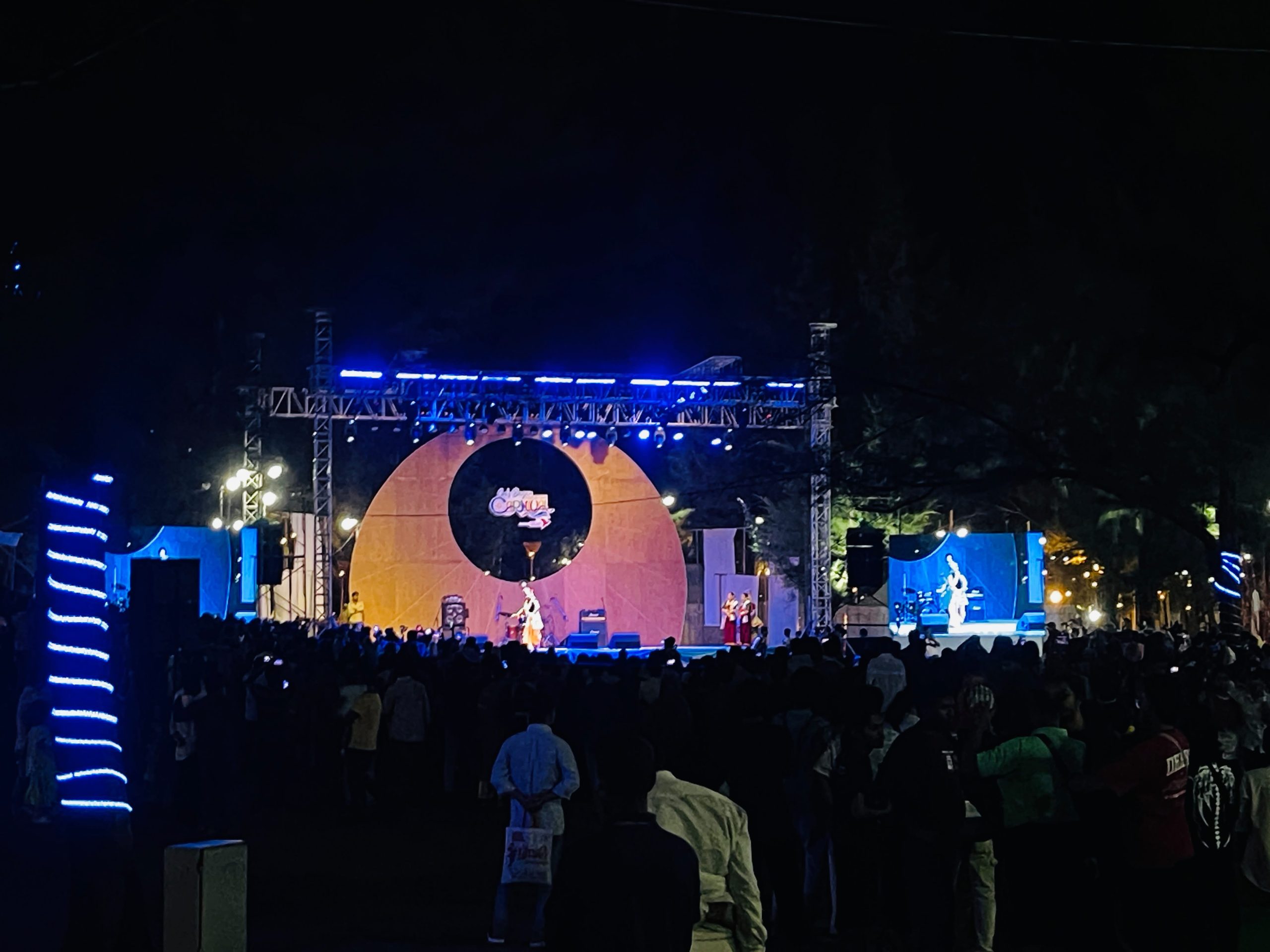
However, questions remain about how much of the sector’s enormous economic potential reaches local communities. The issue has gained renewed attention following the launch of the three-month Cox’s Bazar Tourism Carnival 2026, particularly regarding participation and opportunities for local entrepreneurs.
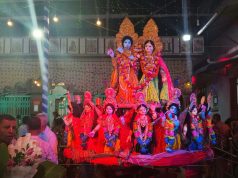
The carnival has been organised to attract tourists, encourage longer stays and boost the local economy. It features entertainment programmes, food stalls and opportunities for local businesses to showcase and sell their products.
But small and medium-sized local entrepreneurs say such large-scale events should offer more opportunities for them to participate.
Young entrepreneur Sajib said greater participation and better facilities for local entrepreneurs at the tourism carnival would encourage them to invest further and expand their businesses.
“This would not only help develop the local tourism industry but also create new employment opportunities,” he said.
Women entrepreneur Yasmin said entrepreneurs like her should be more closely involved in the carnival.
Although some local entrepreneurs have been given opportunities to operate stalls, she said greater participation would help promote local products and services and create opportunities for business expansion.
Some local businesspeople are also questioning whether adequate business opportunities, participation and fair market access are being ensured for small entrepreneurs despite large investments and major tourism events.
They said it was important to assess how much importance was being given to local products, food, handicrafts and culture at major events such as the carnival.
Tourism-sector stakeholders said Cox’s Bazar’s tourism economy goes far beyond hotels and restaurants. Fishermen, boatmen, beachside small traders, photographers, transport workers, local food producers and handicraft makers are all connected to the sector.
Greater participation of these groups in tourism planning and management, they said, could ensure more of tourism’s benefits reach the local economy.
Bangladesh Parjatan Corporation Chairman Md Shamimuzzaman, speaking at the carnival’s opening, said Cox’s Bazar had enormous potential for tourism development.
He said the corporation had not yet been able to upgrade its own facilities to the desired standard, while private entrepreneurs had developed modern hotels, motels and tourism services. He added that more initiatives were needed to improve tourism infrastructure and service quality.
Reserved women’s seat lawmaker Advocate Shamima Ara Swapna said tourism provided a livelihood and employment for thousands of people in the region.
She stressed the need for collective participation by local communities, businesses and other stakeholders alongside tourism development, while also prioritising the protection of the beach, biodiversity and the natural environment.
Organisers hope the three-month carnival will create new opportunities for small local entrepreneurs, businesses, artists and cultural workers. They expect longer tourist stays to expand business in hotels, motels, restaurants, transport and related sectors.
However, a broader question remains: is increasing tourist numbers alone enough to measure tourism development?
Or should ensuring that a significant share of tourism-generated income reaches local communities and that local entrepreneurs have a meaningful stake in the tourism economy also be considered a measure of development?
Tourism experts and local businesses say sustainable tourism will require training for local people, access to loans on easier terms, allocation of business spaces, expanded markets for local products, and opportunities for local communities to participate in tourism planning.
They also stressed the need to consider giving local people priority in tourism-related employment.
As various initiatives are being taken to bring Cox’s Bazar’s tourism sector up to international standards, the three-month tourism carnival is part of that broader effort.
But local businesses and entrepreneurs are now watching to see how much of the carnival’s benefits and wider tourism expansion will reach local communities, how much local entrepreneurs will gain, and whether their economic participation in the tourism sector will increase.
Without ensuring meaningful local participation and economic partnership, building a sustainable tourism industry in Cox’s Bazar will remain difficult.
By Mohammad Morshed
Photo: Mohammad Morshed