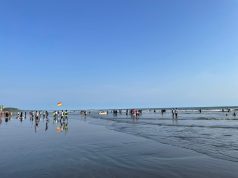

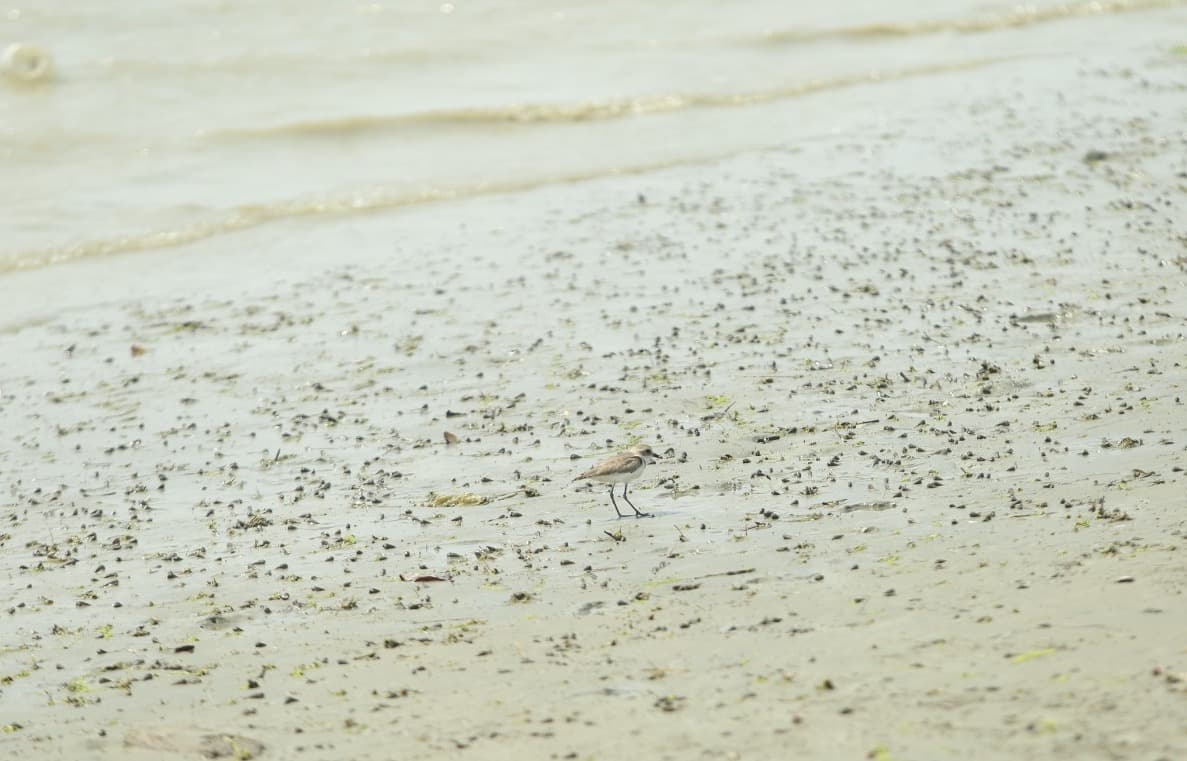
Along the banks of the Reju Khal in Cox’s Bazar, Bangladesh, the presence of sandpipers is a remarkable natural spectacle. Influenced by the ebb and flow of the tides, this coastal region becomes a feeding haven for these migratory birds, offering an abundance of crabs, snails, mollusks, and insects—their primary sources of nourishment.
Seawater surges into the river and surrounding wetlands as the tide rises, prompting various small creatures to emerge from their burrows. When the water recedes, many burrow back into the mud or sand, but many remain exposed along the shore. This is when sandpipers arrive, skillfully foraging for food along the coastline.
In the tidal flats and estuarine areas of Reju Khal, sandpipers use their long beaks and slender legs to probe the mud and sand, unearthing hidden prey. This feeding behavior is essential to their ecological cycle, allowing them to sustain themselves throughout their seasonal migrations.
For locals and tourists, watching sandpipers feed against the backdrop of the changing tides is a captivating experience.
However, ensuring these birds’ conservation and habitat requires greater awareness and efforts from the local authorities and the community. By fostering a sense of environmental responsibility, sandpipers can continue to thrive in their natural habitat, undisturbed by human interference.
By Rajin Saleh
Photo: Hussain Shetu