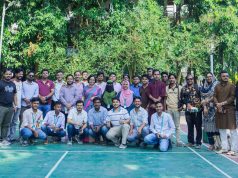

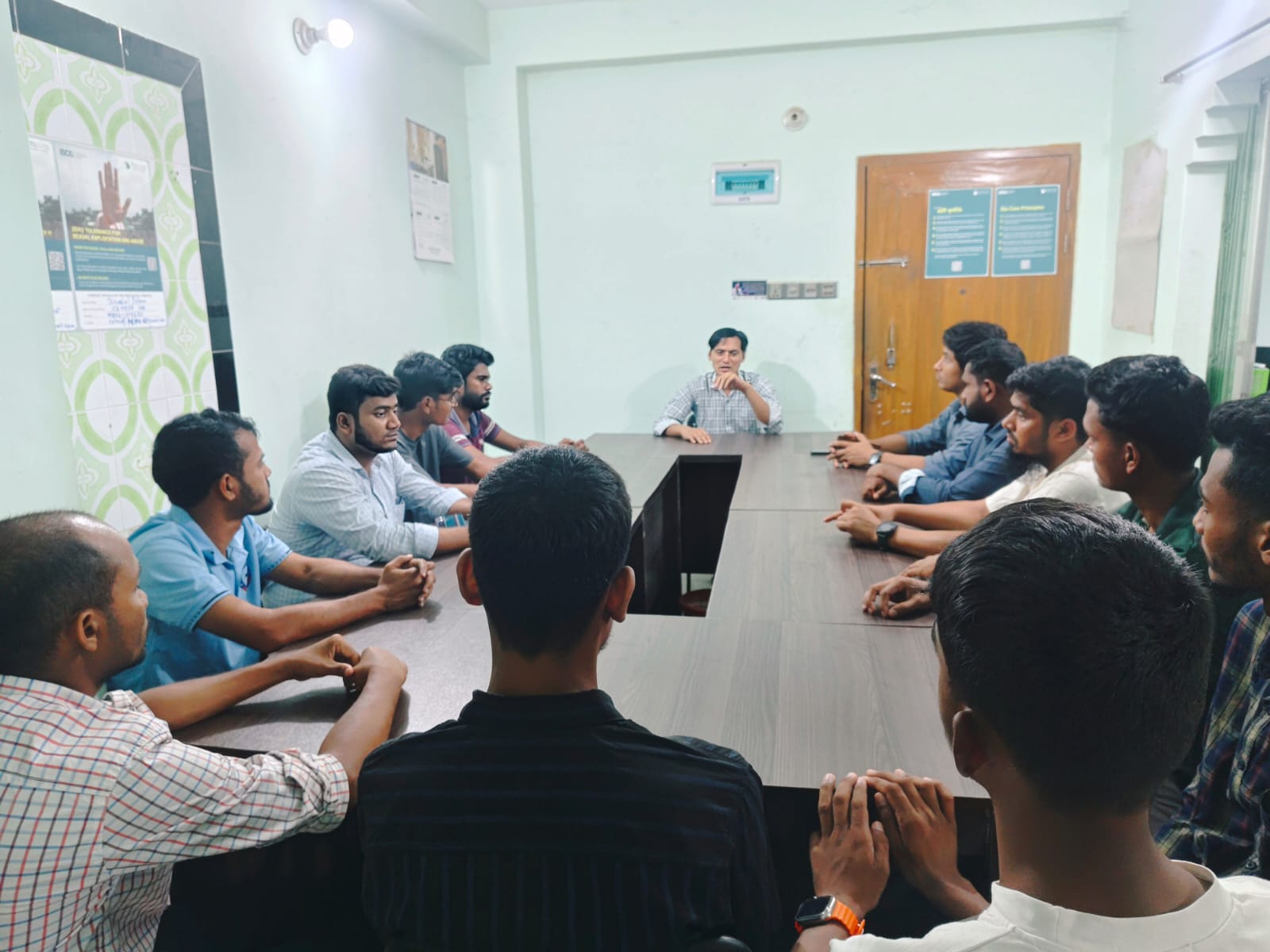
As part of the upcoming “Asian Youth Policy Briefing” for the International Anti-Fossil Fuel Conference in Santa Marta, Colombia, a special youth dialogue was held in Cox’s Bazar.
Organized by the Centre for Environment, Human Rights & Development Forum (CEHRDF), the event highlighted the severe environmental impacts of the Matarbari coal-fired power plant and proposed a series of demands to mitigate the crisis facing local livelihoods.
Presided over by international environmental activist and CEHRDF Chief Executive, Md Ilias Miah, the dialogue brought together youth representatives, students, and environmental activists from various parts of Maheshkhali to discuss local crises within the framework of global climate politics.
In his presidential address, environmental activist Md Ilias Miah stated, “The cry of Maheshkhali will be reflected in the policy briefing we present on behalf of Asian youth in Santa Marta, Colombia. Instead of coal power plants that threaten the environment and public health, a full-fledged seaport should be built at Matarbari. To combat climate change, the government must ensure an ‘Energy Transition’ by generating wind and solar power across the entire coastal belt.”
Ruhul Amin, Deputy Chief Coordinator of CEHRDF and environmental activist, noted, “The coast of Maheshkhali is being pushed toward destruction for private profit. Due to the destruction of salt farms, fisheries, and betel leaf plantations, people are being forced to abandon 250-year-old ancestral homes. As the 6th most climate-vulnerable country, we must ensure development by subsidizing our agriculture.”
Youth activist Raju Ahmed (25) alleged that coal refining is causing irreparable damage to the rivers and the ecosystem. He noted that locals are being obstructed from protesting through threats of legal action and the lure of government benefits. Youth activist Moin (26) added that the production of Maheshkhali’s famous betel leaves has plummeted due to coal pollution.
Environmental worker Saymun Islam highlighted technical concerns, stating, “The coal plant is destroying mangroves and raising the risk of acid rain. This is not just a local issue but an international one.” Environmental activist Yasin Arafat (19) and student Tareq Rahman (18) described this ecological crisis as a direct assault on local survival.
Local environmental worker Anwar remarked, “Contracts are being signed with foreign entities while hiding the true extent of the damage, which will eventually destroy the fish and salt industries of Maheshkhali.” Student Maruf (20) and youth activist Imon (25) criticized the government’s “unaccountable” behavior toward the local population and the indifference of public representatives.
The dialogue outlined a set of key proposals centered on shifting away from coal and prioritizing sustainable alternatives. Participants stressed the need to strongly advocate, on behalf of Asian youth, for a transition from coal to renewable energy at the upcoming conference in Santa Marta, Colombia. They also called for replacing coal-based projects in Matarbari with a seaport and wind and solar power plants.
The discussion further emphasized the importance of protecting local resources, urging effective safeguards and special subsidies for coastal fisheries, salt farming, and betel leaf plantations. At the same time, speakers highlighted the need to secure the rights of displaced communities, calling for the protection of 250-year-old ancestral settlements and the recognition of local inhabitants’ land rights.
CEHRDF leaders called on the government to immediately abandon destructive fossil-fuel policies in favor of sustainable, eco-friendly renewable-energy initiatives.
Cox’s Bazar Life Report
Photo: Courtesy