
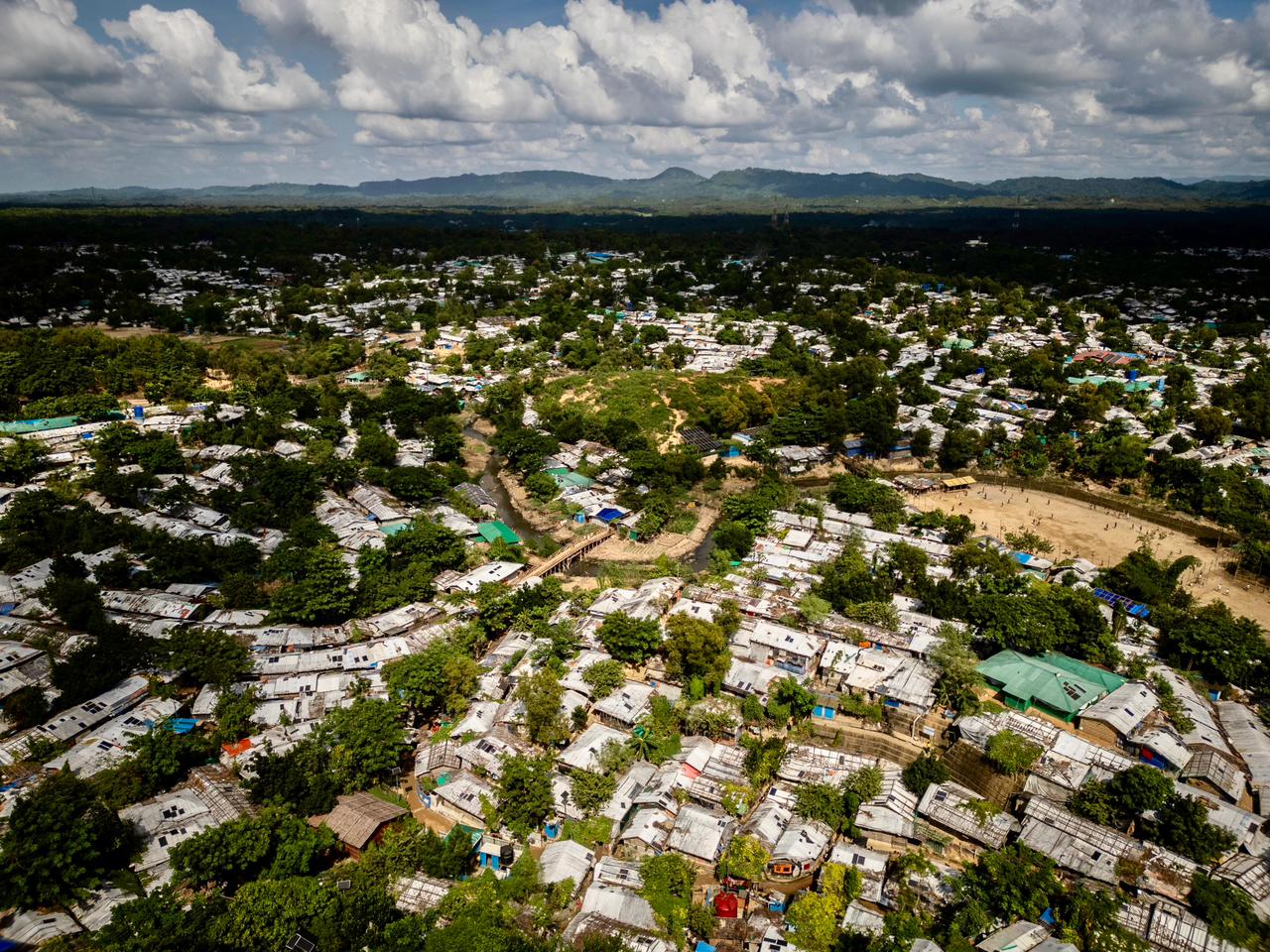
More than a million Rohingya have sought refuge in Bangladesh after fleeing persecution and violence in Myanmar. As other global crises draw international attention, their prolonged ordeal risks fading from the international agenda. The Duchess of Edinburgh’s visit to Bangladesh was therefore welcome. Its significance, however, depends on whether sympathy leads to meaningful humanitarian and political action.
During her November 9–11 visit, the Duchess toured four Rohingya camps in Ukhiya on November 10. She met women and children, visited learning and protection centres, observed disability support services and saw a soap-making initiative involving Rohingya and local women. These encounters brought the daily realities of displacement into sharper focus.
What has Bangladesh gained? A royal visit cannot end displacement or guarantee fresh commitments. But it can restore visibility to an unresolved emergency and remind international audiences that responsibility for the Rohingya has not diminished.
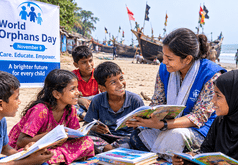
The visit also carried a message of solidarity. At a learning centre, Rohingya student Mohammad Obayed reportedly told the Duchess he hoped to become an engineer and serve his community. His ambition underscores the need to look beyond emergency relief towards education, skills and a future for young refugees.
Funding remains critical. According to British High Commissioner Sarah Cook, the United Kingdom has provided more than £460 million to Rohingya refugees and host communities since 2017. Yet shrinking humanitarian budgets threaten essential services. The Duchess can draw attention to these pressures, but sustained financial commitments require decisions by the British government and other donors.
Her firsthand observations could also inform future policy discussions. Those discussions must account for the economic, social and environmental strain on Cox’s Bazar’s host communities. A durable humanitarian response cannot overlook the people sharing the burden of prolonged displacement.
None of this replaces a political solution. Safe, voluntary and dignified repatriation depends on security, rights and credible guarantees in Myanmar. Britain and other influential countries must maintain diplomatic pressure to help establish those conditions, rather than allowing humanitarian assistance to become a substitute for resolving the crisis.
Bangladesh, for its part, needs a coordinated diplomatic strategy that turns high-profile visits into sustained engagement with donors and international partners. Funding commitments require follow-through, while sustained pressure on Myanmar must remain central to any repatriation strategy.
The Duchess’s visit has opened a diplomatic opportunity, not delivered a solution. Its success must ultimately be judged by sustained humanitarian support and tangible progress towards safe, voluntary and dignified repatriation.
By Salam Abu
Editor