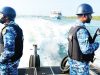


In September 2026, Border Guard Bangladesh seized 1.4 million yaba tablets near Hnila in Teknaf, reportedly worth Tk 420 million. Two people were arrested. In August 2025, four firearms and more than 500 rounds of ammunition were recovered near Khurer Dwip. These seizures do not reveal the full extent of trafficking, but they expose serious threats along the Naf River.
The danger goes beyond smuggling. Police figures indicate that 268 people were kidnapped in Teknaf during the 18 months preceding September 2025. Kidnapping and human trafficking are different crimes, yet the presence of organised criminal networks leaves border communities vulnerable.
The economic damage extends beyond confiscated goods. Smuggling costs the government customs revenue and puts legitimate businesses at a disadvantage. Illegal profits sustain criminal networks, while drug abuse raises healthcare costs and reduces productivity. Persistent insecurity could also undermine confidence among investors and visitors in tourism-dependent Cox’s Bazar. For communities dependent on cross-border commerce, prolonged instability also threatens opportunities for lawful trade and employment.
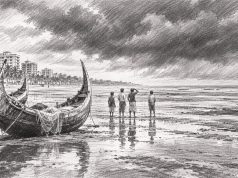
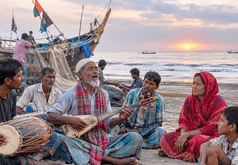
Fishing communities face particularly immediate consequences. Fishing on the Naf was restricted for years over border security concerns. In February 2025, after nearly eight years, fishermen were permitted to return under limits on fishing areas and hours. But safety remained uncertain. In March 2026, the Arakan Army was accused of detaining 13 fishermen and seizing three boats near the Naf estuary. In a separate development that August, 24 detained fishermen returned through BGB efforts. Disruption on the river hurts fishing families, fish markets, boat operators and small businesses alike.
Myanmar’s conflict has compounded the crisis. The Arakan Army’s control of extensive border areas in Rakhine State has complicated established security coordination across the frontier.
More patrols alone cannot solve this problem. Bangladesh needs closer intelligence sharing among the BGB, Coast Guard, police and other agencies, supported by targeted surveillance and regular evaluation. Agencies should strengthen existing coordination and consider a joint intelligence cell where necessary.
Authorities must also follow the money. Seizing shipments achieves little if financiers, facilitators and influential patrons escape scrutiny. Investigations must reach those enabling the trade, regardless of their status.
Border residents, meanwhile, should be partners in security rather than automatic suspects. Safe fishing access, lawful employment and accountable enforcement can rebuild trust. Reliable arrangements are also needed to bring detained fishermen home.
The government needs a practical, coordinated strategy to strengthen border security, dismantle trafficking finances and protect livelihoods. Securing the Naf means confronting criminal networks without abandoning the communities whose lives depend on the river. Residents deserve visible progress, not another round of assurances.
By Salam Abu
Editor