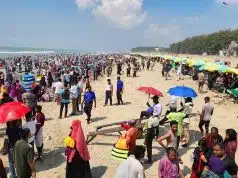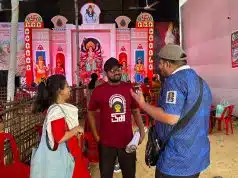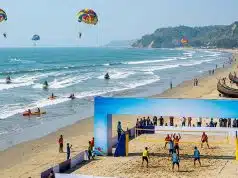

Cox’s Bazar’s appeal extends beyond its beach. For generations, Rakhine communities and the Chakma, Marma, Tanchangya and other peoples of neighbouring hills have enriched the region through their languages, food, festivals and crafts. Their heritage deserves a place in tourism planning.
According to the 2022 Population and Housing Census, Cox’s Bazar has 14,881 ethnic minority residents, just 0.64% of its population. These communities face mounting pressure on their homes, livelihoods and traditions. The Rakhine Buddhist Welfare Association records a decline from 113 Rakhine settlements to only 23, amid evictions, land disputes and insecure land rights. Unregulated urbanisation and commercial tourism have intensified pressure on their land. Cheap machine-made fabrics compete with handloom textiles, while plastic and other factory-made alternatives squeeze traditional crafts. As artisans leave their trades, skills passed down through generations disappear.
Community-led cultural tourism could sustain this heritage and provide livelihoods. Visitors could watch weavers work, buy directly from artisans, taste traditional dishes and experience local music and dance. Family-run homestays and modest, environmentally responsible accommodation could spread tourism earnings more widely.
Such initiatives must rest on the communities’ consent and leadership. They should decide which festivals and religious practices are open to visitors and how their culture is presented. They must also have a fair share in management and income. Without these rights, tourism could turn traditions into commercial performances while leaving their custodians little better off.
Ubud in Bali and Chiang Mai in Thailand offer lessons in tourism built around local culture. Cox’s Bazar should draw on those experiences while accounting for overcrowding, commercial pressure on land and housing, and the erosion of cultural identity.
Recent economic analyses put annual tourism earnings in Cox’s Bazar at approximately US$1.3 billion. Economic projections suggest that integrating cultural tourism with coastal and marine tourism within the blue economy could add BDT 50–70 crore to the national economy each month. A fair share must reach local people.
This requires secure homes and land, accessible finance for weaving and crafts, training for local guides and hospitality workers, and direct access to markets. Local government, tourism businesses and community representatives should plan together, with clear agreements on sharing income and monitoring results. Success should be measured by whether residents can practise their traditions safely in their own settlements and earn a decent living through tourism. Public support should help them build businesses on their own terms, with benefits for the next generation.
By Salam Abu
Editor