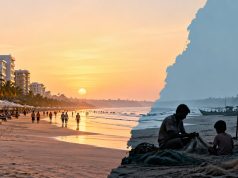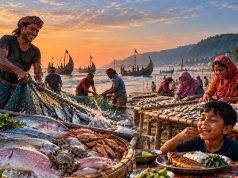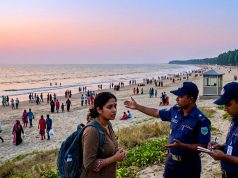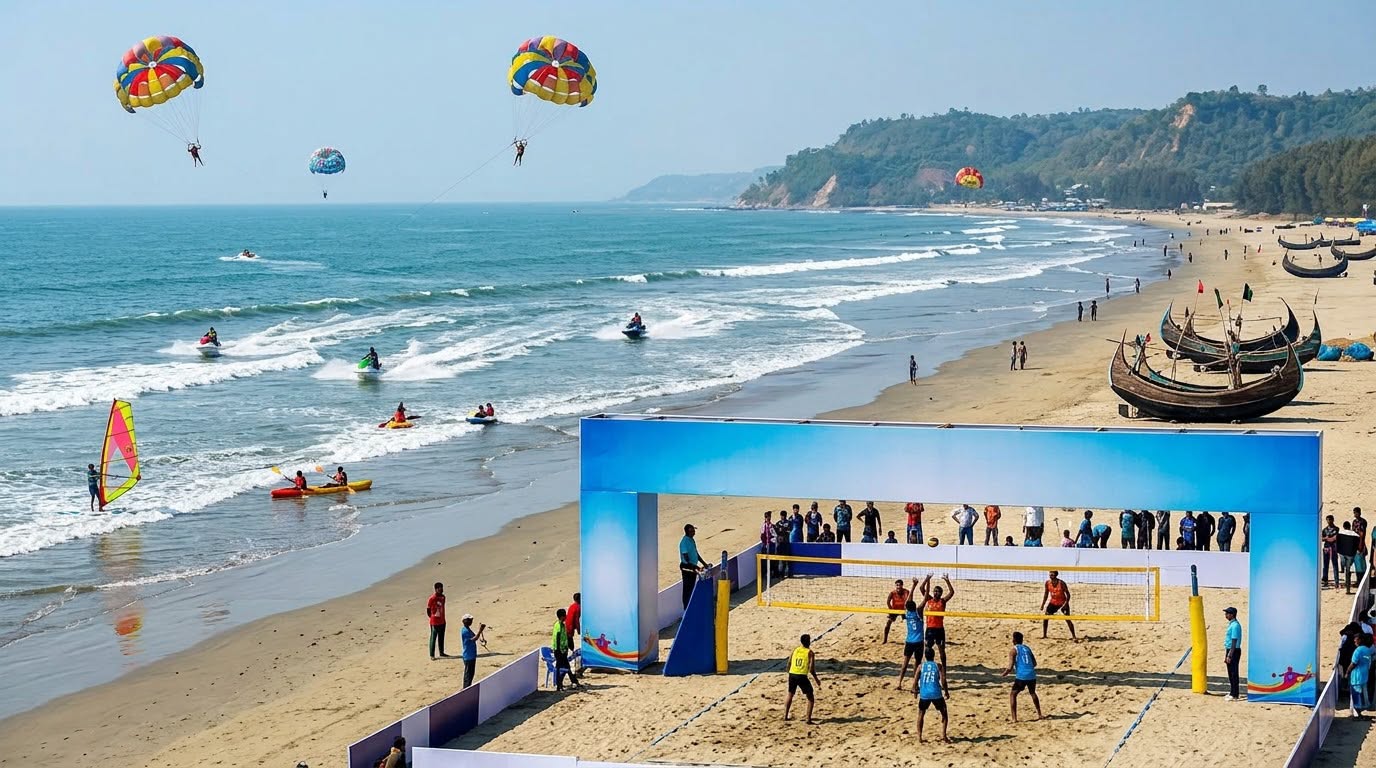
Cox’s Bazar, renowned for its 120-kilometre sandy coastline, has long sustained Bangladesh’s coastal economy through fisheries, dried-fish processing, salt production and tourism. Yet the sea offers opportunities beyond these established industries. Sports tourism could bring fresh investment, create jobs and open new possibilities for international visitors and local entrepreneurs alike.
Coastal destinations elsewhere have demonstrated its appeal. Bali draws surfers from around the world, Brazil’s Copacabana is associated with beach football and volleyball, while Australia’s Gold Coast is celebrated for surfing and water sports. Such activities diversify tourism, encourage longer stays and generate business beyond hotels and restaurants.
The economic potential is considerable. According to Grand View Research, the global sports tourism market was valued at approximately $803.9 billion in 2025 and was projected to reach $927.9 billion in 2026. These figures cover sports tourism as a whole, not beach sports alone, but they illustrate the growing importance of the sector.
Cox’s Bazar already has a surfing community on which to build. Beach football, volleyball, handball, coastal marathons and other water sports could provide a calendar of domestic competitions and, eventually, international events. Training camps and championships could attract visitors outside the usual holiday periods, helping businesses overcome the sharp fluctuations of a seasonal tourism economy.
That ambition must be matched by responsible management. A fatal parasailing accident in Cox’s Bazar in August 2026 underscored the importance of effective safety standards and public oversight. Licensed operators, trained personnel, dependable rescue services and regular inspections are essential. These safeguards should enable the industry to grow with confidence, rather than hold it back.
The government should develop a dedicated Sports Tourism Master Plan in partnership with sporting federations, tourism businesses, environmental experts and local communities. It should identify suitable sporting zones, improve infrastructure, establish a year-round events calendar and encourage responsible public and private investment. Protecting the coastline and its biodiversity must remain central to that effort.
Local people must also share in the benefits. Training young residents as coaches, guides and event organisers would create career paths, while small businesses, transport operators and equipment suppliers could gain new customers and opportunities.
Cox’s Bazar need not remain solely a destination for seaside holidays. With careful investment, sensible regulation, environmental protection and meaningful local participation, it could become a recognised centre for international sports tourism, opening a new chapter in the district’s blue economy.
By Salam Abu
Editor