
A severe fuel shortage has brought fishing and tourism activities in coastal Cox’s Bazar to a near standstill. Hundreds of trawlers remain unable to venture into the sea due to a lack of diesel, leaving thousands of fishermen without income and disrupting the local economy.
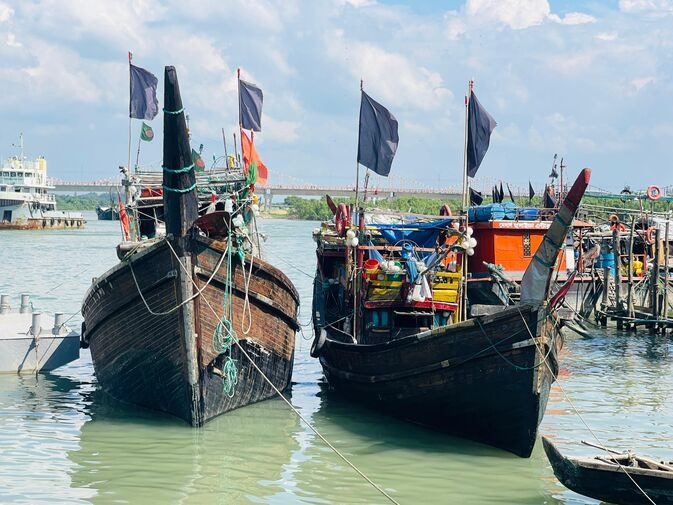
Fisherman Mohammad Hakim said around 500 fishing families are now sitting idle with their trawlers anchored at the No. 6 ghat. “The livelihood of nearly 5,000 people depends on the income of these fishermen. But for the last five days, we have been unable to go to sea due to the diesel shortage. Even the trawler owners are unable to provide any financial support. We are struggling to survive,” he said.
Trawler owners and fish traders alleged that most fuel stations in the district have remained closed due to fuel shortages, leaving coastal areas without an adequate supply of fuel. As a result, fishing boats, trawlers, and transport vehicles across highways and local roads have all been affected.
The crisis has also impacted tourism, as vehicles transporting visitors are facing fuel shortages. With fewer fishing trips, the supply of marine fish has dropped significantly, making it difficult for businesses to meet tourist demand. Irrigation pumps have also been affected, leaving farmers struggling to maintain crop production.
In areas such as Majhirghat on the Bakkhali River and the No. 6 jetty, hundreds of idle trawlers are visible due to the fuel shortage. Most floating fuel stations along the coast have run out of diesel and stopped operations, with some remaining completely closed for several days.
The halt in fishing activities has reduced fish supply in local markets, pushing prices beyond the reach of many consumers. Meanwhile, tourism-related businesses said that more than 500 hotels and motels are unable to run generators due to the fuel shortage, causing inconvenience for visitors.
Restaurant owners reported a lack of marine fish, while transport operators said fuel scarcity has limited their services, leaving the tourism sector and local businesses in a difficult situation.
By Mohammad Morshed
Photo: Mohammad Morshed