
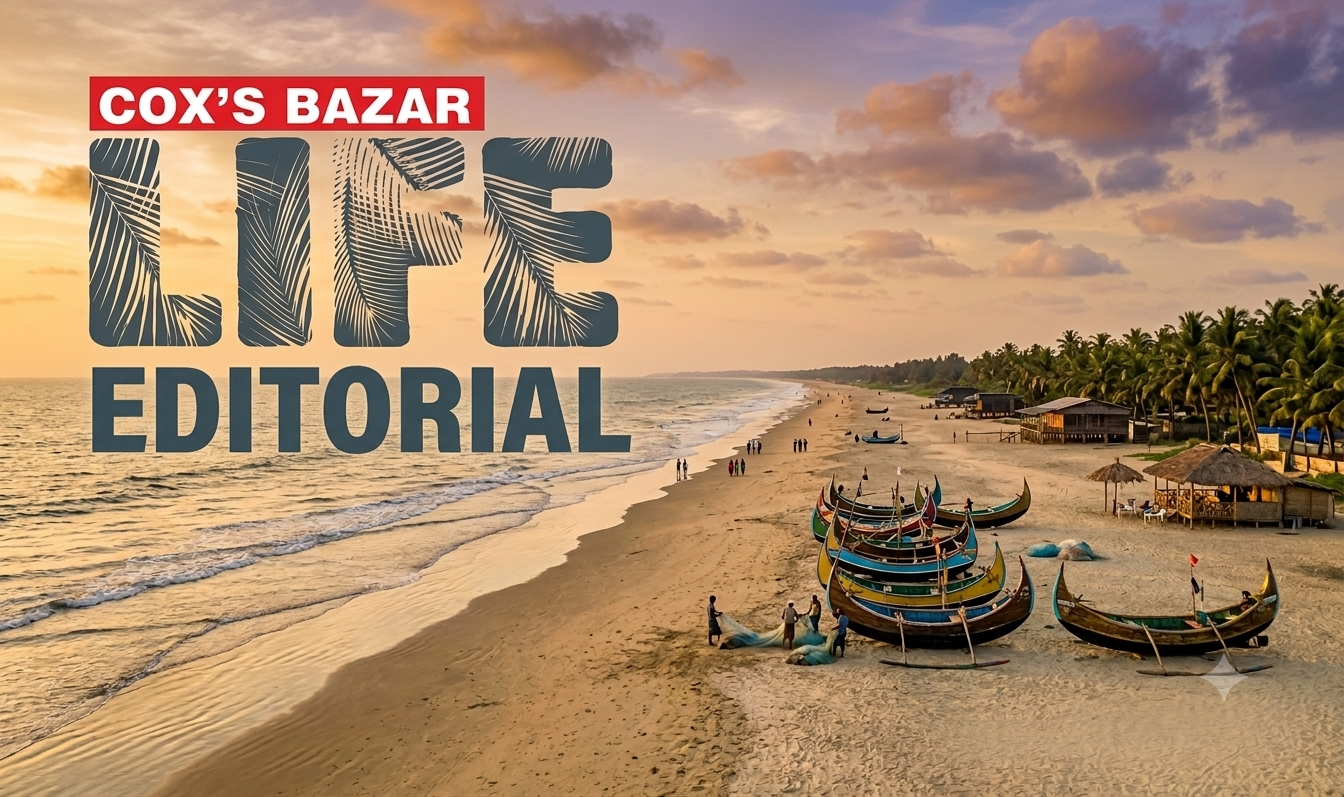
Should Cox’s Bazar’s tourism identity remain limited to sea, beach, and hotels? Or can it also cultivate a distinct urban culture? A modern tourism city does not attract visitors through natural beauty alone. Where people sit, what they eat, listen to, and experience at leisure shapes a city’s character. A strong café culture is a simple, effective part of tourism development.
A café is more than coffee. Tea, snacks, local food, books, music, art, or time with friends can turn it into a small cultural space. A café needs less investment than a large restaurant or resort. This opens doors for young entrepreneurs. Easier licensing, training, and microcredit help. An attractive café in an underused area can increase foot traffic, spark nearby businesses and creative spaces—a catalyst for the area.
This shift is not new. Two decades ago, Mermaid Café introduced a different approach to nature, aesthetics, and hospitality. Later, Krave Inani offered a distinct experience with sea views and fresh ingredients; Salt Bistro & Cafe and Sugar Boulangerie & Patisserie brought new flavours; Allegro Art Café & Gallery turned coffee into a cultural space by integrating art. These ventures show the visitor experience is no longer limited to beach views and hotel stays.
Tourism planning should treat café culture as part of destination development, not just private business. Marine Drive and beachfront areas could facilitate small, eco-friendly cafés and open-air seating. Linking these spaces with local art, folk music, books, and paintings is possible. Clear guidelines on waste and noise would reduce pressure on the environment and communities.
To be sustainable and inclusive, cafés must not cater only to tourists. Local people should feel welcome to visit, sit, and participate. Design, food, music, and atmosphere could reflect the folk heritage of Cox’s Bazar and Chattogram. Prices should remain accessible to young people and ordinary residents.
To make Cox’s Bazar a living tourism city, not just a beach, we need small places where people stop, sit, connect, and experience the city. That transformation may begin with a small café—around a cup of tea or coffee, bringing people together—and gradually reshape an entire area’s tourism character.
By Salam Abu
Editor