
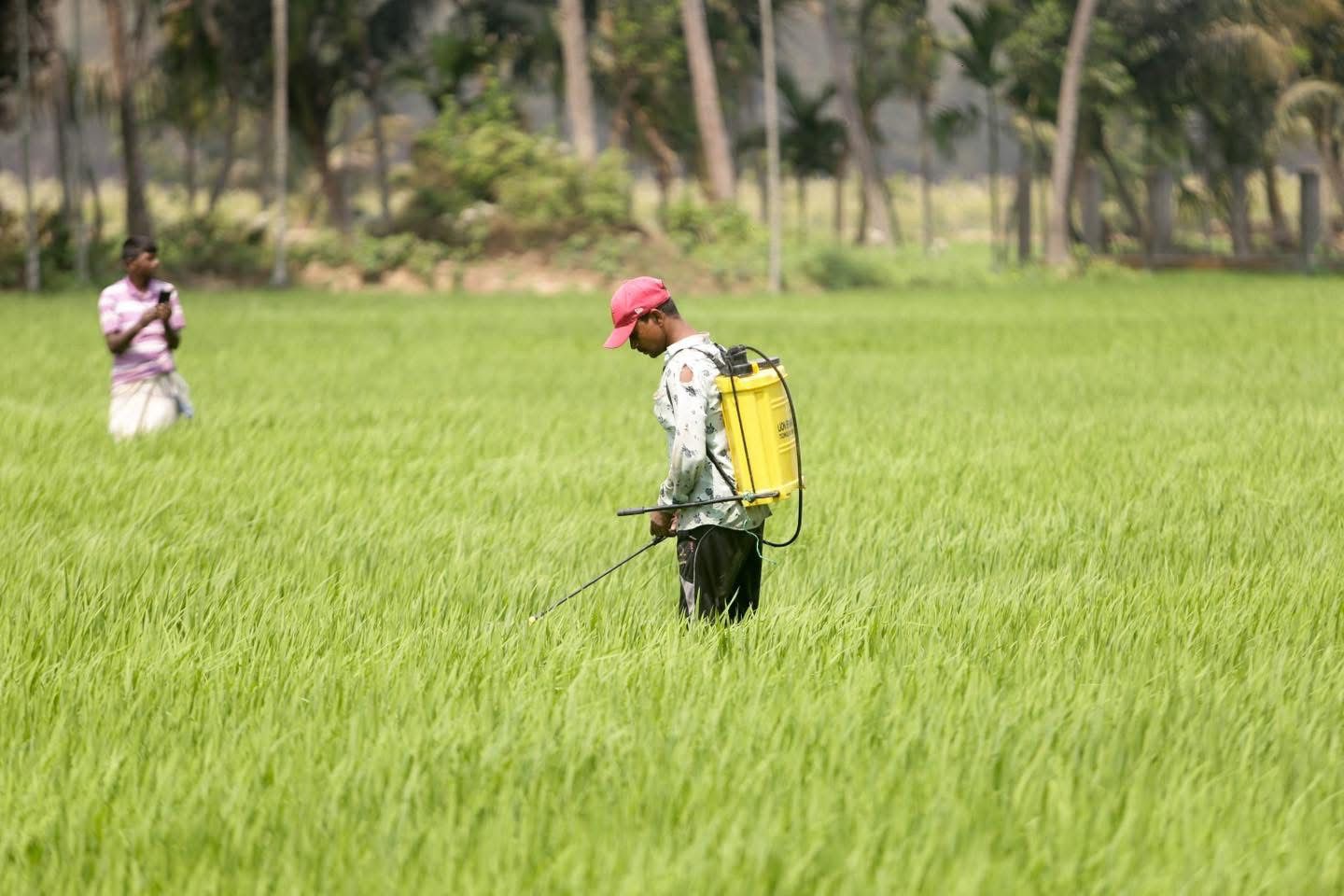
Boro paddy cultivation in Cox’s Bazar district is facing serious risk due to an acute fuel shortage. Thousands of irrigation pumps have stopped operating due to a shortage of diesel, disrupting water distribution in the fields. As a result, paddy on at least 25,000 hectares of land is at risk of drying up.
According to the district agriculture department, there are a total of 7,146 irrigation pumps across nine upazilas in Cox’s Bazar. Around 70 percent of these are diesel-powered.
However, due to the ongoing fuel crisis, more than 4,200 pumps are currently out of operation, severely affecting irrigation activities.
In the current season, Boro paddy has been cultivated on 55,700 hectares of land in the district, with a production target of 235,752 metric tons of rice. Officials fear that achieving this target may become uncertain if the situation persists.
Farmer Rahman Ali said that although he cultivated Boro paddy on three acres of land, he has been unable to run his irrigation pump properly for the past month due to a lack of diesel. He fears that most of his crops will suffer damage if the situation persists for another two weeks.
Deputy Director Dr Bimal Kumar Pramanik of the Department of Agricultural Extension in Cox’s Bazar said that the district has been experiencing a severe fuel shortage for the past month. Due to inadequate diesel supply, more than half of the irrigation pumps cannot be operated.
Stakeholders have called for urgent measures to ensure adequate diesel supply and uninterrupted electricity to protect agricultural production. Otherwise, farmers may incur substantial losses, and national food production could also face adverse effects.
By Mohammad Morshed
Photo: Hussain Shetu