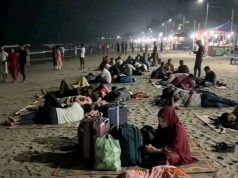

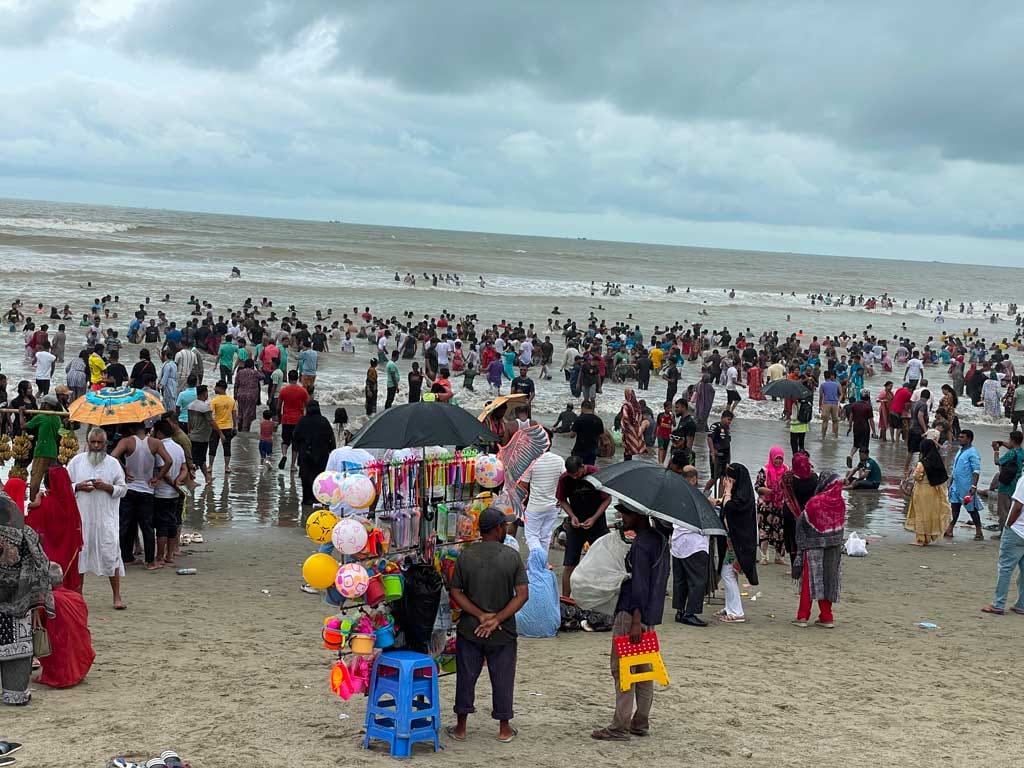
Tourists visiting the world’s longest natural sea beach at Cox’s Bazar increasingly struggle to enjoy the sea in peace because of persistent hawkers, poor cleanliness, inadequate lifeguards, security concerns, and high accommodation costs.
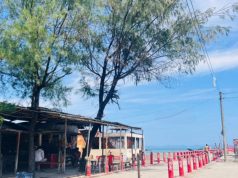
A visit to different beach points found hawkers repeatedly approaching visitors to sell goods. Tourists also complained about waste pollution, unplanned hotel development and inadequate facilities, while tourism stakeholders said poor management was undermining the destination’s appeal.
Palash Mahmud and his wife, Lupna Sugandha, from Bogura experienced the problem firsthand while sitting under a beach umbrella at Sugandha Point. A four-minute video recorded in front of them showed 27 hawkers approaching them one after another.
‘Every four or five seconds, hawkers come and ask us to buy different products. We come here mainly to enjoy ourselves, find peace of mind and appreciate the beauty of the sea. But the excessive presence of hawkers is disrupting that experience,’ Palash said.
He said he had seen 12–15 or more hawkers approaching visitors every minute during a night-time visit. The interruptions affected relaxation and cleanliness, and the beach environment has changed considerably since his 2006 visit.
Other tourists raised concerns about rubbish, hotel waste, polythene pollution, inadequate security and high expenses.
Tourist Robin Ahmed complained about insufficient lifeguards and the inconvenience caused by hawkers. Habibur Rahman said haphazard hotel development near the beach was allowing waste and polythene to reach the sea, threatening the marine environment.
Azizul Haque said affordable accommodation with a good environment was difficult to find, while lower-priced hotels often raised questions about their standards. Doctor Yahia Khan said frequent airfare changes made travel planning and budgeting difficult.
Shihabur Rahman said tourists travelling from distant places had limited opportunities to learn about local security arrangements beforehand and urged authorities to ensure safety. Jannatul Mawa, visiting with her family, complained about the dirty environment, persistent hawkers and the lack of changing rooms, adequate shade and shelter for women and children returning from the beach wet.
Beach management officials estimated that more than 1,000 hawkers operated around Laboni, Sugandha and Kalatoli points. District administration Beach Management Committee officials claimed most were outsiders and said the problem’s number and scale had increased since 2024.
Mahabub Alam, the supervisor of beach workers, stated that they made daily loudspeaker announcements to keep hawkers off the sandy areas at the three points. Drives were also conducted under executive magistrates, but controlling the situation remained difficult. He claimed that many Rohingya hawkers also sold goods there.
Local businesses said hawkers had increased several times since 2024, occupying sandy areas, roads, and beach access routes.
Jet ski operator Saddam said only 100–150 hawkers were local, claiming others were Rohingya or people from different districts. He also alleged that theft and snatching had increased and called for coordinated action by the district administration and Tourist Police.
Hawkers, however, said they sold goods to earn a living and wanted opportunities to make an honest income without becoming involved in crime. They called for designated selling areas, orderly business arrangements and alternative employment opportunities.
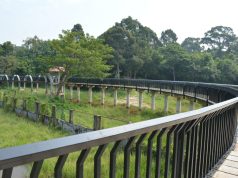
Tourism stakeholders proposed coordinated improvements in the three-kilometre area adjoining the beach, including traffic management, hawker regulation, cleanliness, walking spaces and visitor facilities.
Mohammad Yaqub Ali, general manager of Hotel Prasad Paradise, said most tourists spent their time in this area. Poor management of three-wheeled vehicles known as tomtoms, along with repeated approaches by hawkers and beggars, prevented visitors from enjoying their leisure time. He urged the administration to improve traffic management and control hawker activities, warning that the problems could discourage visitors.
Abu Taleb Shah, general manager of Hotel Cox Today, said modern, coordinated planning involving the district administration, local representatives and relevant authorities could make the area more attractive.
He proposed attractive walkways, green spaces, cleanliness, family-friendly facilities and shops arranged in designated locations under a uniform design. He said planned development, safety, and cleanliness could help make Cox’s Bazar an international-standard tourist destination.
The administration said it planned to improve tourism services, ensure accountability among hotels and motels, and strengthen coordination among relevant agencies.
Cox’s Bazar additional deputy commissioner Tasnim Jahan said the Cox’s Bazar Development Authority, municipality and district administration planned to work together to improve tourist facilities and bring hotels, motels and other establishments under more orderly management.
She said tourists frequently complained that the services they received did not match the money and time they spent visiting Cox’s Bazar. The administration wanted to ensure visitors had enjoyable experiences and received value for their expenditure.
Tasnim expressed hope that effective measures would improve tourism management, although implementation would take time. She also stressed the need for a dedicated tourism zone, improved transport links and adequate facilities to make Cox’s Bazar more modern and visitor-friendly.
By Tarekur Rahman
Photo: Tarekur Rahman