
Tourism stakeholders blame lack of promotion despite 900-hectare park’s wildlife attractions
Most tourists visiting Cox’s Bazar head for the beach, hotels and resorts, often overlooking Dulahazara Safari Park, the country’s first safari park, beside the Chattogram-Cox’s Bazar highway.
Spread across 900 hectares in Chakaria upazila, the park features tigers, lions and other wildlife, along with green forests, lakes and natural landscapes. Tourism stakeholders, however, say many visitors are unaware of its existence because of inadequate promotion.
They suggested advertising on billboards in Cox’s Bazar’s tourist areas and using digital platforms more extensively to attract visitors.
Acting park officer Mohammad Manjur Alam told Cox’s Bazar Life that the park’s location was a major reason tourists often bypassed it.
‘As the park is located along the Chattogram-Cox’s Bazar highway, tourists often travel straight to Cox’s Bazar town instead of stopping here. Many do not want to make a separate visit to the safari park,’ he said.
He said the park has its own website and Facebook page, and that information is also available through government channels. During the Durga Puja holiday, he added, between 1,000 and 1,500 visitors came to the park daily.
Kajol Sharma, a member of the Tour Operators Association of Cox’s Bazar, said digital platforms offered ample opportunities to promote the attraction.
‘Tourists simply do not know about the safari park in Cox’s Bazar. Advertisements on billboards in the town’s tourist areas could help make it a more attractive destination,’ he said.
Hotel businessman Faruk Hossain also said better publicity could attract more visitors.
From deer breeding centre to safari park
According to the Forest Department, Dulahazara Safari Park covers 900 hectares across the Dulahazara and Hargaza blocks in Chakaria. It is situated in Dulahazara Reserve Forest, east of the highway.
The park is about 110 kilometres south of Chattogram, 47 kilometres north of Cox’s Bazar town and 10 kilometres south of Chakaria upazila headquarters.
The forest once supported diverse vegetation, including garjan, bailam, telsur and chapalish trees, as well as elephants, deer, bears, monkeys, birds and reptiles. Population pressure, illegal hunting and wildlife trafficking subsequently threatened its biodiversity.
To conserve wildlife and improve habitats, the then Cox’s Bazar Forest Division established a deer breeding centre on 42.5 hectares in 1980-81.
Under a project implemented between July 1999 and June 2001, the facility was expanded, with plans to establish the country’s first safari park across 300 hectares. Dulahazara Safari Park began its journey in 2001.
Its area was subsequently expanded to 900 hectares through development projects, including a second phase implemented between July 2002 and June 2006.
A 10-year master plan was prepared with assistance from domestic and foreign consultants under a development and expansion project running from 2012 to 2017. The Ministry of Environment, Forest and Climate Change approved the plan on October 20, 2016.
The government later undertook the project ‘Development and Expansion of Dulahazara Safari Park, Cox’s Bazar (Second Phase, Second Revised)’, scheduled to run from July 2019 to June 2026.
Tigers, lions and migratory birds
According to the park’s website, its enclosures house 298 birds, 60 reptiles, and 167 mammals, including local and foreign species.
Spotted deer, barking deer, monkeys, jungle cats, fishing cats, wild boars, porcupines and various birds inhabit its open areas. Migratory birds of different species can also be seen around the water bodies during winter.
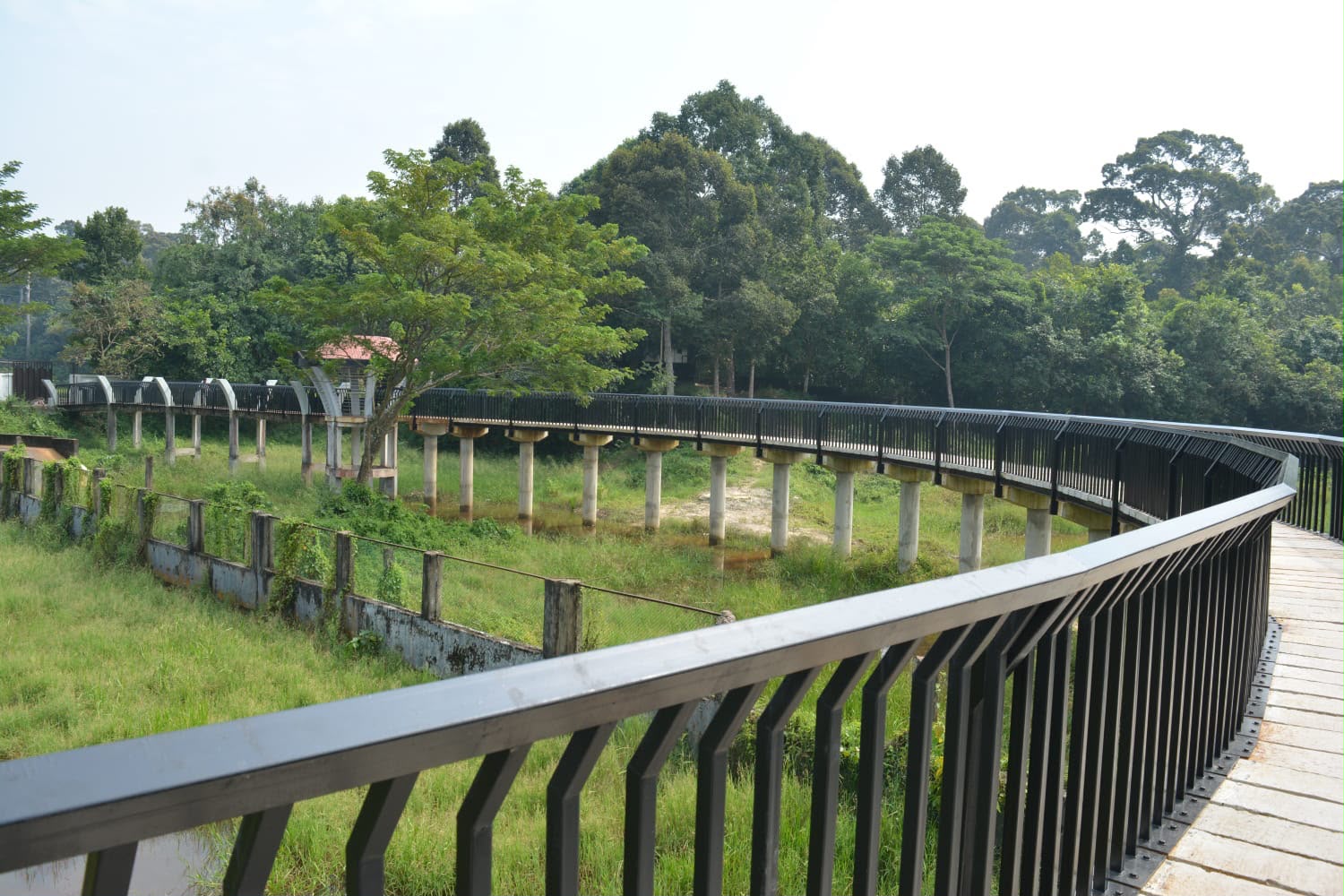
The tiger safari, lion safari and herbivore safari are among the main attractions. Other facilities include a lake, amphitheatre, boardwalk and opportunities to observe wildlife and explore the forest.
Visitor amenities include parking, a canteen, lockers, rest areas, picnic sheds, drinking water and public toilets.
Modernisation plans
The park’s development project aims to conserve wildlife and biodiversity, improve habitats for endangered species, raise awareness of wildlife conservation and support local livelihoods through environmentally friendly tourism.
Planned improvements include upgrading the entrance plaza, parking facilities, animal enclosures, and safari areas, as well as expanding breeding facilities for freshwater and saltwater crocodiles.
The project also aims to provide medical care for injured and rescued wildlife, establish fruit and animal-feed gardens, restore habitats and improve facilities for education, research and visitors.
How to get there
The park’s official website says it generally opens from 9:00 am to 5:00 pm daily except Tuesday, its weekly closing day. Hours may change due to government directives or holidays.
Visitors can travel by bus along the Chattogram-Cox’s Bazar highway and get off at Dulahazara. The entrance is about 350 yards east of the highway. Alternatively, they can take a local train from Chattogram to Dulahazara railway station and travel by e-bike for five to 10 minutes.
Entry fees, attractions and contact details are available at safariparkcoxsbazar.com.
Tourism stakeholders said including Dulahazara Safari Park in itineraries alongside Cox’s Bazar beach could diversify the district’s tourism offerings. They called for coordinated efforts by tour operators, hotel owners and transport providers, supported by better promotion, to attract more visitors.
By Abdu Rashid Manik
Photo: Courtesy