
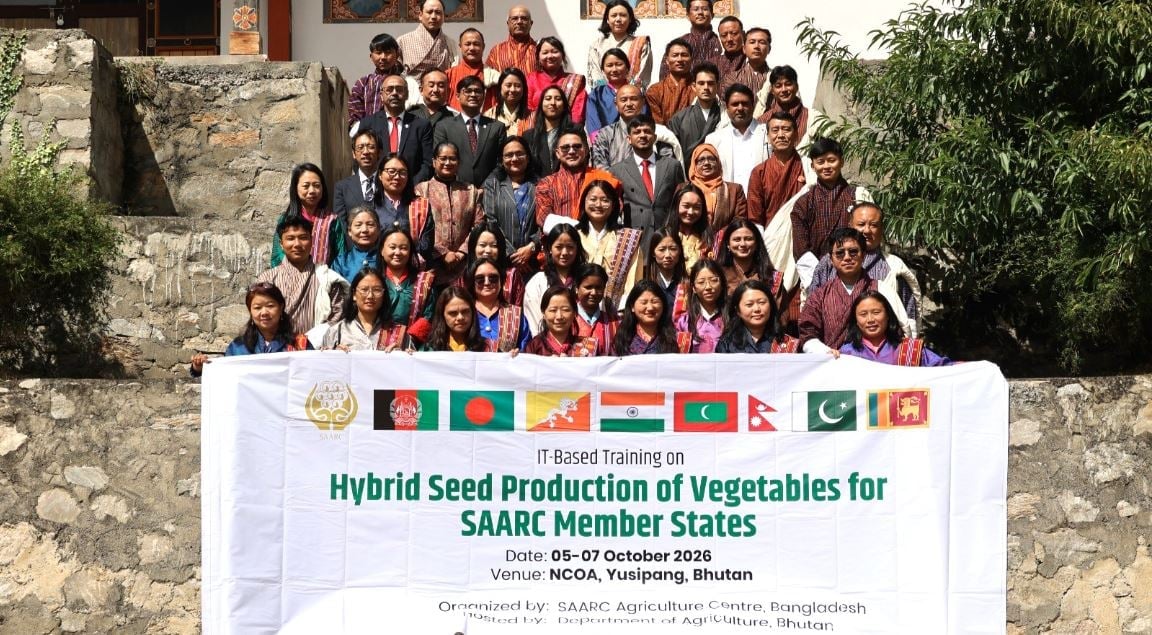
A three-day regional training of the South Asian Association for Regional Cooperation (SAARC) began today in Bhutan, aiming to enhance technical capacity of quality hybrid seed production among the SAARC member countries and reducing import dependency.
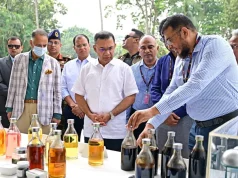
The training programme on production of vegetable hybrid seed for the SAARC member states began at the National Center for Organic Agriculture in Bhutan’s Yusipang town located approximately 13 kilometers (about 8 miles) northeast of Thimphu city.
With the assistance of SAARC Agriculture Center, Bhutan’s Agriculture and Livestock Ministry has organized the programme. The programme will end on October 7, said an official release received here today.
Minister of Agriculture and Livestock of Bhutan Younten Phuntsho inaugurated the programme. Director of SAARC secretariat Tanvir Ahmed Tarafder attended the function as the special guest.
Bangladesh Ambassador to Bhutan Maleka Parveen, first secretary of Indian Embassy in Bhutan Neha Yadav and director general for Foreign Affairs and External Trade of the Royal Government of Bhutan Lyonpo D. N. Dhungyel also attended the function.
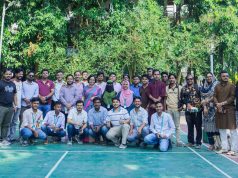
Along with the Bhutanese agriculture department officials, the programme was attended by experts and trainers of different SAARC member countries.
About 30 researchers directly attended the programme from Bhutan while representatives from Bangladesh, India, Nepal and Sri Lanka virtually joined the programme.
At the inaugural speech, the Bhutanese minister highlighted importance of plant breeding, hybrid force and quality seed management system.
The developed seed technology can play important role in combating climate change, pest and diseases vulnerability along with ensuring food and nutrition security, the minister told the function.
Bhutanese Agriculture and Livestock Minister said the benefit of investment for seed technology, research and human resources development should reach the farmers. He emphasized on enhancing the productivity of the farmers through streamline supply of quality seed, available technology and reliable seed.
Along with the technical session, practical exercise, laboratory and field demonstration and group education also have been included in the training programme.
Particularly, the training programme also has included on hybrid tomato and chilli seed production.
Mother plant management, emasculation, pollination, genetic purity of varieties, seed collection and storage, and quality control of seeds will be focused in the programme.
According to the organizers, if the regional capacity of hybrid seed production is enhanced, then the availability of quality seed would increase in the South Asian countries.
At the same time, local seed management system also will be strengthened through reducing import dependency.
Cox’s Bazar Life Desk/BSS