
Eid-ul-Azha is not only a festival of sacrifice but also a reflection of the emotional bond that often develops between people and the animals they care for throughout the year.
As the festival approaches, many sacrificial animals become almost like family members to their owners, making the moments before sacrifice deeply emotional.
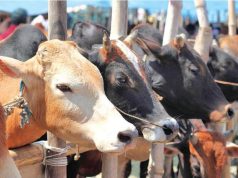
A visit to ‘Mayer Doa Agro Farm’ in Ward No 1 of Samiti Para in Cox’s Bazar town recently revealed such scenes of affection and attachment surrounding sacrificial cattle.
Visitors and farm workers warmly interacted with the animals, feeding, petting, and spending time beside them.
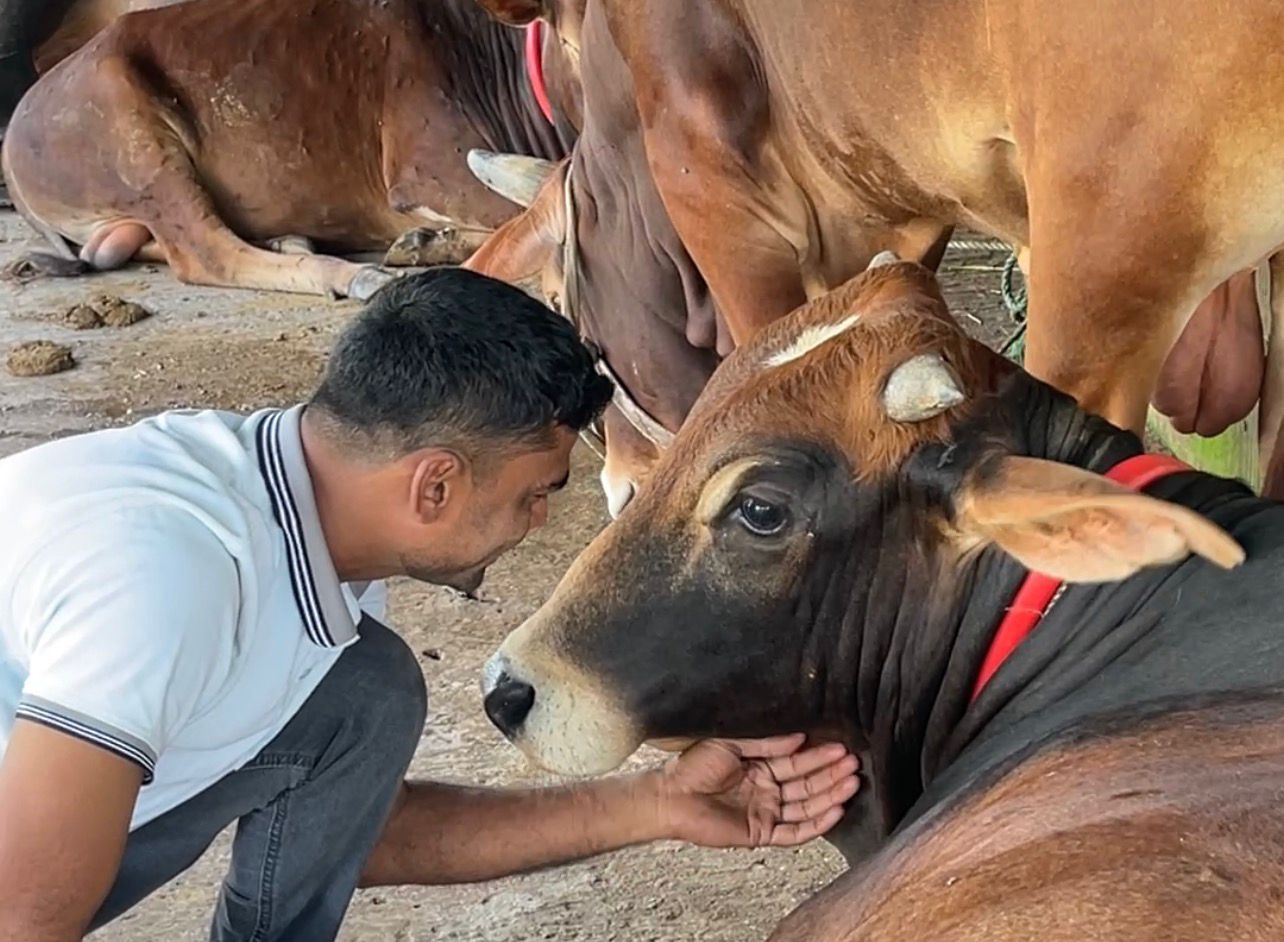
One particularly emotional moment unfolded between cameraman Rahim and one of the cattle at the farm.
As Rahim approached the animal, it repeatedly moved closer and gently pressed its head against him, appearing unusually affectionate and calm.
Rahim eventually wrapped his arms around the animal’s neck and stood silently beside it for a few moments.
Speaking emotionally, he said that the animal seemed to pull him close in its own way the moment he approached.
“It felt as if the animal somehow understood that it would soon be sacrificed. The tenderness in its eyes truly touched my heart,” he said.
People associated with the farm said the animals were not raised merely for business purposes, but cared for almost like children.
They say the daily routine of feeding, bathing, and providing medical care gradually creates an invisible emotional connection between humans and animals.
As Eid-ul-Azha draws nearer, they added, feelings of sadness often accompany the joy and religious significance of the occasion.
In Islam, sacrifice symbolises devotion and selflessness, but for many people, the emotional weight of the festival is also reflected in the quiet bond shared between humans and the animals they nurture with affection throughout the year.
By Mohammad Morshed
Photo: Mohammad Morshed