
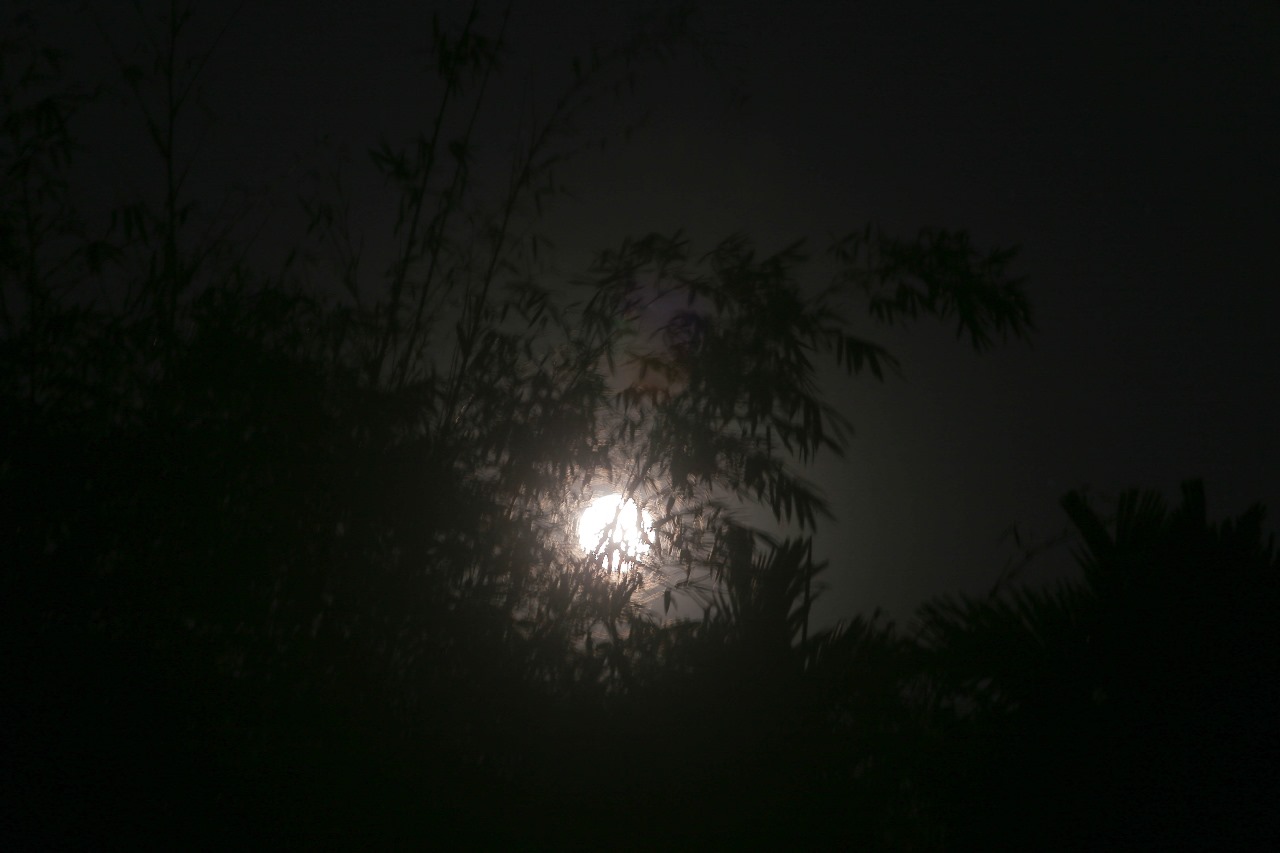
The Winter Solstice, which occurs on December 21 and will fall on December 22, causes the Northern Hemisphere to experience the longest night of the year. This happens when the Sun reaches its southernmost point in the sky, impacting the length of day and night and seasonal transitions.
While the Southern Hemisphere is currently experiencing summer, with the Sun shining more directly overhead, the Northern Hemisphere finds itself tilted away from the Sun. As a result, daylight hours are significantly shorter, making this night the longest of the year.
The counterpart to this event occurs on June 21, during the Summer Solstice, when the Northern Hemisphere enjoys its longest day and shortest night. The Winter Solstice signals the start of winter in the Northern Hemisphere, with shorter days and extended nights.
This natural event is pivotal in the Earth’s seasonal cycle, influencing weather patterns and human activities. On December 21, while the Southern Hemisphere experiences its longest day, the Northern Hemisphere embraces its longest night—a cosmic reminder of the Earth’s intricate dance around the Sun.
By Rajin Saleh
Photo: Hussain Shetu