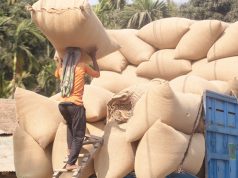

This year, Ukhiya-Teknaf in Cox’s Bazar has seen a bumper harvest of betel nuts, with the arrival of the monsoon transforming the region into a bustling seasonal economy centered around the cultivation of wet betel nuts.
Hafiz Mia, a betel nut trader from Sonar Para village, shared that the demand for wet betel nuts has surged significantly. Currently, a “pon” (80 pieces) of wet betel nuts is selling for up to Tk 1,000.
“These betel nuts are not only tasty but also fetch a good price, especially during the rainy season when demand peaks,” he said.
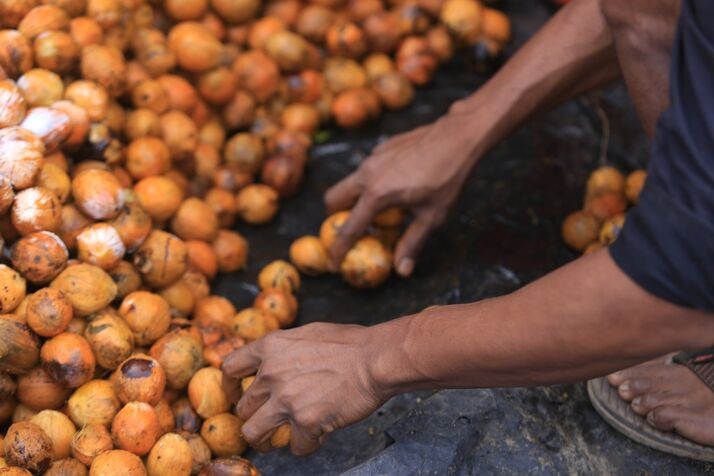
Betel nuts are typically marketed in three forms: green (raw), dry, and wet. For dry betel nuts, raw nuts are sun-dried, peeled, and then sold, fetching prices between Tk 400–500 per kilogram, according to Rashid Alam, a betel nut trader in Teknaf.
However, “wet betel nuts” are considered the most profitable. In this method, harvested betel nuts are soaked in water for 3–4 months before being sold in the market, where they are known locally as “bheja supari.” This process changes the taste and color of the betel nuts, making them popular among many consumers.
“Wet betel nuts are always in demand, particularly during the monsoon, which is why traders become highly active in the market this season,” Rashid Alam noted, adding that betel nut trading occurs across hundreds of local markets in Cox’s Bazar during the season.
From backyard plantations to hillside farms, betel nut cultivation is widespread in the Ukhiya and Teknaf regions, playing a vital role in the rural economy. Hundreds of families in these areas depend on betel nut sales for their livelihood.
With government support and proper market management, there is potential to export betel nuts from the region, further enriching the local economy through the commercial potential of this seasonal crop.
By Abdu Rashid Manik
Photo: Hussain Shetu