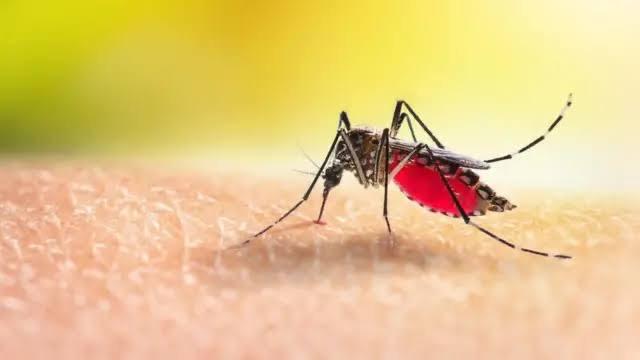
Cox’s Bazar is witnessing a concerning surge in mosquito-borne diseases, with both malaria and dengue cases on the rise, posing a serious public health challenge for residents and refugees alike.
According to data from the Cox’s Bazar Civil Surgeon’s Office, 140 people have been diagnosed with malaria in June alone—89 of them Bangladeshis and 51 Rohingya refugees. Tragically, five Rohingya patients have already died from the disease.
Experts say many of the malaria patients recently returned from hilly regions where the Anopheles mosquito—known for transmitting malaria—is prevalent.
Dr. Shantanu Ghosh of Cox’s Bazar Sadar Hospital noted, “During the monsoon, mosquitoes from the hills move to lower-lying areas, increasing the risk of infection. There’s no shortage of medication, but public awareness is now the most urgent need.”
On the dengue front, the situation is equally alarming. Since the beginning of 2025, the district has recorded 2,124 dengue cases, including 2,004 among Rohingya refugees. In the last 15 days alone, 564 new cases were detected.
Civil Surgeon Dr. Mohammadul Haque noted, “Rohingya patients often delay seeking treatment, which leads to more severe complications.”
Official figures show that five malaria deaths occurred in 2024, up from one in 2023. In 2023 alone, Cox’s Bazar reported 21,454 dengue cases, resulting in seven fatalities.
With over 1.2 million Rohingya refugees living in camps and the constant influx of tourists, controlling the spread of mosquito-borne diseases in Cox’s Bazar hinges critically on public awareness and proactive prevention efforts.
By Mohammad Morshed
Photo: Courtesy