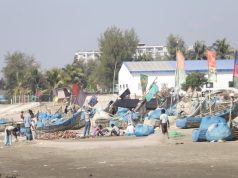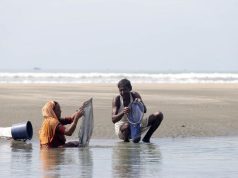

In the coastal villages of Cox’s Bazar, remnants of age-old fishing traditions still survive.
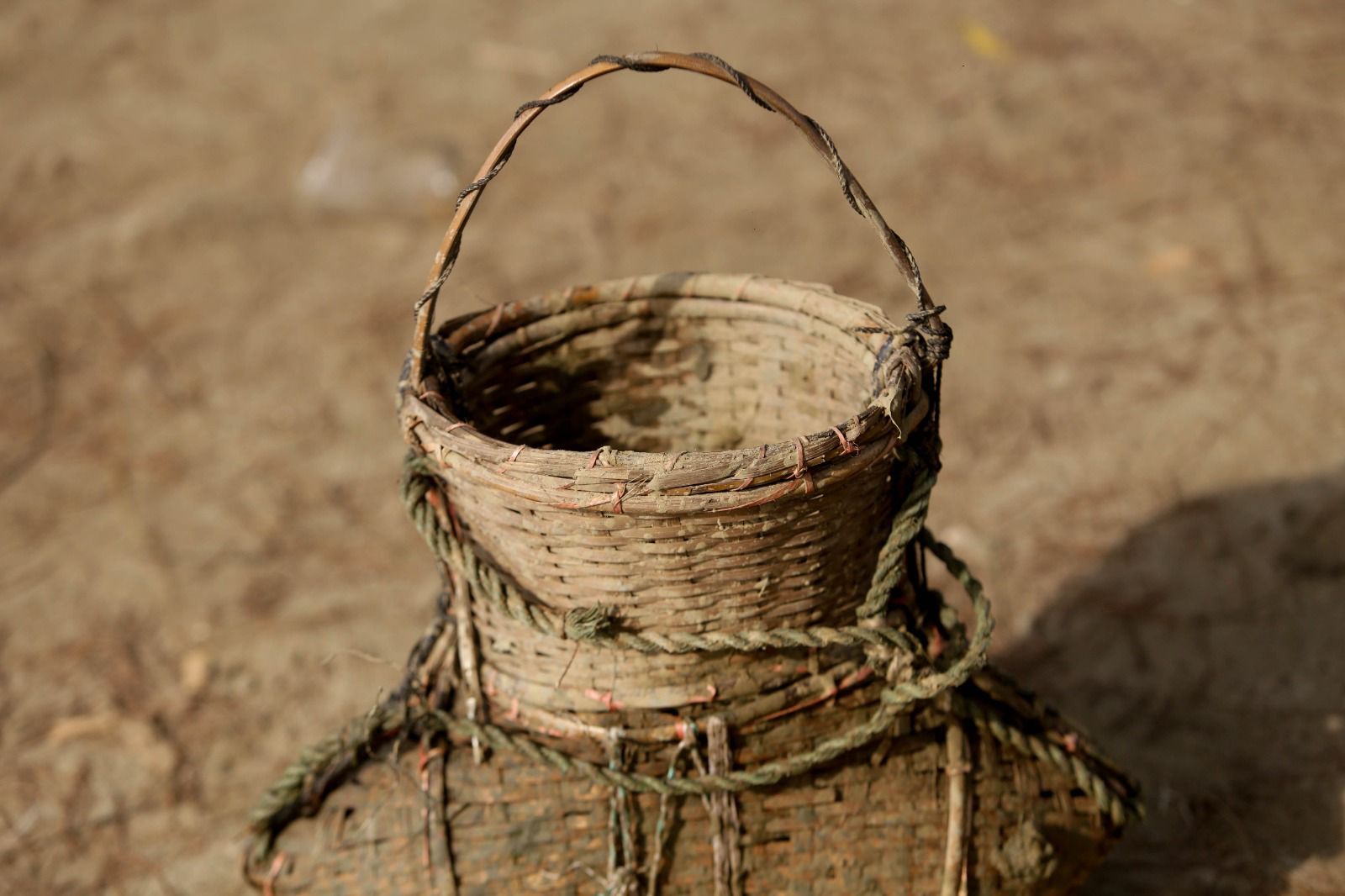
Despite the dominance of modern nets, many local fishermen continue to rely on the handcrafted bamboo and cane fish traps known locally as “Dala Fand” or “Bash’er Jhapi.”
Crafting these traps requires both skill and patience. Local artisans cut and dry bamboo or cane before weaving them with precision to form the trap’s unique structure.
Once placed in rivers, canals, or wetlands with bait inside, fish swim in—but the clever design makes it nearly impossible for them to escape.
Elderly fishermen of the coast recall, “This was once our primary fishing tool. Even though nets have now taken over, the absence of the dala or jhapi makes fishing feel incomplete.”
More than just a fishing device, this bamboo trap embodies rural heritage and symbolises the harmonious bond between humans and nature.
Even today, in the early dawns of villages across Pekua, Moheshkhali, and Ukhiya, one can still spot fishermen heading toward the riverbanks—bamboo traps on their shoulders—keeping a fading tradition alive.
By Mohammad Morshed
Photo: Hussain Shetu