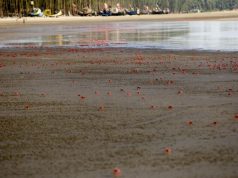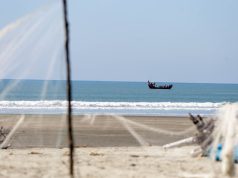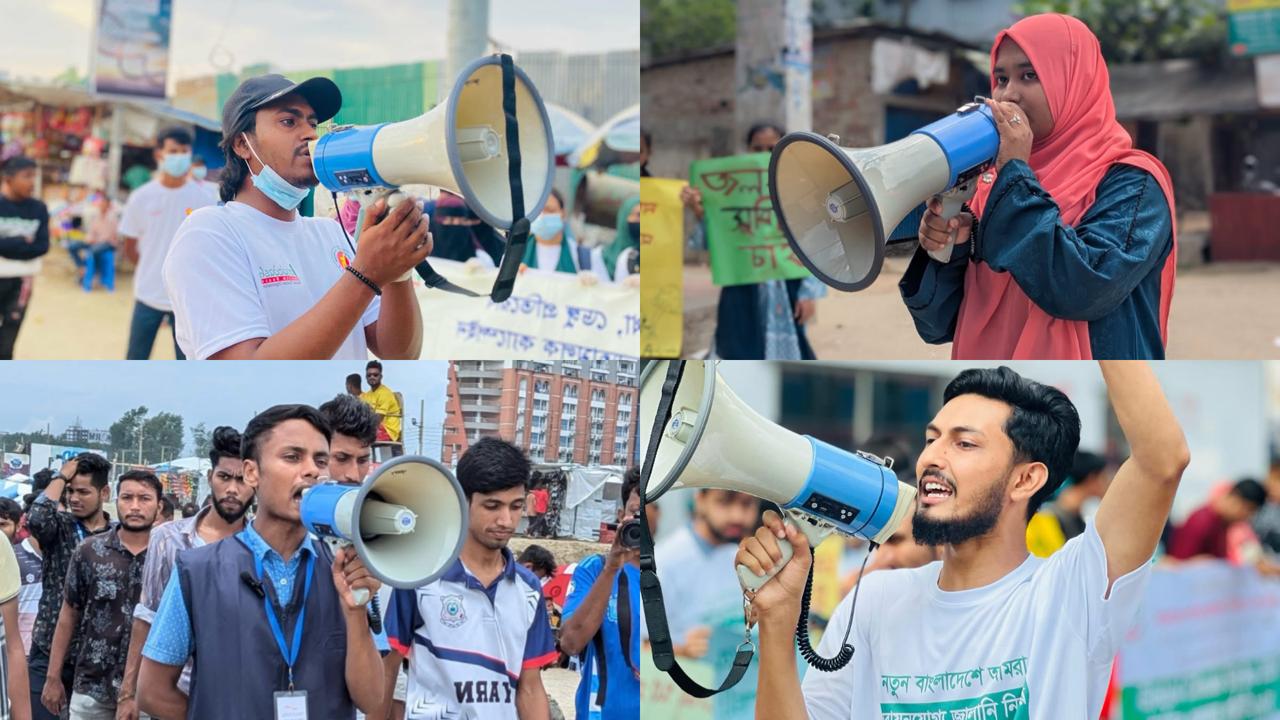
In the climate-vulnerable coastal district of Cox’s Bazar, four young activists are emerging as key voices in addressing the real-life impacts of climate change through community-based initiatives, youth mobilisation, and resilience-building programmes.
Their work reflects how climate change is no longer a distant environmental concern, but a daily reality affecting livelihoods, displacement, education, and access to basic services in coastal Bangladesh.
Abul Hasnat Rabbi: Building Community Climate Resilience
Youth climate activist Abul Hasnat Rabbi has been working closely with coastal communities in Cox’s Bazar to strengthen local climate awareness and resilience.
His initiatives focus on participatory training programmes, including community risk assessment, early warning systems, evacuation planning, and nature-based adaptation strategies.
Through programmes such as the “Community Climate Toolbox,” he has helped train more than 150 young people, emphasising that local communities must remain at the centre of climate decision-making and response mechanisms.
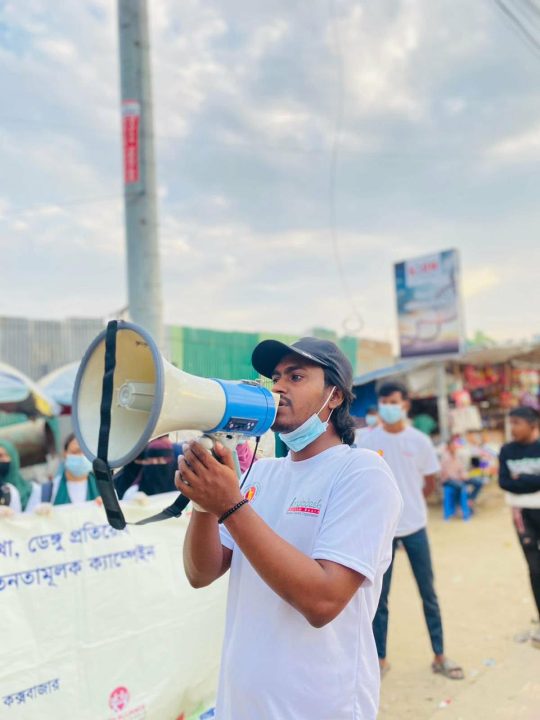
Shahrukh Karim: Mobilising Youth for Climate Justice
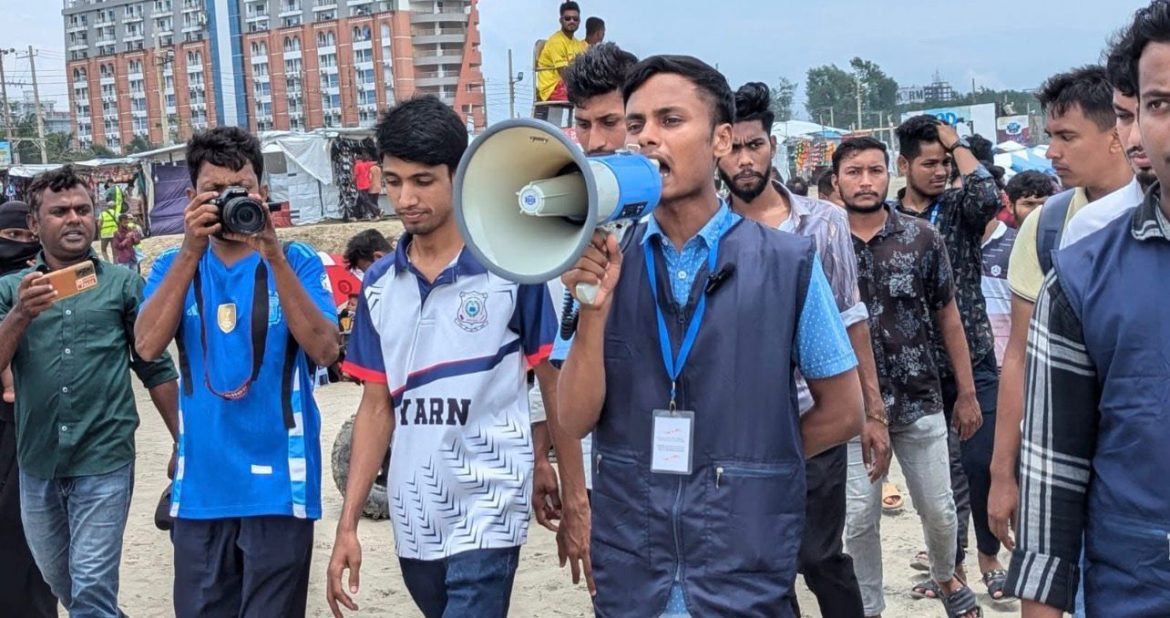
Founder of JYDA Bangladesh, Shahrukh Karim, has been actively promoting youth engagement in climate justice, renewable energy advocacy, and community resilience initiatives.
Since 2019, he has led youth-driven campaigns in Cox’s Bazar and Dhaka, promoting the idea that young people are not only among those most affected by climate change, but must also play a central role in shaping solutions.
Under his leadership, JYDA Bangladesh has expanded its activities to include awareness campaigns, training programs, volunteer initiatives, and large-scale youth mobilisations, such as climate strikes.
Jahanara Sultana Akhi: Empowering Women and Youth in Climate Action
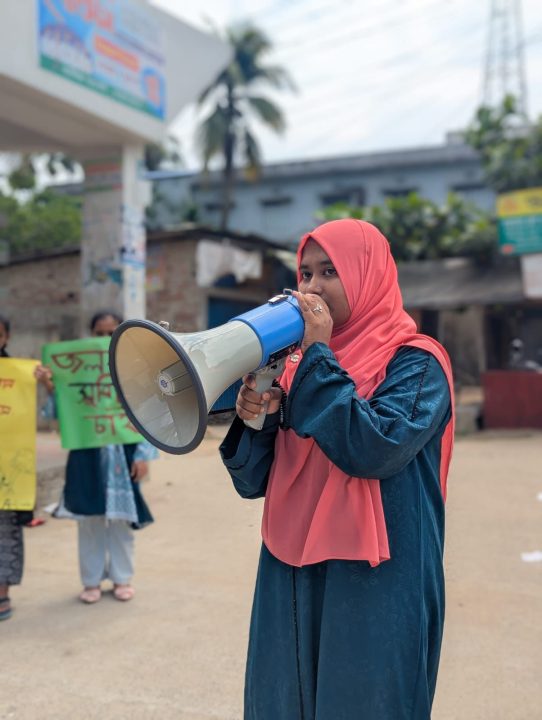
Jahanara Sultana Akhi, programme coordinator at JYDA Bangladesh, works on youth engagement, volunteerism, and community-based climate resilience initiatives.
Her work focuses particularly on ensuring the inclusive participation of young women in climate action and local decision-making processes.
She has contributed to organising awareness campaigns, youth consultations, and major events, including the Global Climate Strike 2026 in Cox’s Bazar.
Fahim Tajnowhat: Education and Resilience for Vulnerable Communities
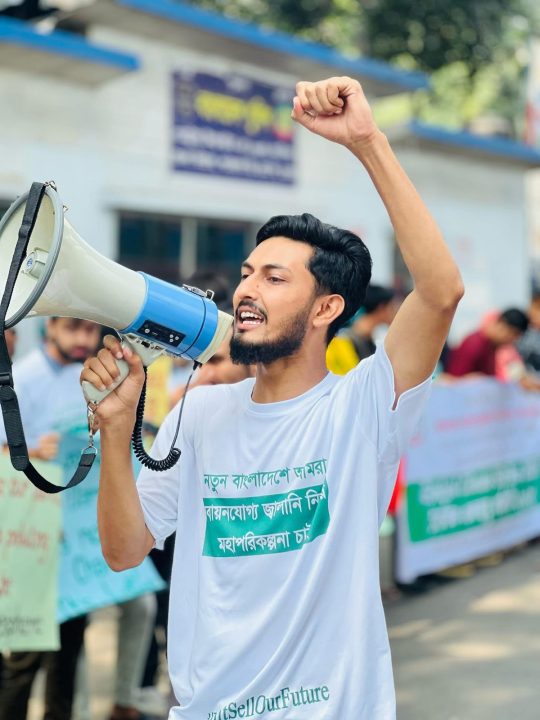
Youth advocate Fahim Tajnowhat works on climate resilience and social development among vulnerable coastal communities.
At Nazirartek, he co-founded the MAGIC Initiative and established the MAGIC Board School to provide educational opportunities for children from displaced and marginalised families.
The long-term impacts of climate-related displacement and environmental stress, such as cyclones, heatwaves, and coastal erosion in Cox’s Bazar, shape his work.
He has also contributed to international youth policy discussions through involvement in global youth advisory platforms.
Growing Youth-Led Climate Movement
Together, the four activists represent a growing youth-led climate movement in Bangladesh, combining education, disaster preparedness, community engagement, and advocacy to address the challenges facing vulnerable coastal populations.
They emphasise that climate change is deeply linked to poverty, displacement, gender inequality, and human rights and argue that effective solutions must come from communities directly affected by climate risks.
As climate vulnerabilities continue to intensify in coastal regions, their work reflects a broader call for greater youth inclusion in climate policy and local decision-making processes across Bangladesh.
By Mohammad Morshed
Photo: Collected