
Cox’s Bazar’s fishing grounds are currently abundant with hilsa, with trawlers returning from the deep sea loaded with fish. Large hilsa are being auctioned at the bustling fishing landing centres, particularly at Nuniachhara Fishery Ghat.
But the scene will change from Wednesday night as a 22-day government ban on fishing begins at midnight to protect spawning hilsa.
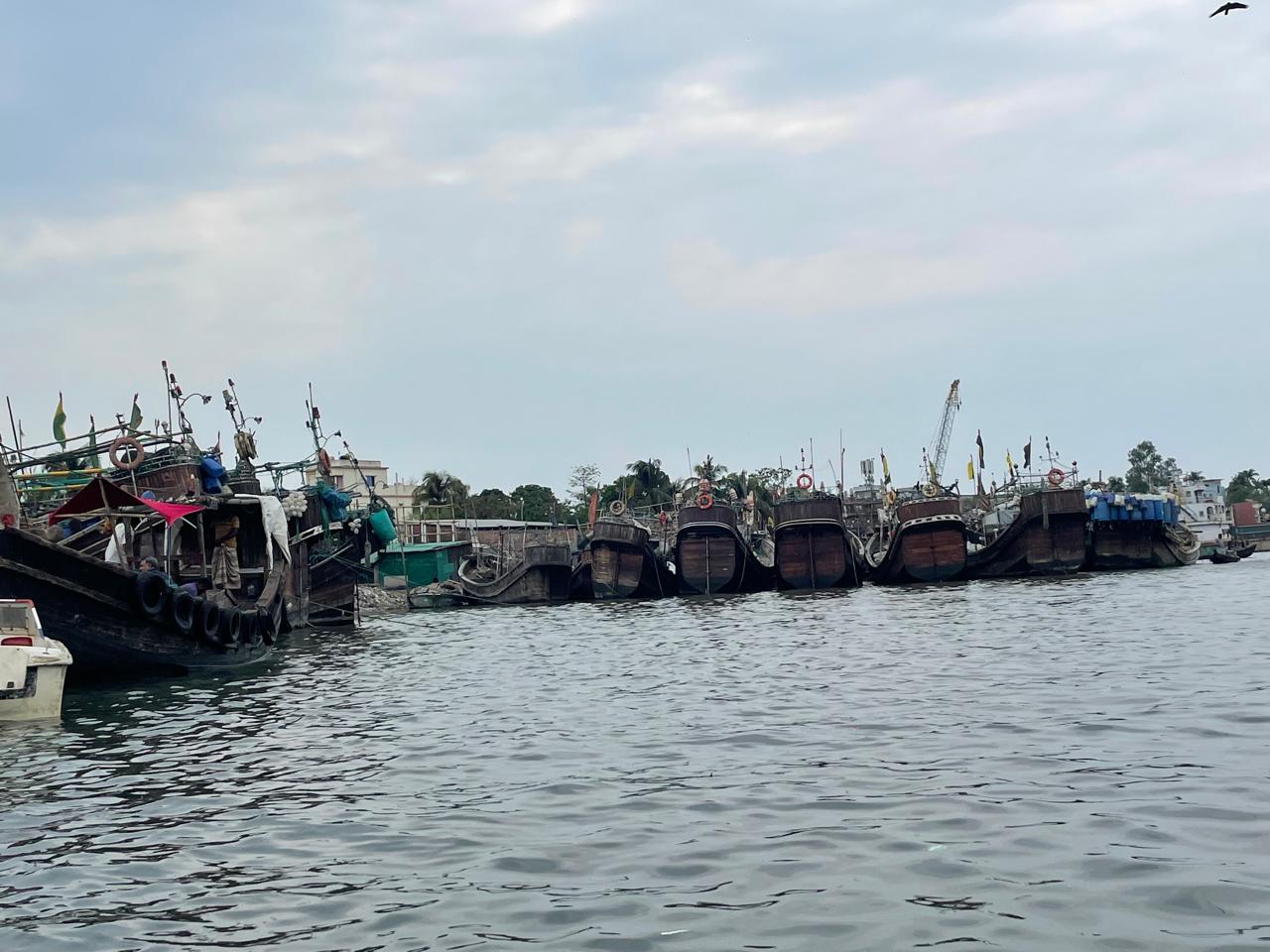
All kinds of fishing, including hilsa, will remain prohibited in the sea and rivers until October 29. Fishing trawlers have already started returning to and anchoring at the district’s fish landing centres, coastal ghats and nearby areas ahead of the ban.
At Nuniachhara, workers were busy unloading the last catches brought back from the sea. While fishers were pleased with the good catches, concern over how they would manage their families during the long fishing break was also visible.
Just before the ban, a trawler named FB Sohel returned with around 2,400 large hilsa fish. The fish were sold at auction for around Tk44 lakh, boosting trading activity at the landing centre.
However, for fishers, the busy days will soon give way to uncertainty.
“I am getting fish in the sea now, but after tonight I will not be able to go fishing. My biggest concern is how I will run my family for 22 days,” coastal fisher Abdur Rahim said.
We have income only if we can go to sea every day. We need to buy rice and lentils and meet our children’s expenses. Even if we receive some assistance during the ban, it is difficult to meet all household expenses,” he said.
Thousands of fishers along the Cox’s Bazar coast face similar concerns. Some fish with their own boats while others work as crew members on trawlers. When fishing stops, the loss of income also affects landing-centre workers, fish transporters, ice-factory workers and others involved in the fish trade.
The ban is a difficult period for fishers, but it is also considered important for future fish production as it coincides with the crucial spawning period of hilsa.
During the 22 days, mother hilsa get an opportunity to spawn without disturbance. The new fish born from the eggs are expected to contribute to increased production in the sea and rivers in the future.
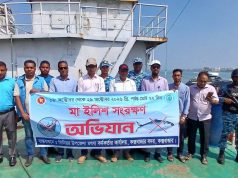
The fisheries department said there was no alternative to the ban during the spawning season to increase hilsa production. It said the fisheries department intensified awareness activities and surveillance in coastal and sea areas to ensure compliance.
Cox’s Bazar district fisheries officer Md Nazmul Huda told Cox’s Bazar Life that the fishing ban would begin at midnight on Wednesday and continue until October 29. During the period, catching, transporting, storing and selling hilsa would remain prohibited.
He said 27,146 registered hilsa fishers in Cox’s Bazar district would receive 25kg of rice each as government assistance during the ban.
Fishers, however, said they needed effective assistance sufficient to support their families throughout the ban, as they had very limited alternative sources of income when they could not go to sea.
Thousands of workers involved in fish processing, net repair, ice production and drying fish have also been left outside the incentive programme, according to people involved in the sector.
Mohsena Begum, who works in fish processing at Nazirartek, said thousands of men and women like her depended on fish-drying yards and other fisheries-related work.
“We also become unemployed when the ban begins. We work on a daily wage, and our wages stop when the work is suspended. How will we run our families then?” she said.
Meanwhile, fishing trawlers returning from the sea are continuing to anchor at the landing centres ahead of the ban.
The auction calls and the sight of fresh hilsa will disappear from the landing centres after midnight. Trawlers will remain anchored, fishing nets will dry on the shore, and families across the coast will wait for the ban to end, for fishers to return to sea, and for them to resume their livelihoods.
Cox’s Bazar Life Report
Photo: Abdu Rashid Manik